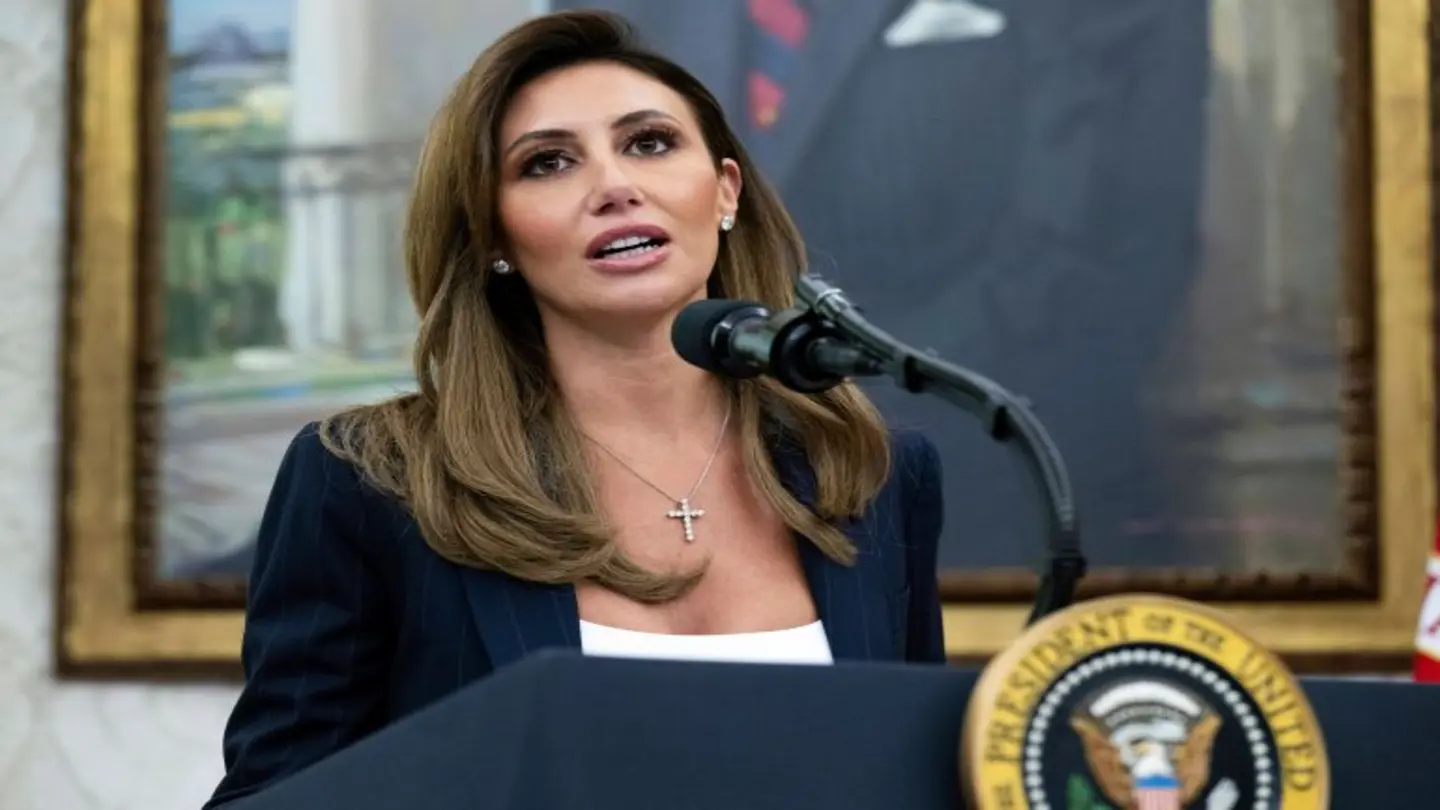
Former President Donald Trump is set to deliver a national address, previewing key themes that frame his administration’s legacy and current political stance. In remarks ahead of the speech, he signaled a message centered on the claim that “we inherited a mess,” a familiar refrain from his prior term and subsequent public appearances. The preview sets the stage for a broader narrative about governance, economic stewardship, and national direction intended to resonate with his base and contrast with the incumbent leadership.
Trump’s address is expected to touch on several areas of policy and rhetoric that defined his tenure: trade, immigration, and America’s role on the world stage. Sources close to his team suggest he will reiterate accomplishments from his term and outline contrasts with the current administration’s approach. The framing as inheriting a “mess” echoes language from his 2016 campaign and presidency, aimed at portraying himself as a disruptor who took on established systems.
The format and venue of the speech carry weight in how the message is received. Previous major addresses have mobilized supporters and drawn sharp reactions from critics, highlighting polarization in the U.S. political landscape. Given current geopolitical and domestic challenges, analysts expect his remarks to emphasize sovereignty, economic protectionism, and a critique of multilateral engagement favored by recent administrations.
Media coverage of the forthcoming address has prompted rapid responses across social and traditional news platforms. Outlets are parsing the previewed themes for signals about his electoral strategy and the messaging playbook likely to shape the coming campaign cycle. The use of direct, assertive phrasing such as “we inherited a mess” is seen as an effort to simplify complex issues into clear, memorable talking points for supporters.
International observers also track these developments, noting potential shifts in U.S. foreign policy rhetoric and posture depending on electoral outcomes. Allies and adversaries alike monitor Trump’s statements for indications of future directions in trade negotiations, defense commitments, and international cooperation frameworks.
Back home, the address preview reinforces familiar battle lines on economic and social issues. Unemployment, inflation, border security, and judicial appointments remain focal points in this discourse. The narrative around inheriting a mess serves as a justification for contentious policies enacted during his term and as a rationale for returning to similar approaches if given another opportunity.
As events unfold, the speech will be measured against historical benchmarks and contemporary challenges facing the nation. Political communications experts note that presidential and quasi-presidential addresses often seek to shape public memory and normalize particular interpretations of events. Whether this address shifts opinion remains uncertain, but it is likely to increase media attention and energize partisan bases on all sides.
The broader context of the announcement reflects ongoing dynamics in American politics, where competing narratives about prosperity, security, and governance vie for public acceptance. Trump’s previewed speech represents another entry in that contest.