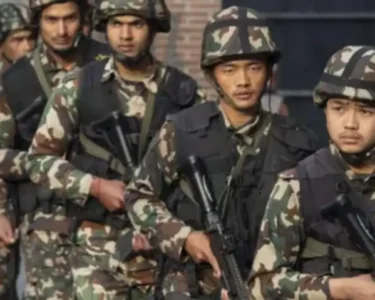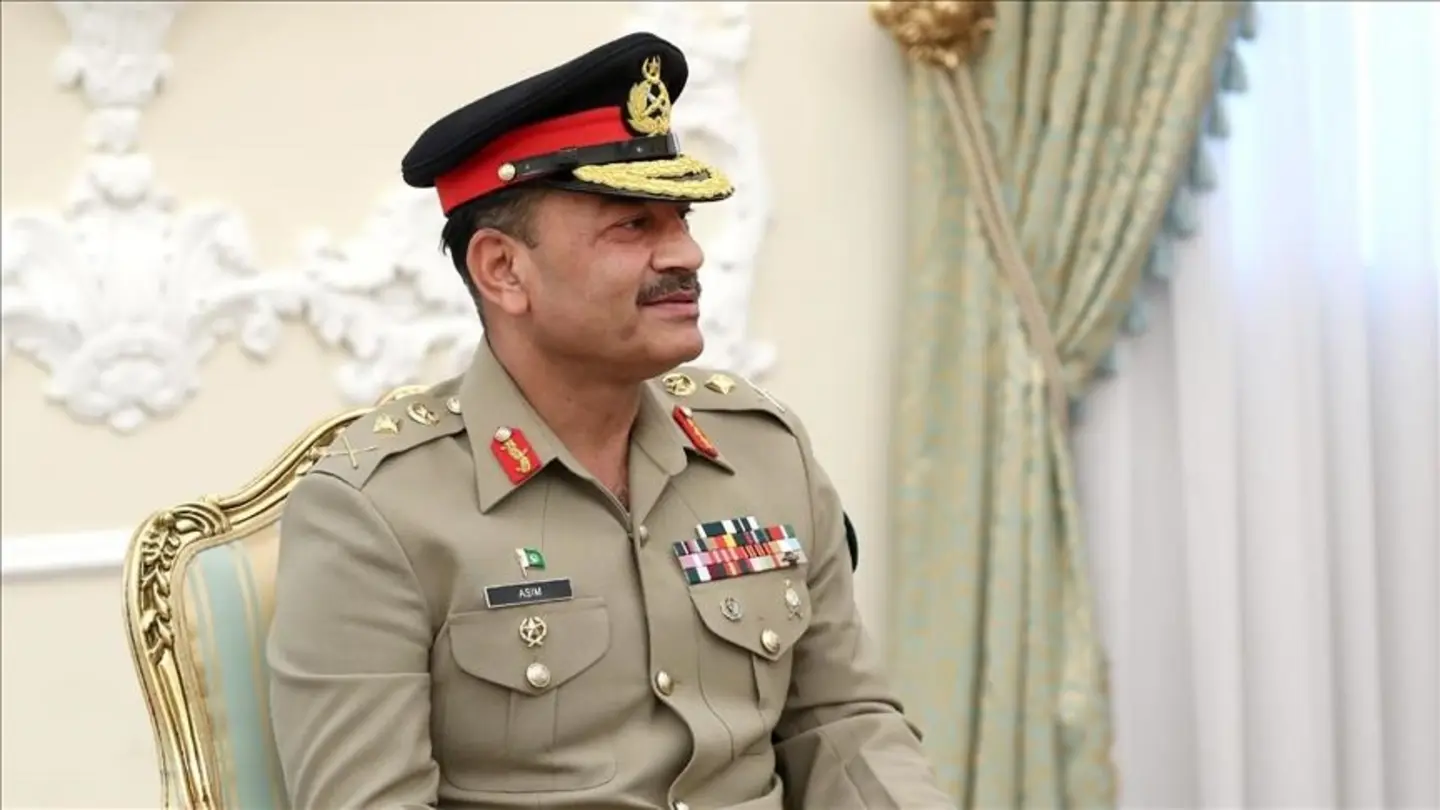
Pakistan’s Chief of Army Staff General Asim Munir is facing one of the most delicate diplomatic challenges of his career as he navigates Washington’s corridors of power this week. The high-stakes visit comes amid mounting international pressure, particularly from the United States, for Pakistan to contribute troops to a proposed multinational force for Gaza—a request that places Islamabad in an extraordinarily difficult position.
The geopolitical tightrope walk has intensified following former President Donald Trump’s recent statements urging Pakistan to ‘step up’ and deploy military personnel to the Gaza Strip. Trump’s influence within Republican circles and his potential return to the White House adds significant weight to these demands, forcing Pakistani officials to carefully calculate their response.
General Munir’s meetings with Pentagon officials and State Department representatives carry implications far beyond bilateral relations. Pakistan maintains historically strong ties with Saudi Arabia and other Gulf nations, while also navigating complex relationships with Iran and Turkey—all crucial players in the Middle Eastern strategic landscape. Any decision regarding troop deployment could significantly alter these carefully balanced relationships.
The humanitarian crisis in Gaza has reached catastrophic proportions, with United Nations agencies reporting widespread displacement, food insecurity, and inadequate medical care. International mediators have proposed establishing a multinational stabilization force to facilitate humanitarian aid delivery and maintain basic security, but consensus on the force’s composition and mandate remains elusive.
Pakistan’s military leadership faces domestic constraints that complicate any potential deployment decision. The country’s ongoing economic challenges, including negotiations with the International Monetary Fund, require careful management of public expenditure. Additionally, public opinion in Pakistan remains largely opposed to foreign military interventions, particularly in the Middle East.
Strategic analysts suggest that General Munir’s visit represents a critical opportunity for both nations to align their security interests while respecting Pakistan’s sovereign decision-making process. The meetings are expected to cover counterterrorism cooperation, regional stability, and economic partnerships alongside discussions about potential peacekeeping contributions.
The outcome of these deliberations will likely influence not only Pakistan’s regional standing but also the broader international community’s approach to resolving the Gaza crisis. As global powers seek sustainable solutions, Pakistan’s role as a major Muslim-majority nation with significant military capabilities positions it uniquely in these negotiations.
Observers note that any Pakistani contribution to Gaza stabilization efforts would need to be carefully structured, potentially under United Nations auspices, to maintain domestic political viability while addressing international expectations. The coming days will prove crucial in determining whether Washington and Islamabad can find common ground on this profoundly complex issue.