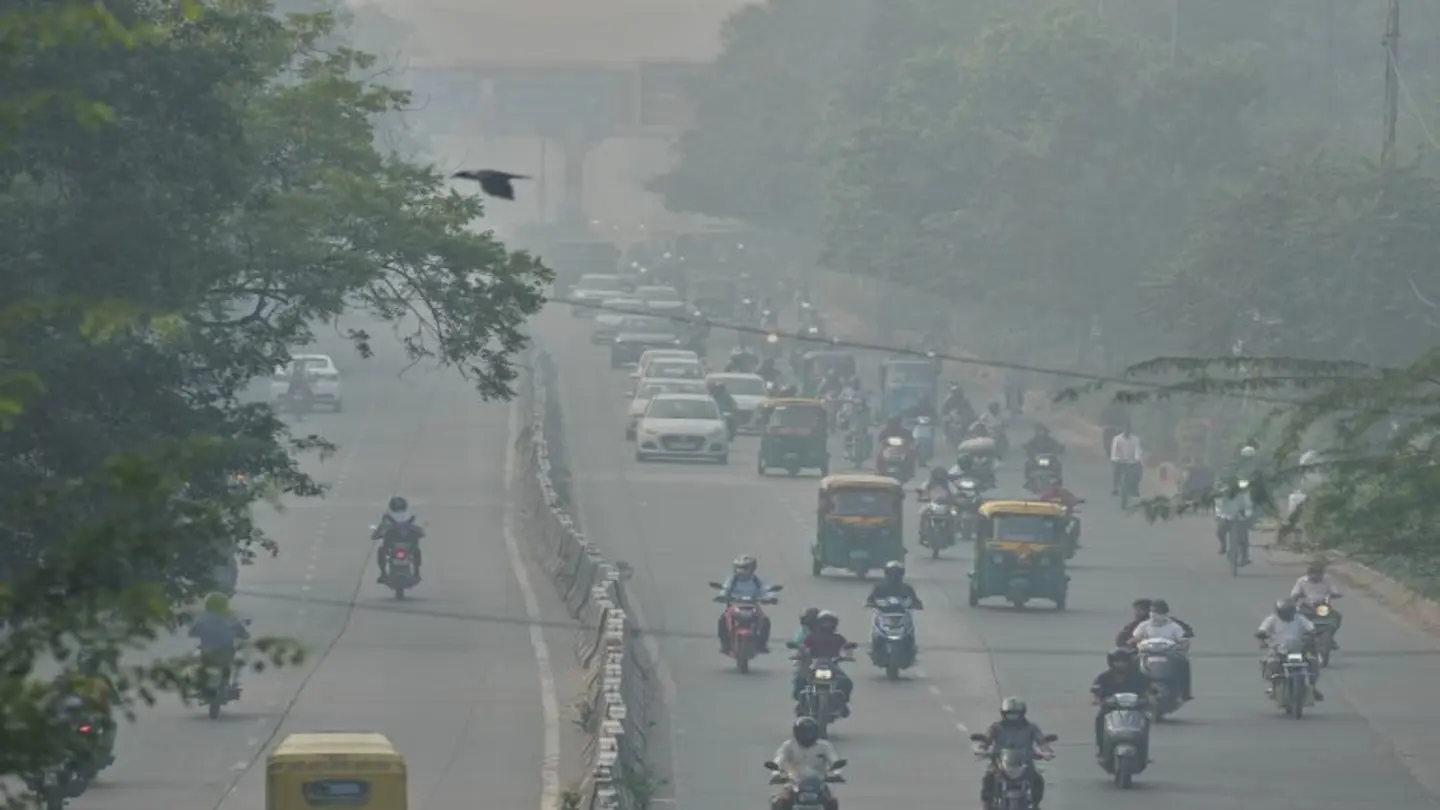
New Delhi is currently grappling with severely hazardous air quality and dense fog conditions, significantly impacting visibility and public health. The Air Quality Index (AQI) reached a concerning level of 376, placing it firmly in the ‘very poor’ category, according to data released by the Central Pollution Control Board (CPCB). This surge in pollution is attributed to a combination of factors, including low temperatures, calm winds, and increased emissions from various sources.
The dense fog, which began to descend on the city late Tuesday, has disrupted transportation networks. Several flights were delayed or diverted at Indira Gandhi International Airport, causing inconvenience to passengers. Road travel has also been affected, with reduced visibility leading to slower traffic and an increased risk of accidents. Authorities have issued advisories urging commuters to exercise caution and avoid unnecessary travel.
Health Concerns Rise
Health experts are warning residents, particularly those with respiratory ailments, to take precautions. The extremely poor air quality can exacerbate conditions like asthma, bronchitis, and heart disease. Prolonged exposure to such high levels of pollution can also lead to respiratory infections and other serious health complications. Doctors are reporting a rise in patients complaining of breathing difficulties and eye irritation.
“The current air quality is a serious threat to public health,” stated Dr. Neeraj Kumar, a pulmonologist at All India Institute of Medical Sciences (AIIMS). “We are advising vulnerable populations, including children, the elderly, and individuals with pre-existing respiratory conditions, to stay indoors as much as possible and wear masks if they have to venture outside.”
The primary pollutants contributing to the poor air quality are PM2.5 and PM10 particles, which are capable of penetrating deep into the lungs and bloodstream. These particles originate from sources such as vehicle emissions, industrial activity, construction dust, and the burning of crop residue in neighboring states. The lack of significant wind speed is preventing the dispersal of these pollutants, leading to their accumulation in the atmosphere.
Authorities are implementing measures to mitigate the pollution crisis, including increased monitoring of industrial emissions, stricter enforcement of vehicle emission standards, and efforts to curb construction dust. However, experts emphasize that a long-term, comprehensive strategy is needed to address the root causes of air pollution in the region. This includes promoting cleaner transportation options, investing in renewable energy sources, and addressing the issue of stubble burning.
The India Meteorological Department (IMD) forecasts that the fog and poor air quality are likely to persist for the next few days, with little improvement expected until weather conditions change. Residents are urged to remain vigilant and take necessary precautions to protect their health. The Delhi government is also considering implementing temporary restrictions on certain activities to further reduce pollution levels.
Image Source: Google | Image Credit: Respective Owner