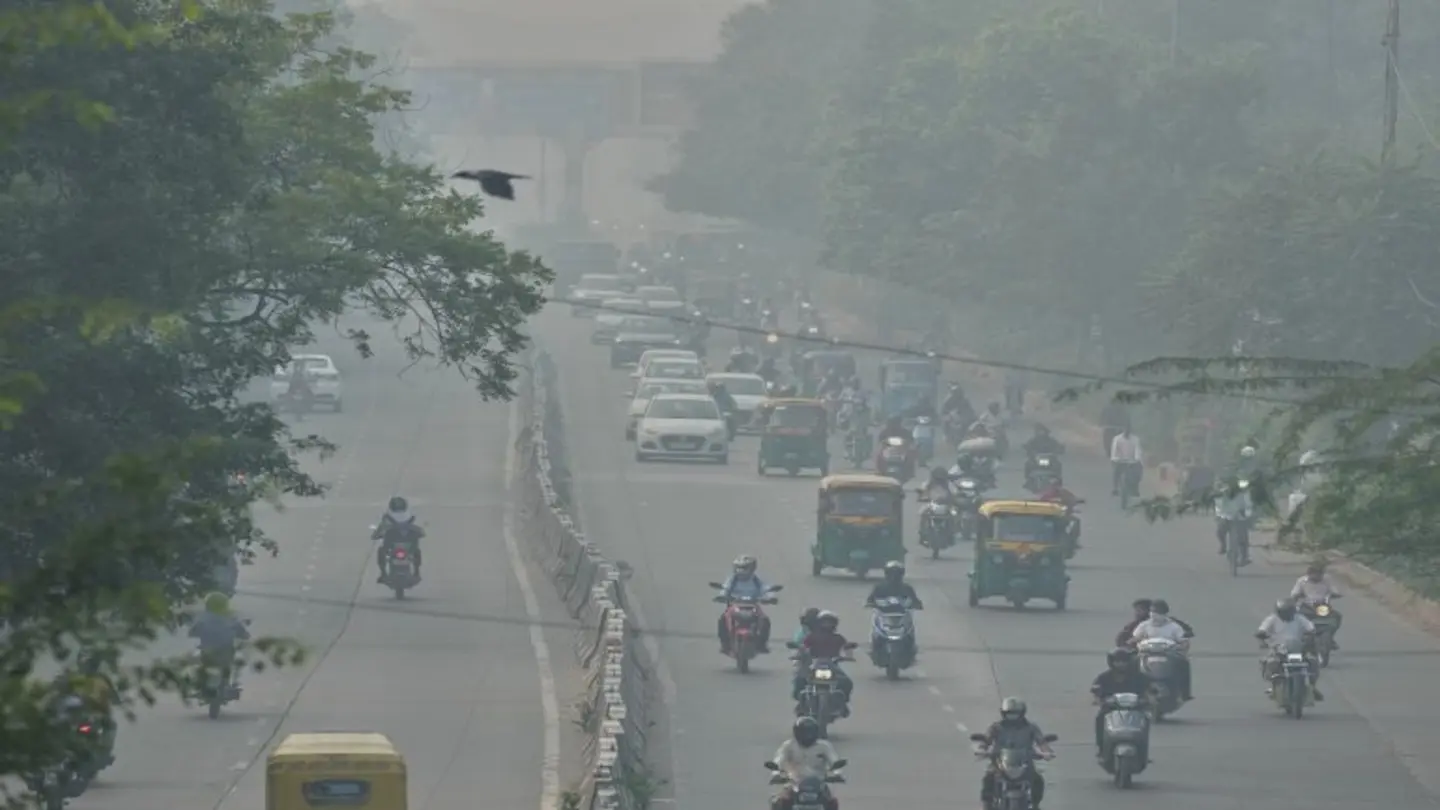
Delhi-NCR is once again grappling with a severe air pollution crisis, prompting the implementation of Stage IV of the Graded Response Action Plan (GRAP). The decision comes as air quality plummeted to the ‘severe’ category across several locations in the region, raising concerns about public health.
The GRAP-IV stage, the most stringent level of restrictions, was reimposed on Sunday, November 5th, following orders from the Commission for Air Quality Management (CAQM). This escalation is triggered by the Air Quality Index (AQI) consistently remaining above 401 across Delhi and neighboring cities like Gurugram, Faridabad, Noida, and Ghaziabad.
Under GRAP-IV, a comprehensive set of measures are enforced to curtail pollution sources. These include a ban on the entry of trucks into Delhi (except those carrying essential goods), a complete stop on construction activities, and the potential for stricter vehicle restrictions, including enhanced odd-even schemes if the situation deteriorates further. Industries operating on non-polluted fuels are also being closely monitored and may face closure if they fail to comply with regulations.
Impact on Daily Life
The deteriorating air quality is having a significant impact on the daily lives of residents. Health advisories have been issued, urging people, especially those with respiratory and cardiovascular conditions, to limit outdoor activities and wear N95 masks when venturing outside. Hospitals are reporting a rise in patients complaining of breathing difficulties and other pollution-related ailments.
Schools have also been affected, with many considering or already implementing closures and shifting to online learning to protect students from the harmful effects of the smog. The Delhi government has announced measures to provide relief to farmers in neighboring states to discourage stubble burning, a major contributor to the pollution.
Authorities are intensifying efforts to curb dust pollution through mechanical sweeping and water sprinkling on roads. Teams are also deployed to monitor industrial emissions and ensure compliance with pollution control norms. The CAQM is holding emergency meetings with state governments to coordinate efforts and implement the GRAP measures effectively.
The current pollution surge is attributed to a combination of factors, including unfavorable meteorological conditions – low wind speed and stagnant air – coupled with increased emissions from local sources and the ongoing stubble burning in Haryana, Punjab, and Uttar Pradesh. The India Meteorological Department (IMD) forecasts that these conditions are likely to persist for the next few days, potentially exacerbating the crisis.
Officials are urging public cooperation in adhering to the GRAP guidelines and adopting sustainable practices to mitigate the impact of air pollution. The long-term solution, they emphasize, lies in addressing the root causes of pollution through systemic changes and a collective commitment to cleaner air.
The situation remains fluid, and further decisions regarding restrictions will be taken based on real-time air quality data and assessments by the CAQM and relevant authorities. Residents are advised to stay updated on the latest advisories and take necessary precautions to safeguard their health.
Image Source: Google | Image Credit: Respective Owner