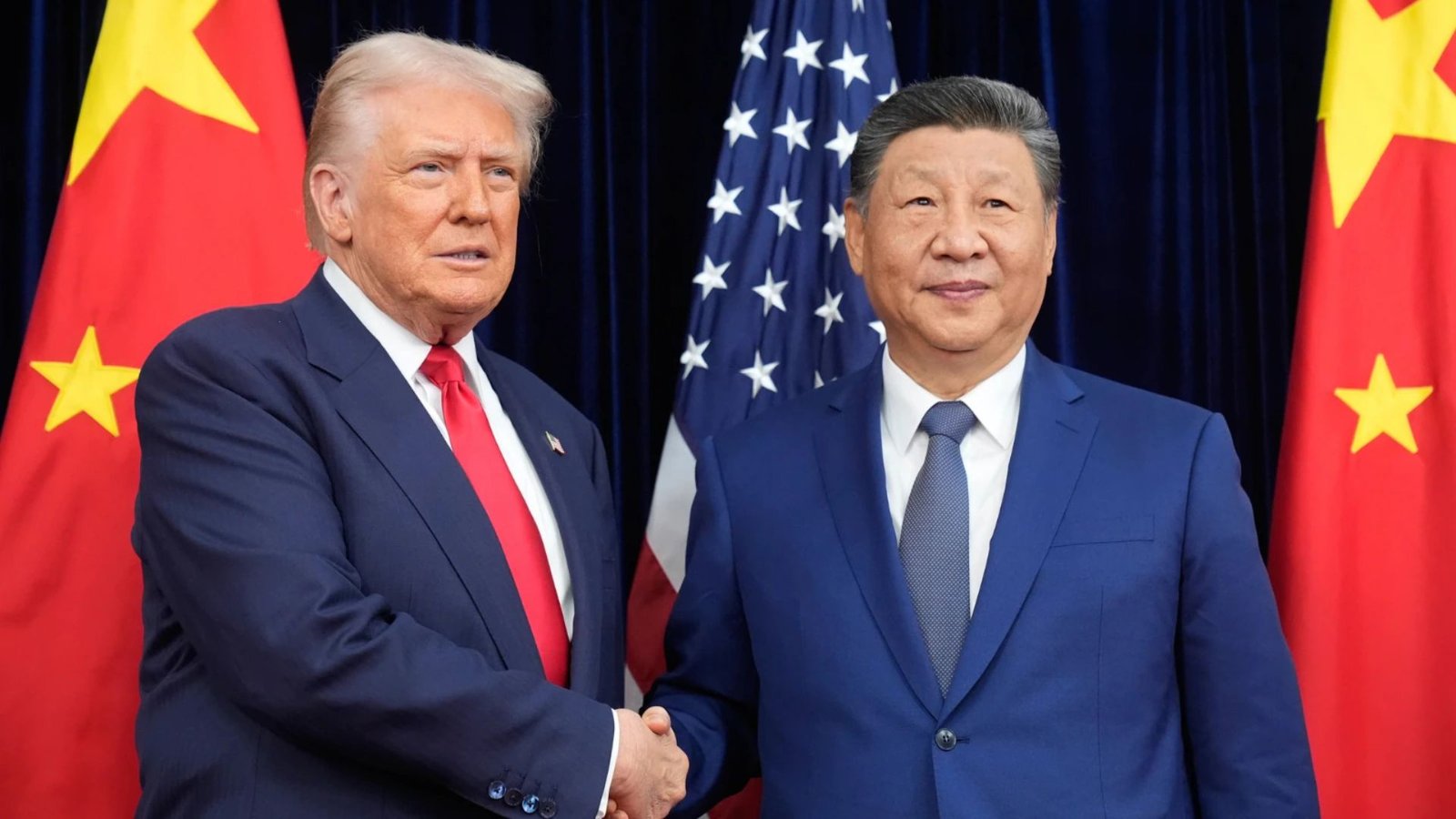
Chinese President Xi Jinping reportedly pushed then-U.S. President Donald Trump on the issue of Taiwan, as China celebrated the idea of equal status under a ‘G2’ format. This comes amid ongoing tensions between China and Taiwan, with the former claiming the island as its own territory and the latter seeking to maintain its autonomy.
Background of the Call
The details of the call, which occurred during Trump’s presidency, highlight the delicate and complex relationship between the United States and China. The U.S. has historically maintained a policy of “strategic ambiguity” regarding Taiwan, neither confirming nor denying whether it would intervene militarily if China were to attack. This policy aims to deter China from taking aggressive action while also discouraging Taiwan from declaring formal independence.
China’s view of the ‘G2’ format—a concept suggesting a duopoly between the U.S. and China in global affairs—underscores its ambition for greater influence on the international stage. The Chinese government has consistently sought to portray itself as a responsible global power, willing to cooperate on issues such as climate change and trade while also asserting its interests in areas it considers to be of core national importance, such as Taiwan.
Implications of the Interaction
The interaction between Xi and Trump reflects the broader geopolitical dynamics at play. The Trump administration adopted a more confrontational approach towards China, particularly on trade and technology, which heightened tensions between the two countries. The Biden administration has largely continued this approach, though with a greater emphasis on working with allies to counter China’s growing influence.
The Taiwan issue remains a significant flashpoint in U.S.-China relations. China has increased its military activity near Taiwan in recent years, raising concerns about a potential invasion. The U.S. has responded by increasing its military presence in the region and strengthening its ties with Taiwan, much to China’s displeasure. China views any official interaction between U.S. and Taiwanese officials as a challenge to its sovereignty.
The report also suggests that China interprets discussions of a ‘G2’ format as tacit acknowledgement of its rising global power and equal footing with the United States. This perception influences China’s foreign policy decisions and its approach to international relations. The future of U.S.-China relations will depend, in part, on how the two countries manage their differences on issues like Taiwan and trade, while also seeking areas of cooperation.
The details emerging from this call provide valuable insights into the high-stakes diplomacy that shapes the relationship between these two global superpowers and emphasizes the importance of understanding each nation’s perspective and priorities.
Image Source: Google | Image Credit: Respective Owner