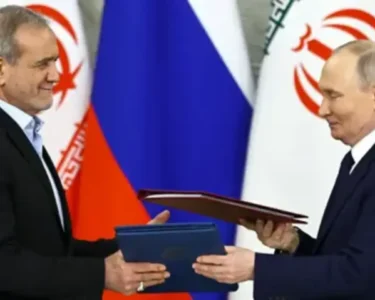
A global summit is slated to convene, focusing on the long-debated two-state solution to the Israeli-Palestinian conflict. This development arrives amidst reports that six additional nations are preparing to officially recognize the State of Palestine, potentially shifting the international diplomatic landscape. The summit aims to reignite discussions and explore viable pathways towards a peaceful resolution, addressing key obstacles that have persistently hindered progress.
Diplomatic Momentum
The forthcoming recognition of Palestine by six countries signals a growing international sentiment towards acknowledging Palestinian statehood. While the specific nations have not yet been officially named, diplomatic sources suggest a diverse geographical representation, potentially including countries from Europe, South America, and Asia. This wave of recognition could embolden other nations to follow suit, placing increased pressure on Israel to engage in meaningful negotiations.
The summit will bring together representatives from various countries, international organizations, and key stakeholders involved in the Israeli-Palestinian issue. The agenda is expected to cover a range of critical topics, including border demarcations, the status of Jerusalem, the issue of Palestinian refugees, and security arrangements. Discussions will likely delve into the complexities of each issue, seeking common ground and exploring innovative approaches to bridge existing divides.
Challenges and Opportunities
Despite the renewed diplomatic efforts, significant challenges remain. Deep-seated mistrust between Israelis and Palestinians, coupled with political instability in the region, continue to pose formidable obstacles. Hardline stances on both sides further complicate the prospects for a comprehensive peace agreement. However, the summit presents a crucial opportunity to foster dialogue, build confidence, and explore potential compromises.
The economic dimension of the conflict will also be a key focus, with discussions on promoting sustainable development and creating economic opportunities for Palestinians. Investment in Palestinian infrastructure, education, and job creation could contribute to long-term stability and improve the living conditions of Palestinians. Furthermore, the summit is expected to address the humanitarian situation in Gaza, exploring ways to alleviate the suffering of its residents.
The international community’s renewed engagement in the Israeli-Palestinian conflict underscores the urgency of finding a lasting solution. The two-state solution, which envisions an independent Palestinian state alongside Israel, remains the most widely supported framework. However, the implementation of this vision requires concerted efforts from all parties involved, as well as a firm commitment to peaceful coexistence. The upcoming summit represents a critical step towards achieving this goal, fostering hope for a more peaceful and stable future in the region.
Path Forward
The success of the summit will depend on the willingness of all participants to engage in constructive dialogue and compromise. While the path towards a two-state solution is fraught with challenges, the potential rewards – a just and lasting peace, security for both Israelis and Palestinians, and stability in the region – are immense.
Image Source: Google | Image Credit: Respective Owner