Dr. Pooja Babbar sheds light on innovative combined treatment approaches involving chemotherapy and immunotherapy in the fight against cancer. This integrated strategy aims to harness the synergistic effects of both treatments, potentially leading to more effective cancer control and improved patient outcomes. Chemotherapy, a traditional cancer treatment, works by targeting rapidly dividing cells, including cancer cells. However, it can also affect healthy cells, leading to side effects. Immunotherapy, on the other hand, boosts the body’s natural defenses to fight cancer. It helps the immune system recognize and destroy cancer cells more effectively.
Understanding Chemotherapy
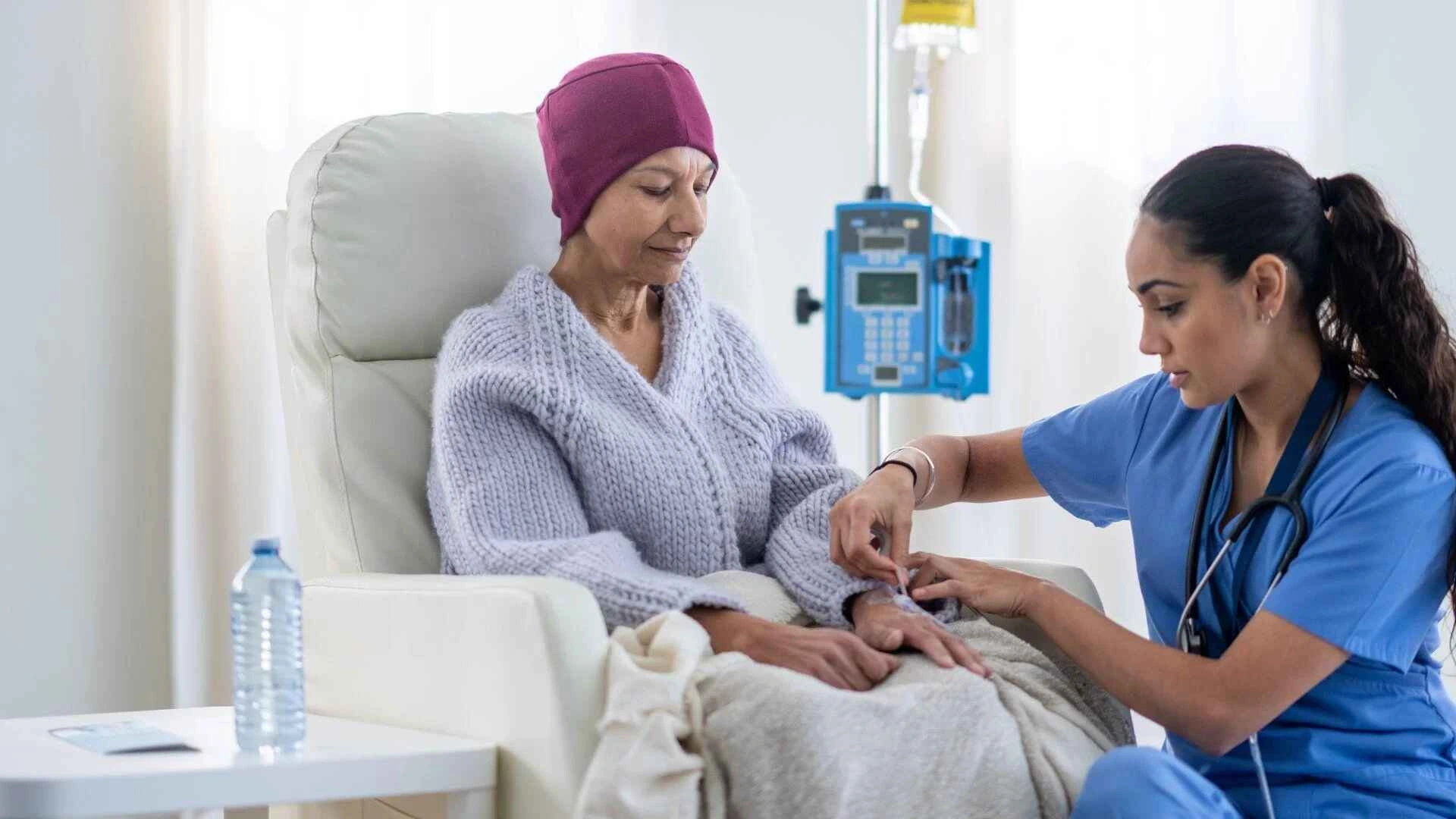
Chemotherapy remains a cornerstone in cancer treatment, often used to shrink tumors before surgery or radiation therapy, or to kill cancer cells that have spread to other parts of the body. It works by interfering with the cell division process, damaging the DNA of cancer cells and preventing them from multiplying. While effective, chemotherapy’s impact on healthy cells can cause side effects such as nausea, fatigue, and hair loss. Modern chemotherapy regimens are often tailored to minimize these side effects while maximizing their therapeutic benefits.
The Power of Immunotherapy
Immunotherapy represents a paradigm shift in cancer treatment, leveraging the power of the immune system to target and destroy cancer cells. Different types of immunotherapy are available, including checkpoint inhibitors, which block proteins that prevent the immune system from attacking cancer cells; T-cell transfer therapy, which involves modifying a patient’s T cells to better recognize and attack cancer cells; and monoclonal antibodies, which target specific proteins on cancer cells. Immunotherapy can be particularly effective in cancers that have been resistant to traditional treatments.
Combining Chemotherapy and Immunotherapy
The combination of chemotherapy and immunotherapy is based on the rationale that chemotherapy can help to release tumor-associated antigens, making cancer cells more visible to the immune system. Chemotherapy can also help to reduce the number of immunosuppressive cells in the tumor microenvironment, allowing immunotherapy to work more effectively. Dr. Babbar explains that this combined approach has shown promise in several types of cancers, including lung cancer, melanoma, and bladder cancer. Clinical trials are ongoing to evaluate the effectiveness of this combined treatment strategy in other types of cancers.
Potential Benefits and Challenges
The potential benefits of combining chemotherapy and immunotherapy include improved response rates, prolonged survival, and reduced risk of cancer recurrence. However, this approach also presents challenges. One major challenge is the potential for increased side effects, as both chemotherapy and immunotherapy can cause adverse reactions. Careful monitoring and management of side effects are crucial when using this combined approach. Another challenge is the identification of patients who are most likely to benefit from this treatment strategy. Biomarkers and other predictive factors are being investigated to help identify these patients.
Future Directions
The field of cancer treatment is rapidly evolving, and the combination of chemotherapy and immunotherapy represents an exciting area of research. Future studies will focus on optimizing the sequencing and dosing of these treatments, as well as identifying new targets for immunotherapy. As research progresses, it is hoped that this combined approach will become a standard of care for more patients with cancer, leading to improved outcomes and a better quality of life.
Image Source: Google | Image Credit: Respective Owner