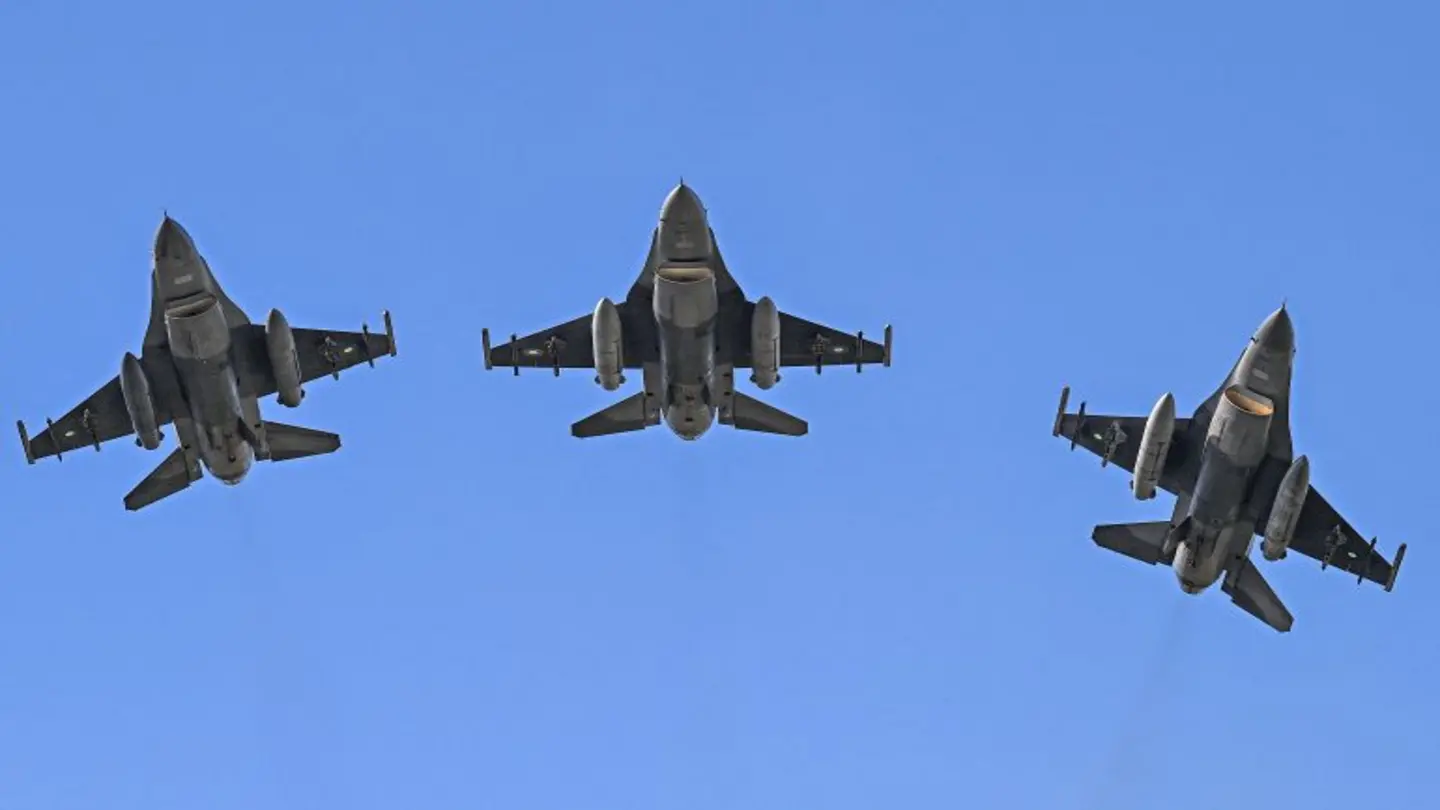
The United States has granted approval for a $686 million package to modernize Pakistan’s fleet of F-16 fighter jets, marking a significant boost for Islamabad’s air capabilities amid ongoing regional tensions.
The upgrade, reported by India Today, will focus on enhancing approximately 34 F-16D+ aircraft with advanced avionics, improved radar systems, and upgraded weapons libraries. This modernization aims to increase the fleet’s interoperability with contemporary coalition forces and amplify its multi-role combat effectiveness.
Pakistani officials have welcomed the decision, framing it as essential for national defense and regional stability. Analysts suggest the enhancement could shift regional military dynamics, particularly affecting relations with neighboring India, which maintains a robust air force.
The package includes financial support for technical upgrades, training for maintenance personnel, and delivery of new systems over several years. Critics, however, highlight concerns about Pakistan’s compliance with international norms and its historical ties to militant groups in Afghanistan.
This approval aligns with broader U.S. strategic interests in the region, balancing counter-terrorism cooperation with demands for democratic governance in Islamabad. The move follows previous U.S. assistance to Pakistan, underscoring America’s ongoing engagement in South Asian security architecture.
Regional observers warn the upgrade might provoke India to accelerate its own defense acquisitions, potentially escalating an arms race between the nuclear-armed rivals. Diplomatic efforts remain critical to mitigate tensions and foster stability in the volatile region.
Congressional approval is still required before implementation can begin, with defense contractors such as Lockheed Martin poised to execute the contract. The deal also supports U.S. aerospace jobs, a factor often considered in such approvals.
Human rights groups have expressed alarm, linking military aid to past abuses in Pakistan. They urge stringent conditionalities attached to the package, emphasizing accountability and protection of civilians.
The administration defends the move as necessary for counter-terrorism collaboration, citing Pakistan’s role in regional intelligence sharing. The long-term impact on South Asian security remains uncertain, but stakeholders agree the decision will feature prominently in upcoming diplomatic and defense dialogues.
Image Source: Google | Image Credit: Respective Owner