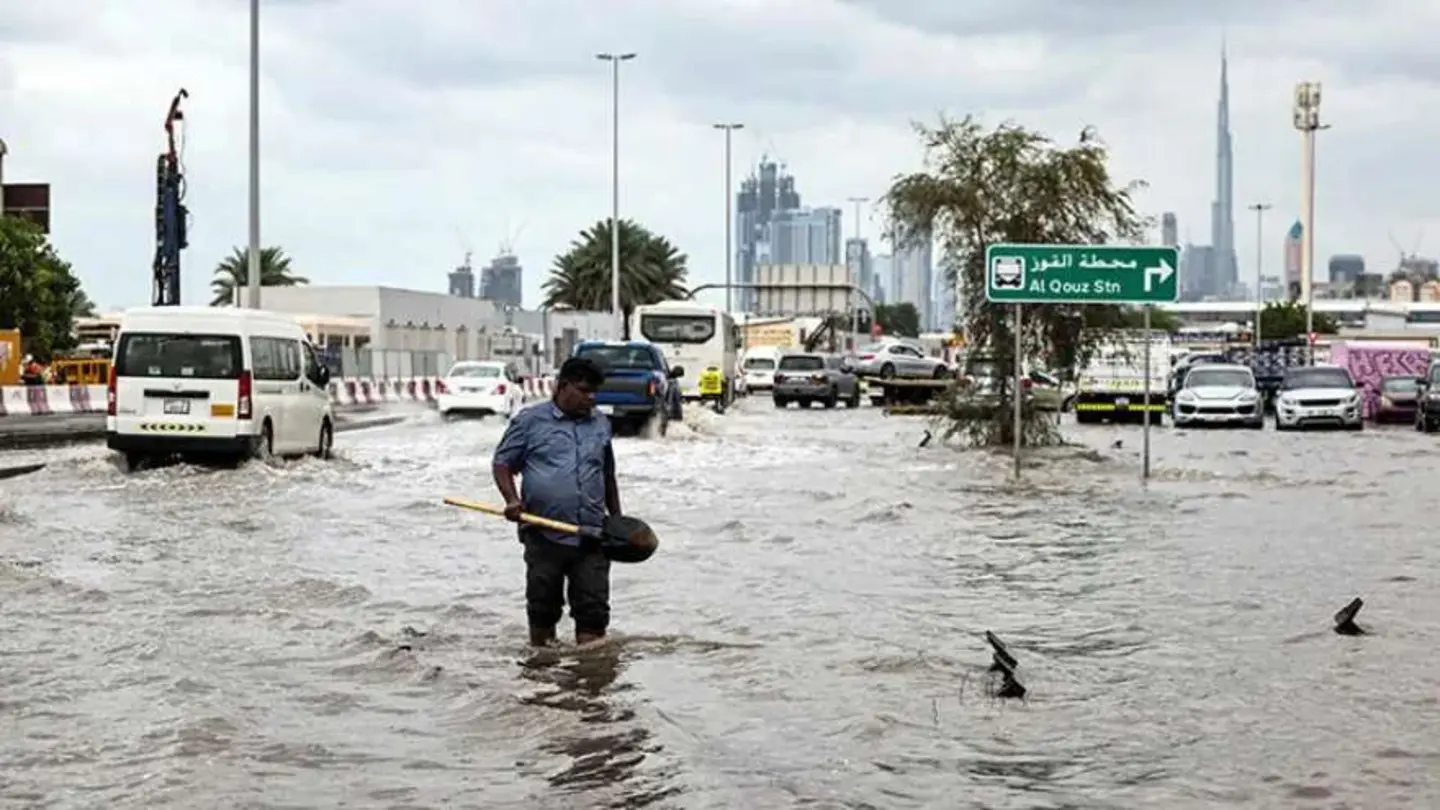
Heavy rain lashed the United Arab Emirates, disrupting flights, inundating major roads and leaving communities grappling with the unusual downpour. Dubai and Sharjah were particularly affected, with waterlogged streets bringing traffic to a standstill and prompting authorities to issue safety advisories. The rare nature of the storm—in a region characterized by arid conditions and limited annual rainfall—triggered widespread operational disruptions.
Both Dubai International Airport and Sharjah Airport reported significant flight delays and cancellations as ground crews worked to ensure runway safety amid reduced visibility and strong winds. Airlines issued travel waivers, allowing passengers to rebook without penalties. Passengers were advised to allow extra time for journeys and to verify their flight status before heading to the airport. Ride-hailing services and metro systems likewise experienced delays as water pooled on key routes.
Emergency services responded to multiple incidents linked to flash flooding in low-lying areas. Videos shared on social media showed vehicles partially submerged on major highways, with some motorists abandoning their cars in waist-deep water. In residential areas, drainage systems in several neighborhoods struggled to cope with the intensity of the rainfall, leading to basement and ground-floor flooding.
Meteorological authorities in the Gulf region indicated the storm system also impacted parts of Qatar, where heavy rains and thunderstorms were observed. Such weather events are climatologically uncommon for the Arabian Peninsula, where most annual precipitation typically occurs in short, sporadic bursts during the cooler months.
The rain event highlights heightened climate variability and infrastructure vulnerabilities in rapidly urbanized desert environments. While desalination remains the primary source of potable water in the UAE, episodic intense rainfall can overwhelm conventional drainage and flood-mitigation capacities, particularly in coastal cities with complex terrain and extensive paved surfaces.
Local governments activated emergency response plans, deploying municipal crews to clear blocked drains and redirect traffic. Schools in several affected areas shifted to remote learning as a precaution to keep students safe and reduce road congestion. Recovery operations continued into the night with temporary shelters set up in some locations.
Residents reported that the scale of disruption was unusual, noting that while seasonal showers occur, this system brought sustained and widespread precipitation. Airlines and airports advised travelers to maintain flexible plans and follow official updates until conditions improve.
Image Source: Google | Image Credit: Respective Owner