Former President Donald Trump’s persistent interest in acquiring Greenland, coupled with his often-contentious relationship with NATO allies, significantly strained the alliance during his presidency. A recent report details how Trump repeatedly questioned the value of NATO, particularly its financial burden-sharing arrangements, and how his fascination with Greenland became a focal point of diplomatic tension.
The report highlights Trump’s repeated inquiries with advisors about the possibility of the United States purchasing Greenland, an autonomous territory within the Kingdom of Denmark. This pursuit, viewed as bizarre and unproductive by many within his administration and among allies, underscored a broader pattern of Trump prioritizing transactional relationships over traditional diplomatic norms. Danish officials swiftly and firmly rejected the idea, deeming it absurd.
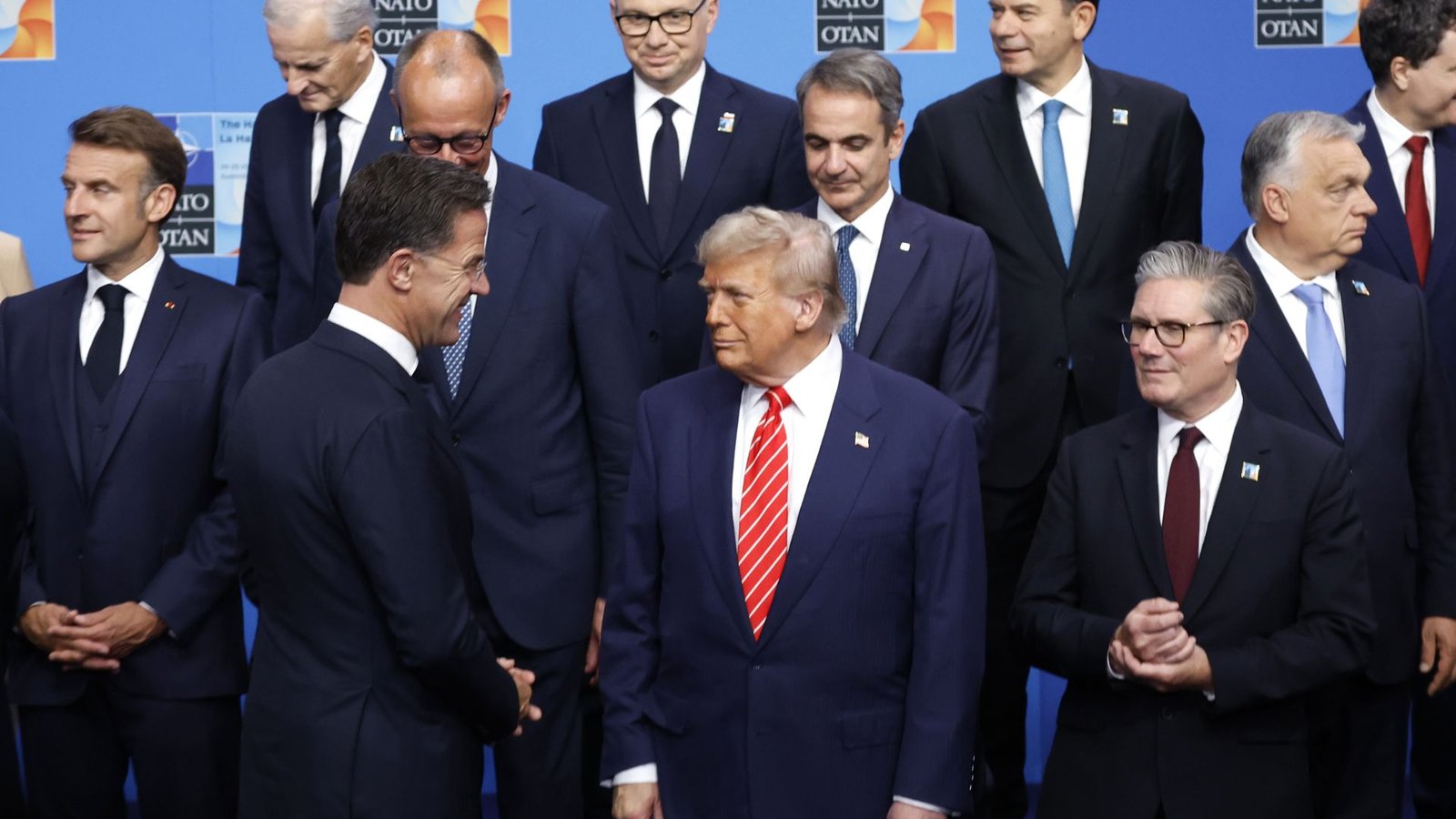
Trump’s approach to NATO was characterized by demands that European members significantly increase their defense spending to meet the alliance’s target of 2% of GDP. While this goal had been agreed upon years prior, Trump’s aggressive insistence and public shaming of allies who fell short created friction and uncertainty. He frequently questioned the core principle of collective defense – Article 5 – which states that an attack on one member is considered an attack on all.
Greenland as a Strategic Asset
The interest in Greenland stemmed from its strategic location and potential natural resources. The island’s geographic position is crucial for missile defense and early warning systems, particularly in the context of rising geopolitical tensions with Russia. Furthermore, Greenland contains significant deposits of rare earth minerals, vital for modern technology and defense industries. Trump reportedly saw acquiring Greenland as a way to bolster U.S. national security and economic interests.
However, his attempts to pursue this goal were hampered by the strong opposition from Denmark and the lack of any genuine interest from the Greenlandic people themselves. The idea was widely criticized as neocolonial and insensitive to Greenland’s autonomy. The episode further alienated European allies who already felt strained by Trump’s broader criticisms of the alliance.
The report suggests that Trump’s actions regarding NATO and Greenland were interconnected. His willingness to challenge established norms and prioritize perceived national interests over alliance cohesion created a climate of distrust and instability. This approach, while appealing to his base, ultimately weakened the alliance and raised questions about the long-term commitment of the United States to its transatlantic partners. The situation prompted internal debates within the administration about how to manage Trump’s unconventional foreign policy and mitigate the damage to key relationships.
Ultimately, Trump’s Greenland ambitions remained unrealized, and his efforts to fundamentally reshape NATO were only partially successful. However, the episode serves as a stark reminder of the potential for disruptive leadership to strain even the most enduring alliances and the importance of consistent diplomatic engagement.
Image Source: Google | Image Credit: Respective Owner