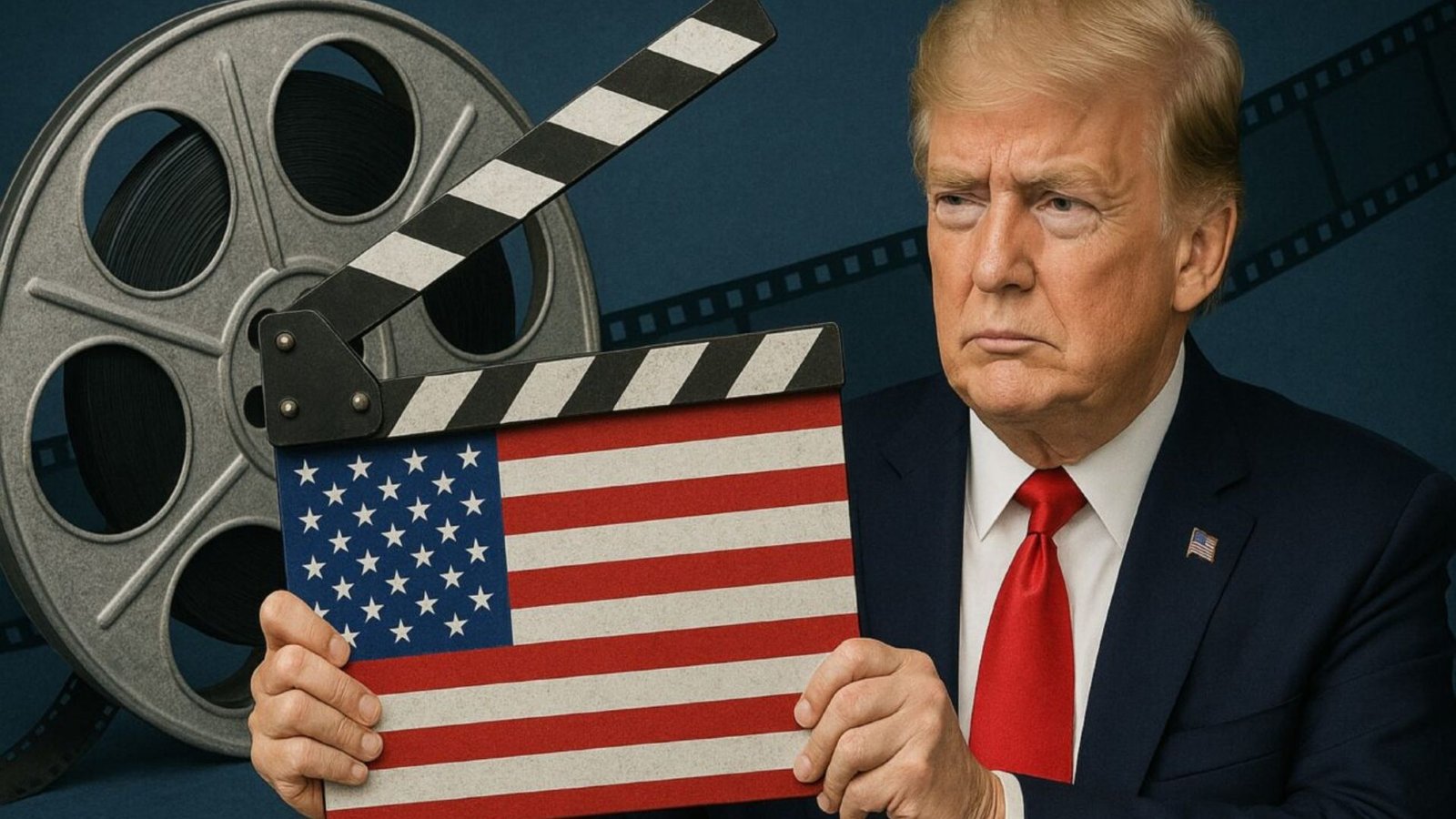
Former US President Donald Trump has announced a proposal to impose a 100% tariff on all foreign-made movies entering the United States. This drastic measure, revealed during a recent rally, has sent shockwaves through the global film industry and sparked intense debate about its potential consequences. Trump argues that the tariff is necessary to protect American jobs and bolster the domestic film industry, which he claims has been unfairly disadvantaged by foreign competition.
Rationale Behind the Tariff
Trump’s rationale centers on the idea that foreign films, particularly those from countries with lower production costs, flood the US market and undercut American productions. He contends that this puts American studios and filmmakers at a disadvantage, leading to job losses and a decline in the quality and quantity of domestically produced content. By imposing a hefty tariff, Trump aims to level the playing field and incentivize American studios to invest more in local productions.
“We have to protect our great American artists and filmmakers,” Trump stated during the rally. “These foreign countries are dumping their movies into our country and taking away jobs from hardworking Americans. We’re going to put an end to it.” The announcement comes amidst growing concerns about the increasing globalization of the entertainment industry and the rise of streaming services that offer a diverse range of international content.
Potential Impact on the Film Industry
The proposed tariff could have far-reaching implications for the global film industry. A 100% tariff would effectively double the cost of importing foreign films into the US, making them significantly less competitive in the American market. This could lead to a decline in the number of foreign films screened in US theaters and available on streaming platforms. American audiences would likely have less access to international cinema and diverse perspectives.
Conversely, the tariff could benefit American studios by reducing competition and increasing demand for domestically produced films. This could lead to increased investment in American productions and the creation of more jobs in the film industry. However, some experts argue that the tariff could also stifle creativity and innovation by limiting exposure to different filmmaking styles and cultural perspectives.
Reactions and Criticisms
The announcement has been met with mixed reactions from industry stakeholders. Supporters of the tariff argue that it is a necessary step to protect American jobs and preserve the cultural identity of the nation. Critics, on the other hand, contend that the tariff is protectionist and would harm consumers by limiting their choices and increasing the cost of entertainment. Some have also raised concerns about potential retaliatory measures from other countries, which could lead to a trade war that would harm the global economy.
The Motion Picture Association (MPA), which represents major American studios, has yet to release an official statement on the proposed tariff. However, several independent filmmakers and distributors have voiced their opposition, arguing that it would stifle creativity and diversity in the film industry. The debate is expected to continue as the proposal moves forward, potentially shaping the future of the global film landscape.
The Indian Express notes that the tariff’s implementation remains uncertain, contingent on various political and legal factors. Further analysis is needed to fully understand the long-term consequences of such a significant trade barrier in the entertainment sector.
Image Source: Google | Image Credit: Respective Owner