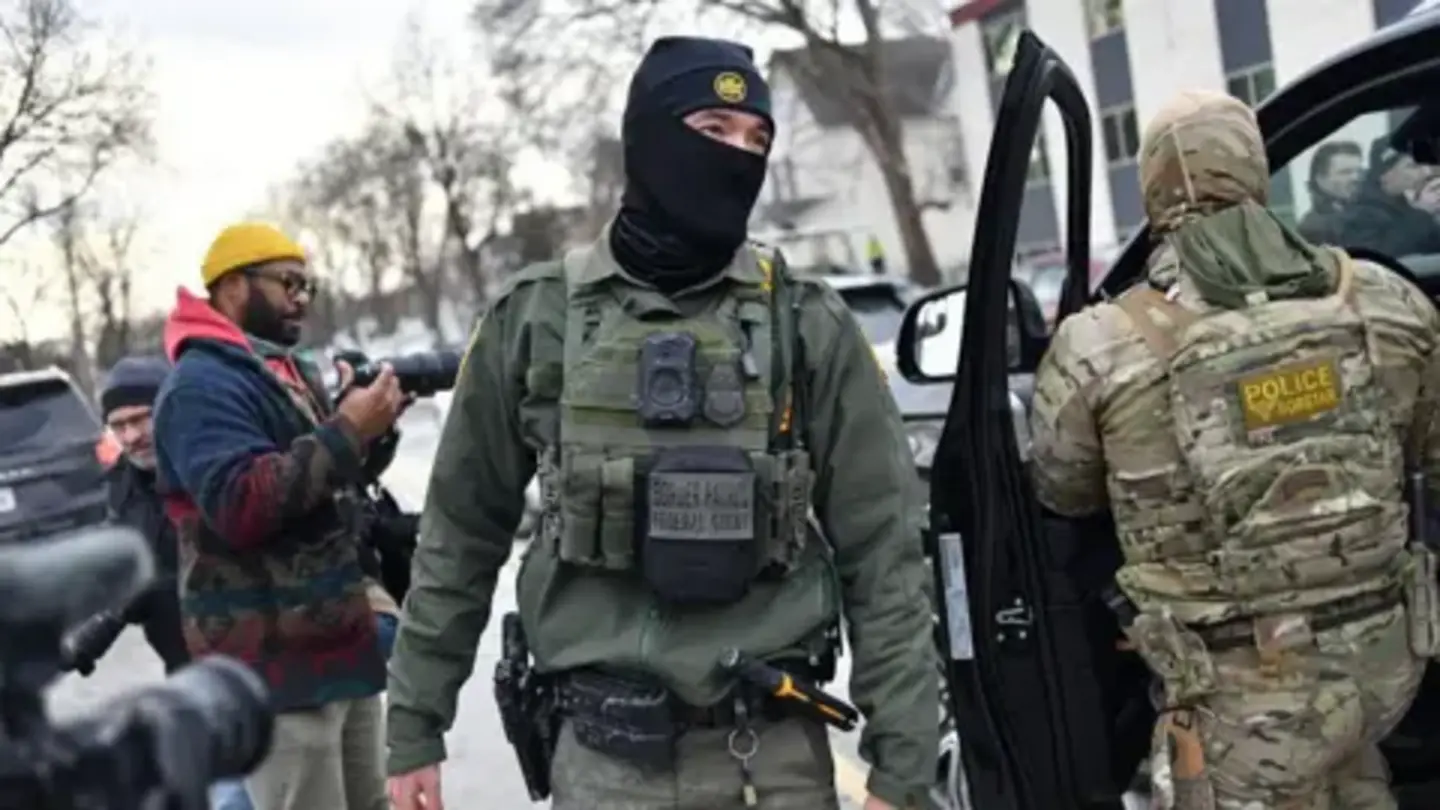
Former President Donald Trump has ignited controversy by suggesting the potential invocation of the Insurrection Act, a rarely used federal law, in response to ongoing unrest in Minnesota. The demonstrations stem from protests against Immigration and Customs Enforcement (ICE) and a recent police shooting. Trump’s comments, made during a rally, have raised concerns about the militarization of domestic law enforcement and the potential for escalating tensions.
The Insurrection Act, originally enacted in 1792, allows the President to deploy the U.S. military to suppress domestic violence, insurrection, or rebellion. However, its use is heavily restricted and requires a determination that civilian authorities are unable to control the situation. The act has been invoked sparingly throughout American history, most notably during the Civil War, the Reconstruction era, and in 1992 during the Los Angeles riots.
Trump’s warning comes as Minnesota continues to grapple with protests that have, at times, turned violent. Demonstrators are expressing outrage over the actions of ICE, particularly regarding deportations and immigration policies. The recent shooting involving a police officer has further fueled the unrest, with calls for accountability and police reform echoing through the streets. Local authorities are currently managing the situation, but Trump has publicly questioned their effectiveness.
Historical Context and Legal Debate
The legal basis for invoking the Insurrection Act is a subject of ongoing debate. Critics argue that it undermines states’ rights and could be used to suppress legitimate dissent. They point to the potential for abuse, particularly in situations where the President disagrees with the political views of protesters. Supporters, on the other hand, contend that the act is a necessary tool to maintain order and protect federal property when state and local governments are overwhelmed.
During the summer of 2020, following the death of George Floyd, Trump threatened to invoke the Insurrection Act to quell protests across the country. However, he ultimately did not follow through, reportedly after pushback from military leaders and advisors. The current situation in Minnesota is smaller in scale than the widespread unrest of 2020, but Trump’s renewed rhetoric is nonetheless alarming to many.
The Biden administration has expressed reservations about the Insurrection Act, signaling a preference for relying on state and local law enforcement to manage domestic disturbances. However, the possibility of its use remains on the table in extreme circumstances. Trump’s comments are likely intended to pressure the current administration and to rally his supporters around a tough-on-crime message.
The situation is evolving rapidly, and it remains to be seen whether the unrest in Minnesota will escalate to the point where federal intervention is considered. Legal experts are closely monitoring the developments, and civil rights groups are preparing to challenge any attempt to invoke the Insurrection Act. The debate over the proper role of the military in domestic law enforcement is likely to continue, regardless of the outcome in Minnesota. The potential deployment of federal troops would undoubtedly exacerbate tensions and raise serious constitutional questions.
Image Source: Google | Image Credit: Respective Owner