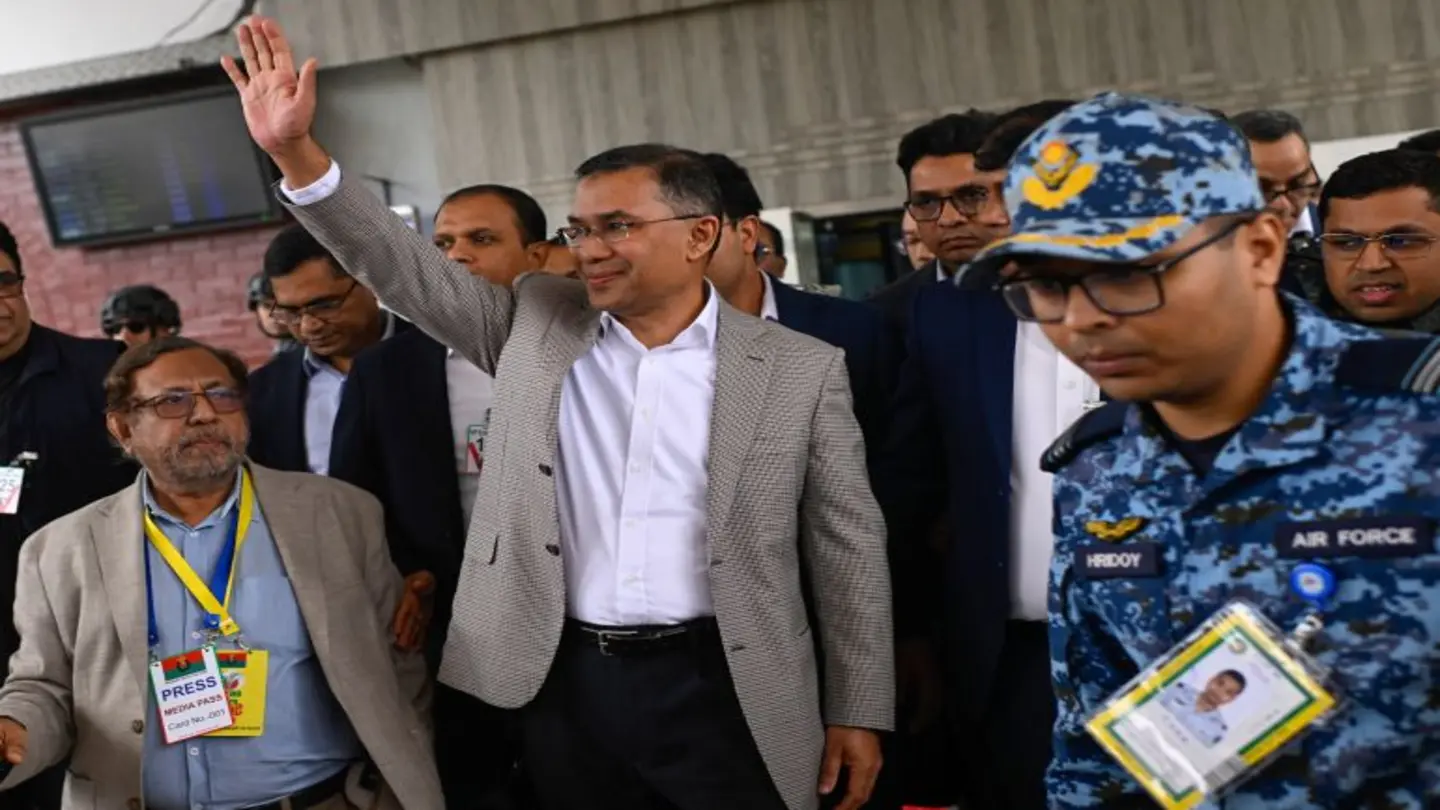
The spotlight is increasingly falling on Tarique Rahman, the senior vice-chairman of the Bangladesh Nationalist Party (BNP) and son of former Prime Minister Khaleda Zia, as the nation prepares for upcoming elections. Rahman, currently residing in London, is a key figure in the opposition’s efforts to challenge the ruling Awami League, led by Prime Minister Sheikh Hasina. However, his past, particularly his alleged involvement during his time at Hawa Bhaban – the former office of his mother – has drawn scrutiny, especially concerning India-Bangladesh relations.
Hawa Bhaban, during Khaleda Zia’s tenure, operated as an unofficial center of power, accused of fostering corruption and harboring anti-India sentiments. Reports suggest that Rahman played a significant role in the operations from Hawa Bhaban, allegedly facilitating activities that strained ties with New Delhi. These accusations include providing support to insurgent groups operating in India’s Northeast, allowing them to use Bangladeshi territory for training and logistical purposes. While the BNP has consistently denied these claims, the allegations continue to surface, particularly within Indian security circles.
The India Today report details concerns about a potential resurgence of these anti-India activities should the BNP return to power with Rahman in a prominent position. The historical context is crucial: during the BNP’s previous rule, relations with India were often fraught with tension, fueled by disputes over border issues, water sharing, and illegal immigration. The alleged support for insurgent groups was a major point of contention, leading to heightened security concerns along the India-Bangladesh border.
Rahman’s Current Role and Political Strategy
Currently, Rahman is leading the BNP’s campaign from London, utilizing social media and virtual rallies to mobilize support. He has been vocal in his criticism of the Hasina government, accusing it of authoritarianism and suppressing dissent. The BNP is demanding a neutral caretaker government to oversee the elections, a demand rejected by the ruling party. This impasse has led to escalating political unrest in Bangladesh, with frequent clashes between BNP supporters and law enforcement agencies.
India’s perspective is understandably cautious. New Delhi has maintained a working relationship with the Hasina government, recognizing its commitment to combating terrorism and improving regional connectivity. However, the possibility of a BNP-led government, with Rahman potentially wielding significant influence, raises concerns about a reversal of these gains. Indian officials are reportedly engaging in quiet diplomacy with both the BNP and the Awami League, seeking assurances about the future of bilateral relations.
The report emphasizes that Rahman’s past actions and alleged connections are being closely monitored by Indian intelligence agencies. They are assessing the potential risks and formulating strategies to mitigate any negative impact on India’s security interests. The upcoming elections in Bangladesh are therefore not just a domestic political event but also one with significant implications for regional stability and India’s strategic concerns. The legacy of Hawa Bhaban and Tarique Rahman’s role within it remain a critical factor in shaping India’s approach to the evolving political landscape in Bangladesh.
The situation is further complicated by the international community’s calls for free and fair elections in Bangladesh. The US and other Western nations have expressed concerns about the shrinking democratic space and the use of force against opposition activists. Balancing these concerns with its own security interests presents a delicate challenge for India as it navigates the complex political dynamics of its neighboring country.
Image Source: Google | Image Credit: Respective Owner