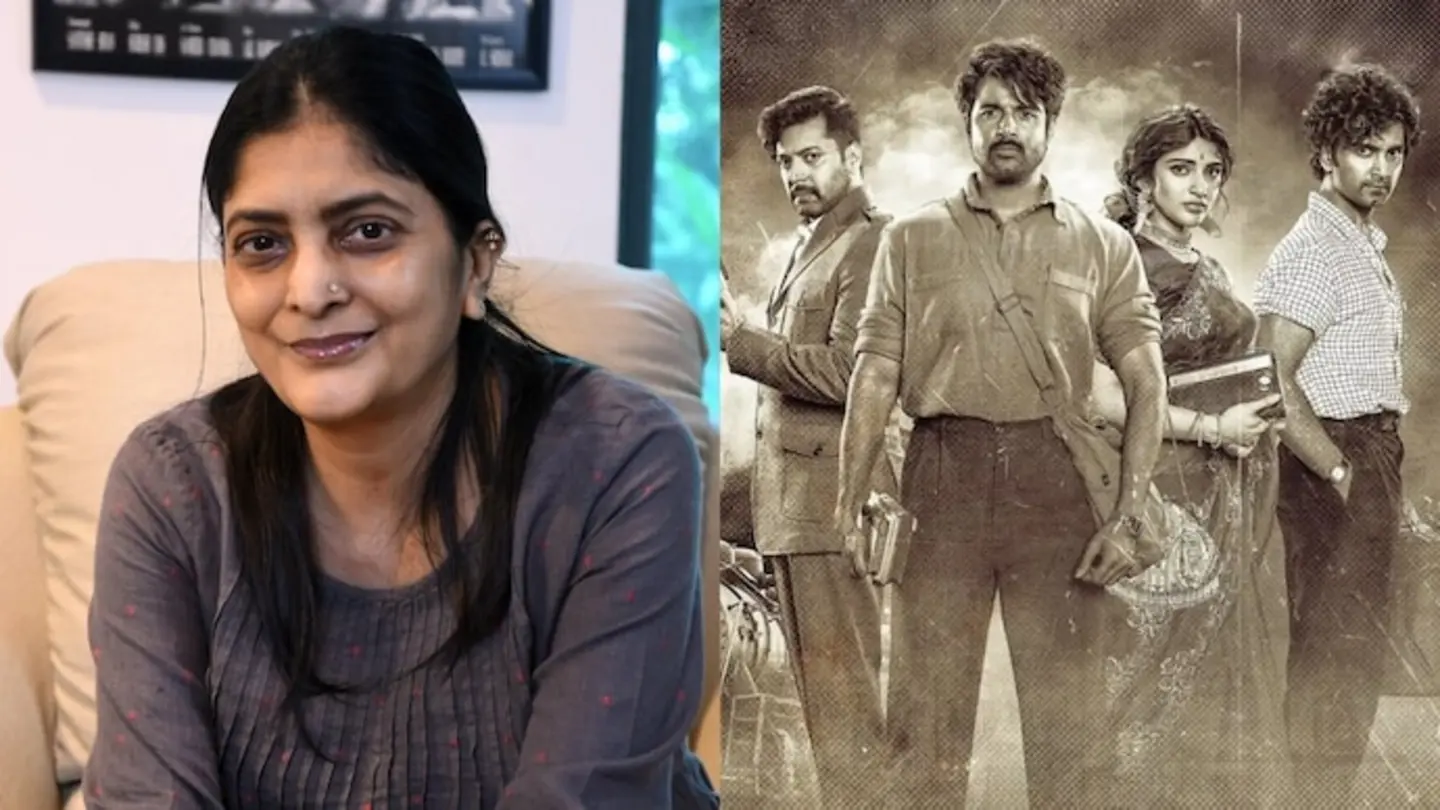
Sudha Kongara, the acclaimed director of the Tamil film Parasakthi, has spoken out against the intense censorship and backlash the movie has faced since its release. In an exclusive interview with The Hollywood Reporter India, Kongara detailed the severity of the criticism, characterizing it as “slandering” and “defamation of the worst kind.” The film, a fictionalized account inspired by the life of former Tamil Nadu Chief Minister J. Jayalalithaa, has ignited controversy and drawn significant opposition.
Kongara explained that the criticism extends beyond mere disagreement with the film’s narrative. She alleges a deliberate campaign to discredit her and the movie, involving false accusations and personal attacks. The director expressed her shock at the level of vitriol directed towards her, emphasizing the damaging impact on her reputation and career. She stated that the attacks are not focused on artistic merit but are instead aimed at character assassination.
Controversy and Legal Challenges
The film’s release was preceded by legal challenges, with attempts made to halt its screening. Despite these hurdles, Parasakthi was released and quickly became a talking point, sparking heated debates about artistic license, political representation, and the portrayal of public figures. Kongara acknowledged the sensitivity surrounding the subject matter but defended her right to tell a story inspired by real events. She maintained that the film is a work of fiction and does not claim to be a factual biography.
Kongara further elaborated on the specific nature of the defamation, citing instances of fabricated stories and misleading information being circulated online. She expressed concern about the potential long-term consequences of these attacks, both for herself and for the industry as a whole. The director believes that the backlash is a chilling effect on creative expression and could discourage filmmakers from tackling sensitive or controversial subjects.
The director also touched upon the challenges faced by female filmmakers in the Indian film industry, suggesting that the intensity of the criticism she has received may be partly due to her gender. She emphasized the need for greater support and protection for women working in the industry, particularly those who are willing to take risks and push boundaries. Kongara hopes that her experience will raise awareness about the issues of censorship and defamation and encourage a more open and tolerant environment for filmmakers.
Kongara’s statements underscore the complex relationship between art, politics, and public perception in India. The controversy surrounding Parasakthi serves as a reminder of the potential risks and rewards of tackling sensitive subjects and the importance of protecting artistic freedom. The director remains resolute in her commitment to storytelling and hopes that her work will continue to spark dialogue and inspire change.
Image Source: Google | Image Credit: Respective Owner