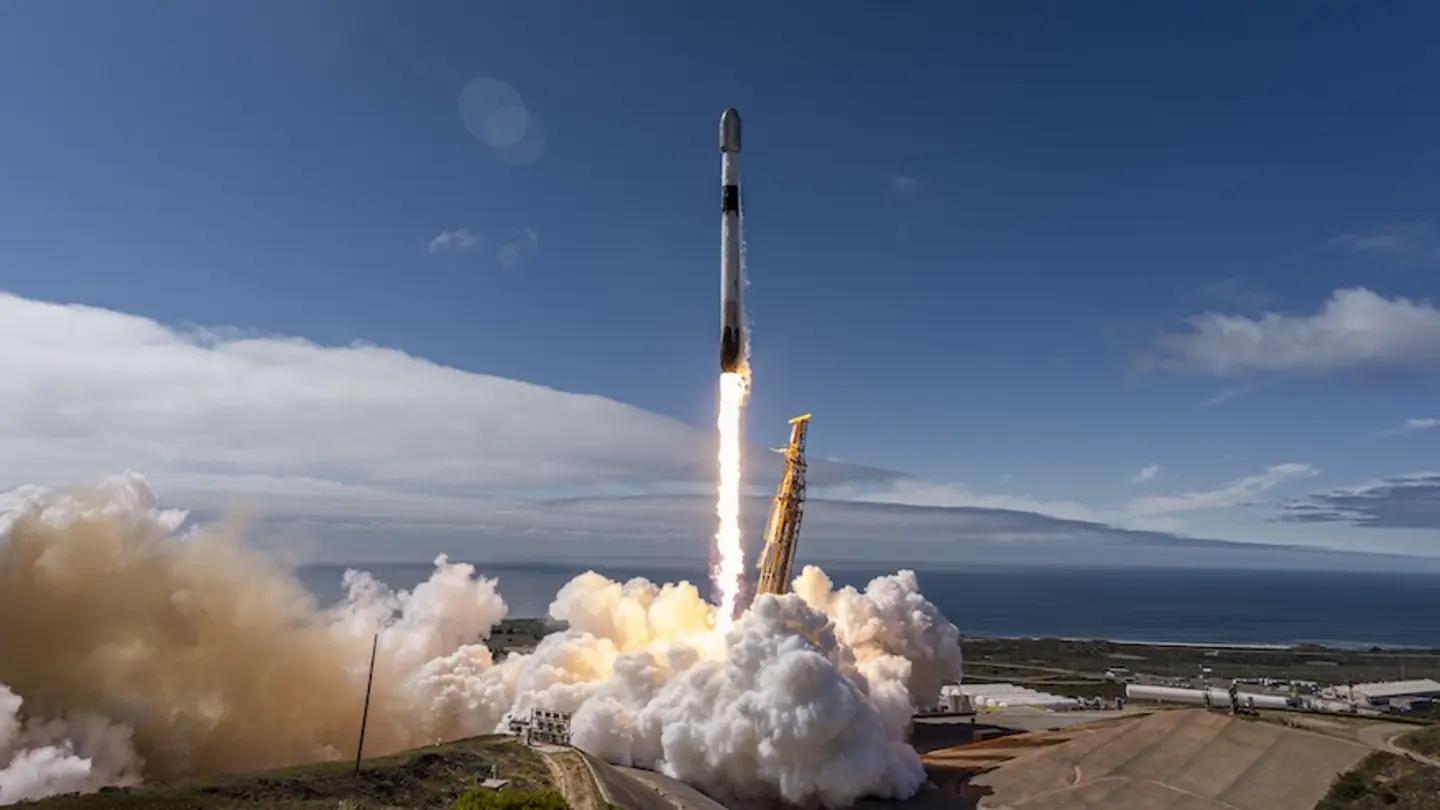
SpaceX successfully launched the ninth next-generation GPS satellite for the United States Space Force on Thursday, continuing its crucial role in modernizing the global positioning system. The Falcon 9 rocket lifted off from Cape Canaveral Space Force Station in Florida, carrying the GPS III-SV satellite into orbit. This launch represents a significant step forward in enhancing the accuracy, reliability, and security of GPS services, vital for both civilian and military applications.
The GPS III series of satellites, built by Lockheed Martin, introduces several advancements over its predecessors. These include a more accurate and stable atomic clock, Leo (Launch and Early Operations) atomic clocks, and a new civilian signal, L1C, which is interoperable with other global navigation satellite systems, like Galileo. These improvements translate into more precise positioning data for users around the world.
Modernizing the Global Positioning System
The Space Force is currently undertaking a comprehensive modernization effort of the GPS constellation, aiming to replace older satellites with these newer, more capable versions. The GPS system is critical infrastructure, powering a wide range of technologies from navigation apps on smartphones to precision-guided munitions. Maintaining its superiority is a strategic priority for the United States.
This particular satellite, GPS III-SV, is distinguished by its enhanced cybersecurity features. In an increasingly contested space environment, protecting GPS signals from jamming and spoofing is paramount. The advanced encryption capabilities onboard the satellite are designed to safeguard against these threats, ensuring continued operational availability.
SpaceX’s role in these launches has been instrumental. The company has consistently demonstrated its ability to deliver satellites to precise orbits with remarkable reliability. The reuse of Falcon 9 rocket boosters is also contributing to cost savings for the Space Force. Following stage separation, the first stage booster successfully landed on the drone ship ‘A Shortfall of Gravitas’ in the Atlantic Ocean, marking another successful recovery.
The entire deployment sequence, including solar panel and antenna activation, is expected to take several weeks. Once fully operational, the GPS III-SV satellite will join the existing constellation of GPS satellites, broadcasting signals that enable precise positioning, navigation, and timing services globally. The launch underscores the growing partnership between the U.S. Space Force and private space companies like SpaceX in maintaining and improving vital space-based assets.
This latest success brings the total number of GPS satellites launched by SpaceX to nine, solidifying their position as a key partner in the program. The ongoing modernization will continue with further launches planned over the coming years, ensuring that GPS remains a leading navigation system for decades to come. The capabilities built into these new satellites are crucial for maintaining the US’s strategic advantage and supporting global economic activity dependent on accurate positioning information.
Image Source: Google | Image Credit: Respective Owner