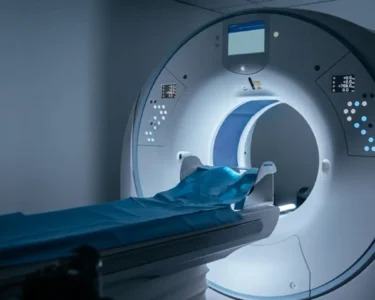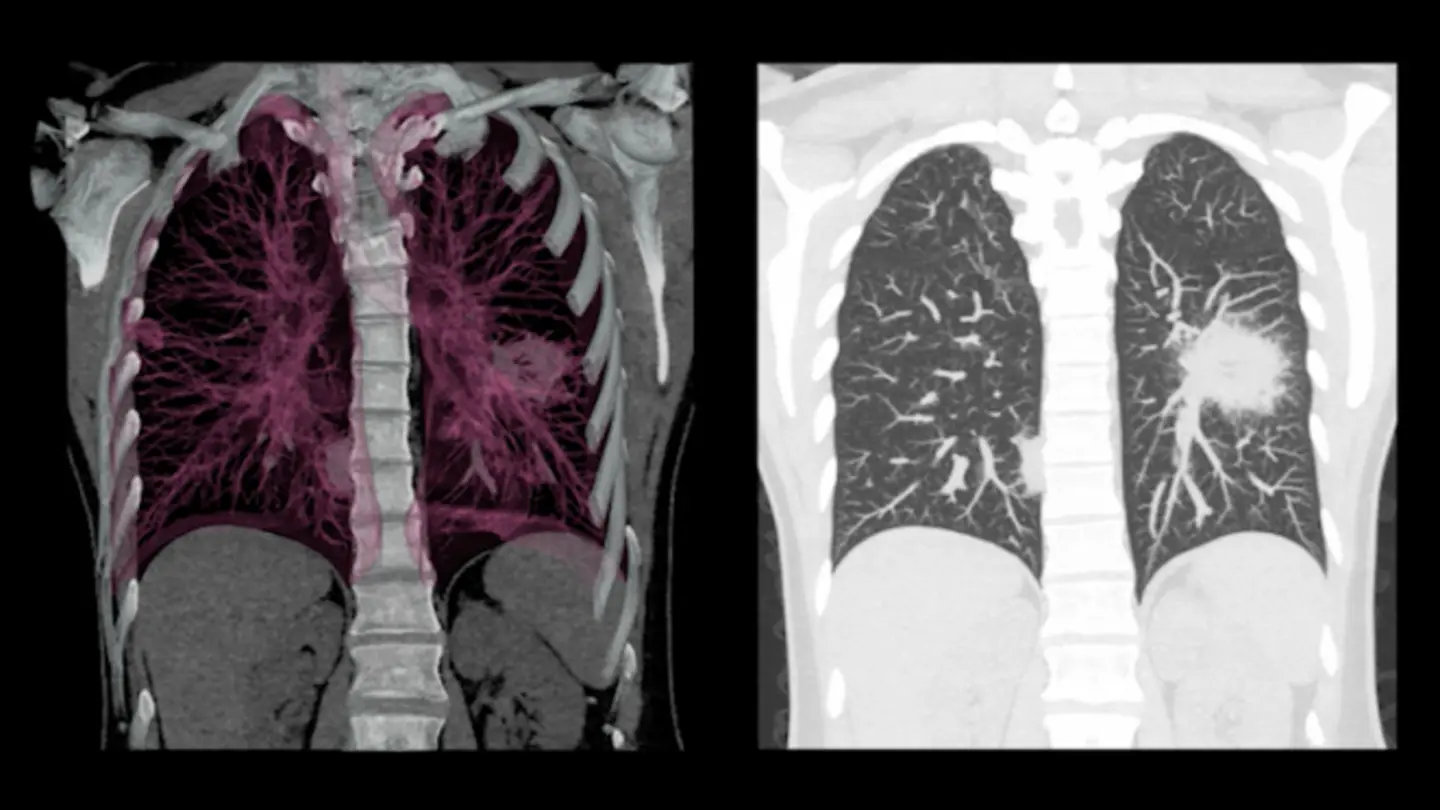
New research presented at the European Lung Cancer Congress (ELCC) indicates that lung cancer screening programs are significantly more beneficial for individuals who have recently quit smoking. The study, led by researchers at the University Medical Centre Ljubljana in Slovenia, suggests a clear link between recent smoking cessation and improved detection rates, earlier staging, and ultimately, better outcomes for patients participating in screening.
Lung cancer remains the leading cause of cancer death worldwide, and early detection is crucial for improving survival rates. Low-dose computed tomography (LDCT) screening has been proven effective in identifying lung cancers at earlier, more treatable stages. However, the effectiveness of these programs varies depending on factors like smoking history and age. This study delves deeper into how recent quitting impacts screening benefits.
The retrospective analysis examined data from over 4,000 participants in the Slovenian national lung cancer screening program, the largest of its kind in Europe. Researchers meticulously tracked smoking status at the time of screening and correlated it with key outcomes, including the incidence of detected lung cancers, their stage at diagnosis, and the types of interventions required.
The results demonstrated a compelling trend: individuals who had quit smoking within the past two years showed a significantly higher rate of lung cancer detection compared to current smokers. Furthermore, the cancers detected in recent quitters were more likely to be stage I – the earliest and most curable stage – than those found in individuals who continued to smoke.
Implications for Screening Programs
This study has important implications for the design and implementation of lung cancer screening programs. Currently, many programs focus primarily on years smoked and age as risk factors, but these findings suggest that recent smoking cessation should be given greater weight.
“Our data suggest that individuals who have recently stopped smoking should be prioritized for lung cancer screening, as they are likely to benefit the most,” stated Dr. Irena Klavs, lead author of the study. “This means potentially adjusting screening intervals or utilizing more sensitive imaging techniques for this specific population.”
The researchers also highlight the potential for integrating smoking cessation support directly into lung cancer screening programs. Offering resources and counseling to help participants quit or remain abstinent could amplify the benefits of screening and further improve outcomes.
While the study focused on the Slovenian program, the researchers believe the findings are broadly applicable to other lung cancer screening initiatives. The biological mechanisms supporting these observations are also increasingly understood – quitting smoking reduces the rate of new mutations and allows the lungs to begin a process of repair, making early-stage cancers more detectable.
However, experts caution that screening isn’t a substitute for preventative measures. Avoiding smoking altogether remains the most effective way to reduce lung cancer risk, and these findings shouldn’t discourage non-smokers from maintaining a healthy lifestyle. The study targets those with a substantial smoking history who are actively trying to mitigate their risk through cessation. Further research is planned to optimize screening strategies based on varying periods of smoking abstinence and individual risk profiles. The ultimate goal is personalized screening that maximizes detection of treatable cancers and minimizes unnecessary procedures.
Image Source: Google | Image Credit: Respective Owner