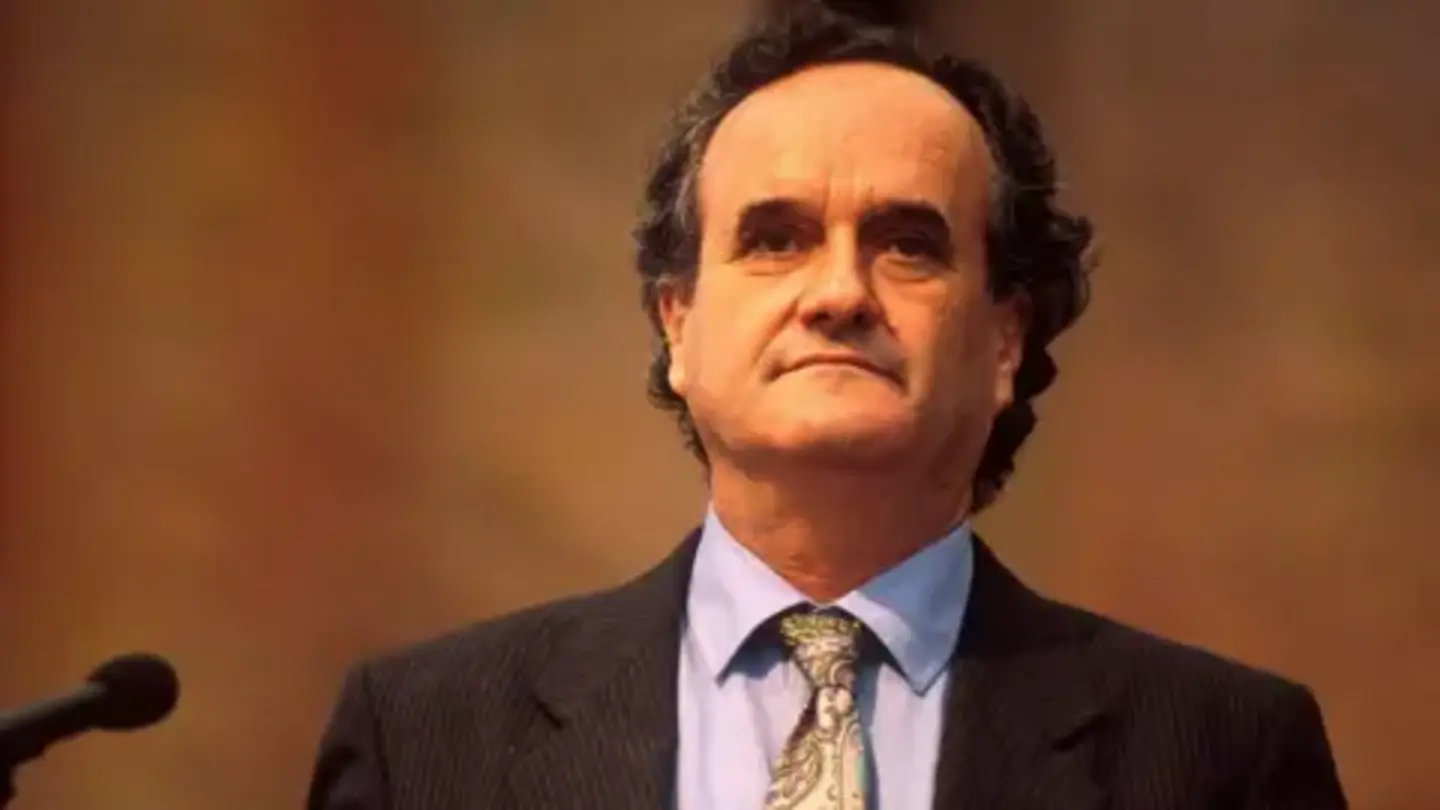
Sir Mark Tully, the renowned British journalist who became synonymous with reporting on India for the BBC, has died at the age of 90. His death was announced by the BBC, marking the end of an era for international journalism focused on the Indian subcontinent. Tully spent over two decades as the BBC’s India correspondent, becoming a trusted and familiar voice to millions through his insightful and nuanced coverage of the country’s political, social, and economic landscape.
Born in Calcutta (now Kolkata) in 1935, Tully’s early life was deeply intertwined with India. He was educated at Winchester College and Oxford University before joining the BBC in 1958. He initially worked on assignments in various parts of the world, but it was his return to India in 1965 that defined his career. He quickly established himself as a perceptive observer, navigating the complexities of Indian society with a rare blend of empathy and journalistic rigor.
A Witness to History
Tully’s reporting spanned some of India’s most pivotal moments, including the Indo-Pakistani wars of 1965 and 1971, the Emergency imposed by Indira Gandhi in the 1970s, and the rise of Hindu nationalism in the 1980s and 1990s. He was particularly known for his coverage of the 1984 Bhopal gas tragedy, which earned him widespread acclaim for its sensitivity and thoroughness. He didn’t just report *on* India; he seemed to report *from within* India, understanding the cultural context and the human stories behind the headlines.
His style was characterized by a deliberate pace, allowing for detailed explanations and thoughtful analysis. Unlike many foreign correspondents who operated from a distance, Tully made a conscious effort to immerse himself in Indian life, learning Hindi and traveling extensively throughout the country. This commitment to understanding the local perspective earned him the respect of both his Indian audience and his journalistic peers.
Tully’s work extended beyond news reporting. He authored several books on India, including “An Unfinished Journey” and “India’s Unending Journey,” which further explored the country’s history, culture, and challenges. These books became bestsellers and cemented his reputation as a leading authority on India.
He retired from full-time journalism in 1994, but remained actively involved in discussions about India and the role of the media. He continued to contribute to the BBC and other publications, offering his unique insights on contemporary issues. His departure from India was somewhat controversial, stemming from disagreements with the BBC over editorial policy and the coverage of the Babri Masjid demolition. Despite this, his legacy as the “voice of India” for the BBC remains firmly established.
Tributes have poured in from across the globe, recognizing Tully’s exceptional contribution to journalism and his deep affection for India. He is remembered not only for his professional achievements but also for his humility, integrity, and genuine concern for the people of India. His passing represents a significant loss for the world of journalism and for all those who valued his informed and compassionate reporting.
Image Source: Google | Image Credit: Respective Owner