Researchers have unveiled a comprehensive new atlas detailing the complex cellular landscape of gliomas, aggressive brain tumors. This groundbreaking resource, published in Nature, promises to significantly advance understanding of these cancers and pave the way for more targeted and effective therapies.
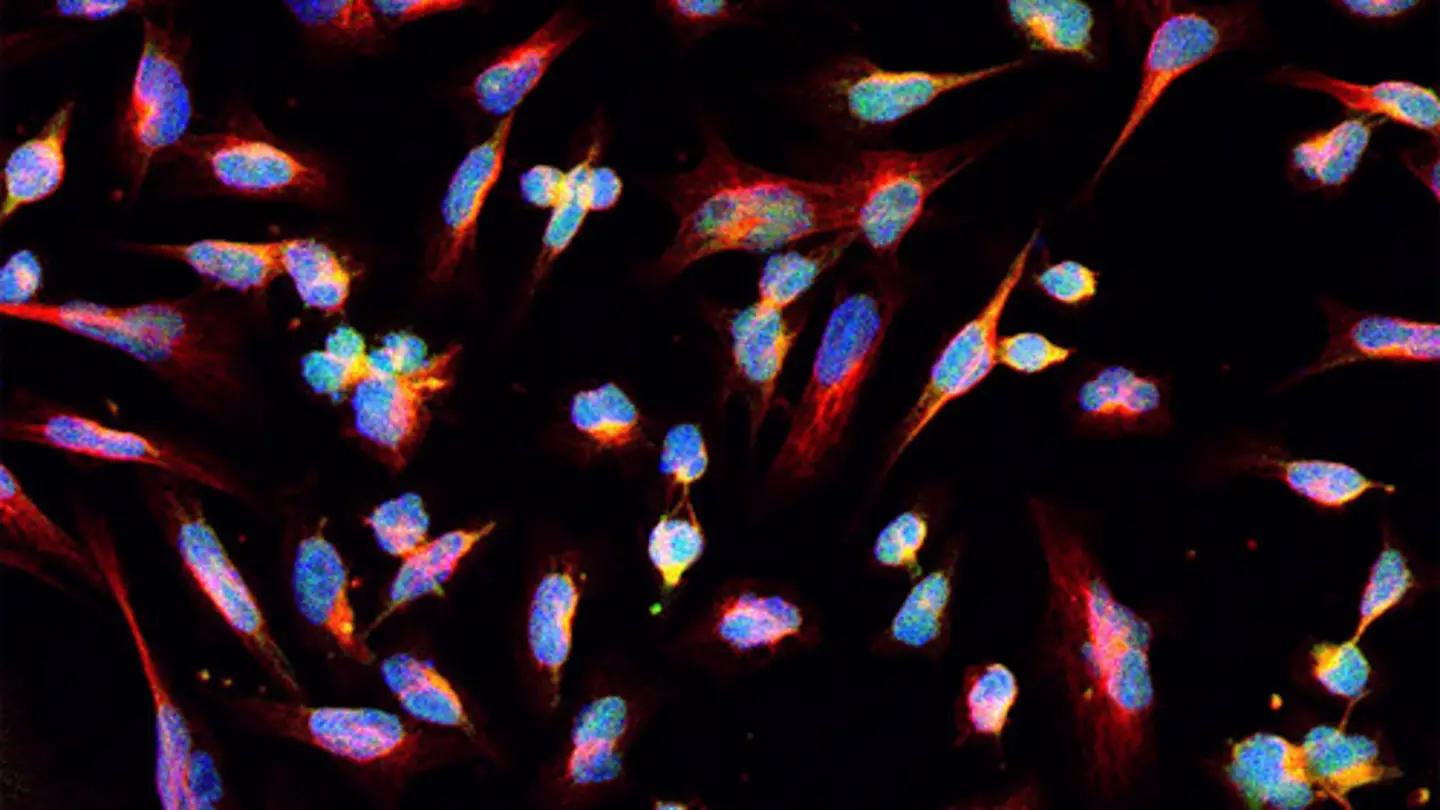
The atlas, created by an international team led by the European Molecular Biology Laboratory (EMBL) in Heidelberg, Germany, and the Wellcome Sanger Institute in Cambridge, UK, utilizes single-cell RNA sequencing to map the diverse range of cells within gliomas with unprecedented resolution. Previous studies often analyzed bulk tumor samples, obscuring the heterogeneity of cell types and their individual characteristics. This new approach allows scientists to identify and characterize each cell individually, revealing a far more nuanced picture of tumor composition.
Unveiling Cellular Diversity
Gliomas aren’t simply masses of cancerous cells. They contain a variety of other cell types, including immune cells, blood vessel cells, and cells that form the supporting structure of the brain. The atlas demonstrates that even within these non-cancerous populations, there’s substantial diversity. Different subtypes of immune cells, for example, can either promote or suppress tumor growth, a critical distinction for developing immunotherapies.
The research team analyzed over 100,000 individual cells from 33 glioma patients, representing different grades and subtypes of the disease. This large-scale analysis revealed previously unknown cell states and interactions, highlighting the intricate ecosystem within the tumor. One key finding is the identification of specific cellular signatures associated with treatment resistance, offering potential targets for overcoming this major clinical challenge.
“What we’ve done is create a detailed map of all the different cells in a glioma tumor,” explained Dr. Moritz Hackl, a senior scientist at EMBL and co-lead author of the study. “This map shows us not only what types of cells are present, but also how they interact with each other and how they change over time.”
The atlas also sheds light on the origins of glioma cells. Researchers were able to trace the developmental pathways of different cell types, identifying potential vulnerabilities that could be exploited therapeutically. Understanding how these tumors evolve from normal brain cells is crucial for preventing their formation and progression.
The data generated by this study is publicly available, allowing researchers worldwide to access and utilize this valuable resource. The team anticipates that the atlas will accelerate the development of new diagnostic tools, personalized treatment strategies, and ultimately, improved outcomes for patients battling gliomas. Future research will focus on applying this single-cell approach to other types of brain tumors and investigating how the tumor microenvironment influences treatment response.
This detailed cellular map represents a significant leap forward in glioma research, moving beyond broad classifications to a more precise understanding of the disease’s underlying biology. The hope is that this knowledge will translate into tangible benefits for patients, offering new hope in the fight against these devastating brain cancers.
Image Source: Google | Image Credit: Respective Owner