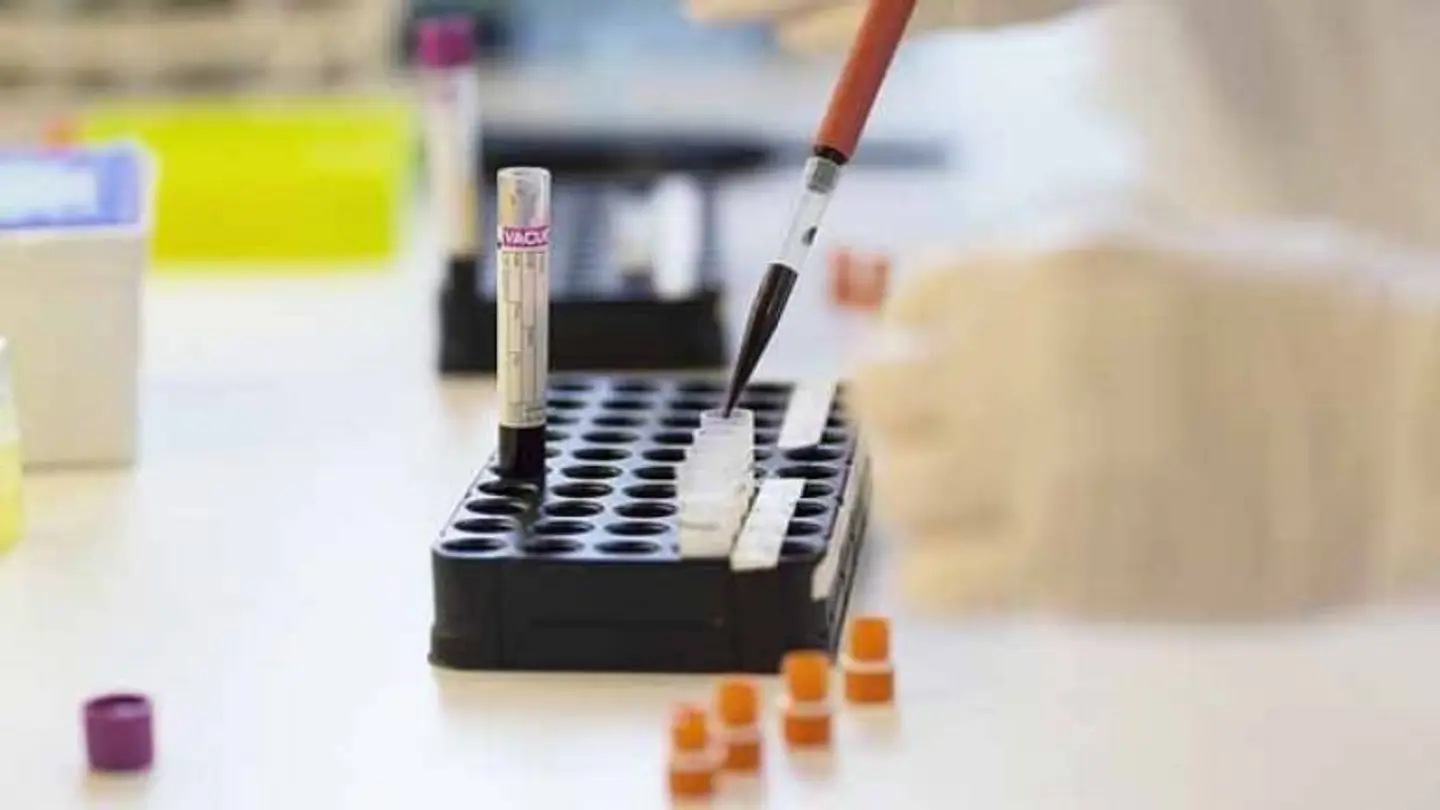
Researchers have developed a revolutionary blood test that can detect and monitor lung cancer in real time, representing a significant breakthrough in cancer diagnostics. The test utilizes advanced liquid biopsy technology to identify cancer biomarkers circulating in the bloodstream, offering a non-invasive alternative to traditional tissue biopsies.
This innovative diagnostic approach provides physicians with unprecedented ability to track cancer progression and treatment response over time. Unlike conventional imaging methods that require weeks between scans, the blood test can deliver results within hours, enabling rapid clinical decision-making and personalized treatment adjustments.
The technology works by analyzing circulating tumor DNA (ctDNA) and other cancer-specific biomarkers that tumors release into the bloodstream. These molecular signatures provide detailed information about the cancer’s genetic profile, mutation status, and therapeutic resistance patterns. The test’s sensitivity allows detection of even small amounts of cancer DNA, making it effective for early-stage disease monitoring.
Clinical validation studies have demonstrated the test’s accuracy in detecting lung cancer across various stages, from early localized disease to advanced metastatic cancer. The real-time monitoring capability is particularly valuable for patients undergoing targeted therapies or immunotherapy, where treatment response must be assessed frequently to optimize outcomes.
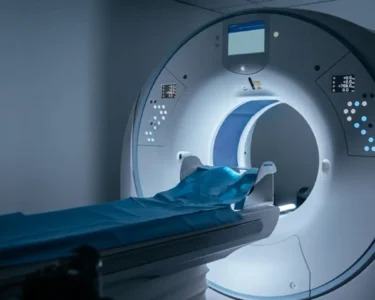
Implementation of this technology could transform lung cancer management by reducing the need for frequent CT scans and invasive procedures. Patients would benefit from reduced radiation exposure, lower healthcare costs, and improved quality of life through less invasive monitoring protocols.
The development aligns with global efforts to improve cancer survival rates through early detection and precision medicine. Lung cancer remains the leading cause of cancer-related deaths worldwide, with late-stage diagnosis contributing significantly to poor outcomes. This blood test could help shift the diagnostic paradigm toward earlier intervention.
Healthcare systems may integrate this technology into routine cancer surveillance programs, potentially expanding access to advanced diagnostic tools in resource-limited settings. The test’s scalability and relatively low cost compared to imaging modalities make it attractive for widespread clinical adoption.
Future research directions include expanding the test’s applications to other cancer types and combining multiple biomarker panels for comprehensive cancer screening. Regulatory approvals and clinical guideline incorporation will be crucial next steps for broader implementation.