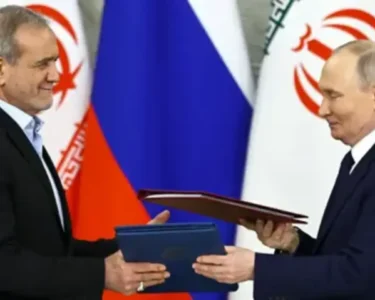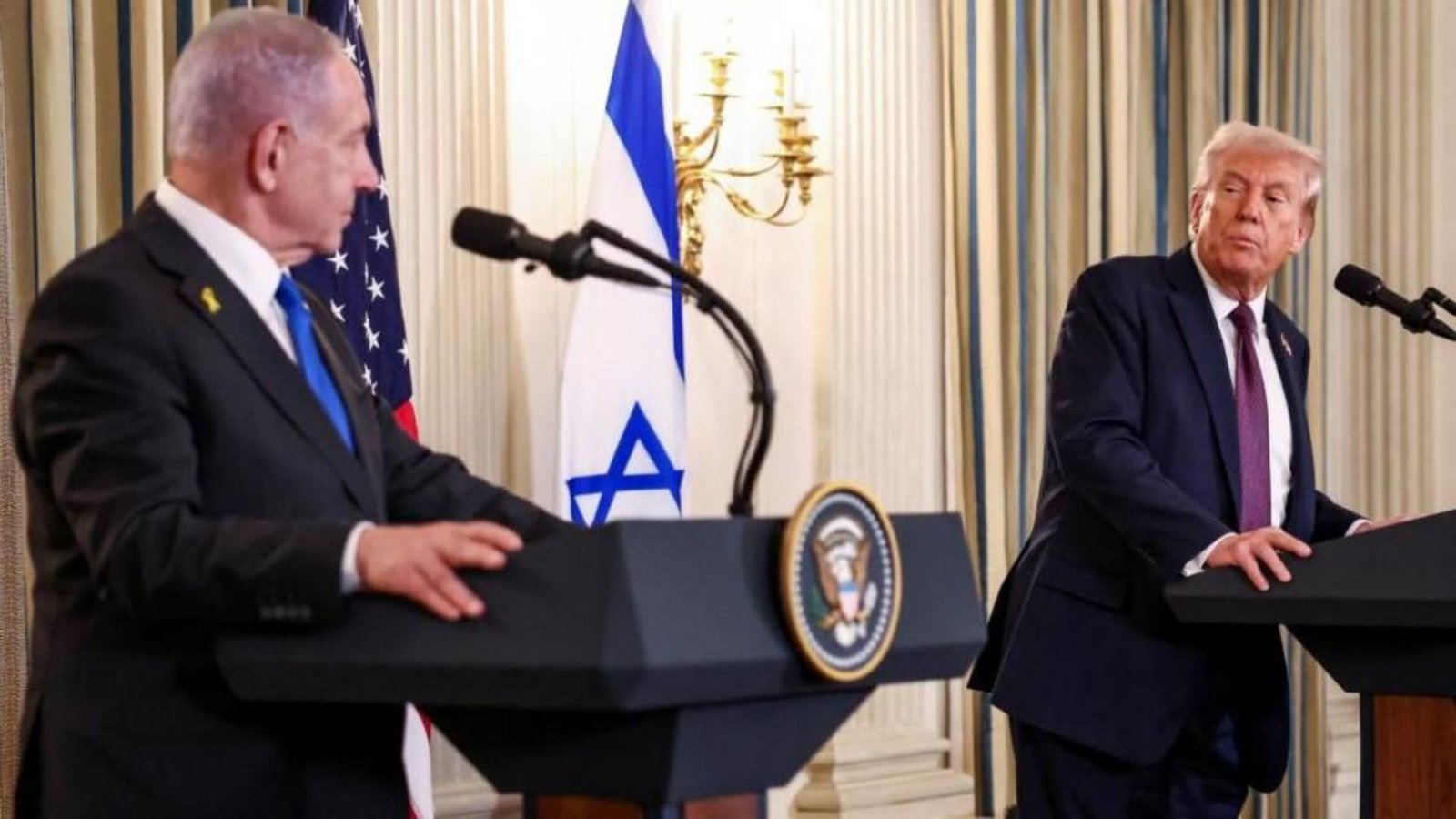
Israeli Prime Minister Benjamin Netanyahu has reportedly agreed to a plan, allegedly backed by former US President Donald Trump, to end the ongoing conflict in Gaza, according to India Today. The plan’s success hinges on whether Hamas, the governing body of Gaza, will cooperate, and their current stance remains a significant question mark. Details of the plan remain largely undisclosed, but its core objective is understood to be achieving a lasting ceasefire and establishing a stable post-conflict environment.
The proposed strategy seemingly aligns with Trump’s previous approach to the Israeli-Palestinian conflict, which involved prioritizing Israeli security concerns and seeking regional partnerships to foster stability. However, the current geopolitical landscape differs considerably from when Trump was in office, particularly with ongoing tensions in the region and shifting alliances. The report suggests the plan incorporates mechanisms to curtail Hamas’ influence and prevent future escalations of violence.
Hamas’s Crucial Role
Hamas’s response is critical. Their willingness to engage constructively in negotiations, or their continued adherence to a hardline stance, will profoundly impact the plan’s viability. Previous attempts at brokering ceasefires have often faltered due to disagreements over key issues such as prisoner exchanges, the lifting of the blockade on Gaza, and guarantees of non-recurrence of hostilities. The international community is closely watching Hamas’s reaction, as it could potentially pave the way for a more comprehensive peace process.
Potential Obstacles
Several potential obstacles could hinder the plan’s progress. These include deeply entrenched distrust between the parties, the involvement of other regional actors with differing agendas, and the complex political dynamics within both Israel and Palestine. Any lasting solution would require addressing the underlying causes of the conflict, including the status of Jerusalem, the right of return for Palestinian refugees, and the establishment of a viable Palestinian state. Whether Trump’s plan adequately addresses these core issues remains to be seen. The plan also needs international buy-in to become a success.
Implications for the Region
If successful, the plan could represent a significant step toward de-escalation and stabilization in the Middle East. However, failure to achieve a lasting resolution could further exacerbate tensions and potentially lead to renewed cycles of violence. The international community continues to urge all parties to prioritize dialogue and compromise in the pursuit of a just and sustainable peace. This alleged Trump plan could be the first step toward such a peace, but it relies on many factors outside of any single entity’s control.
The report emphasizes that Netanyahu’s agreement is just the first step and a lot more diplomacy and discussion will be needed.
Image Source: Google | Image Credit: Respective Owner