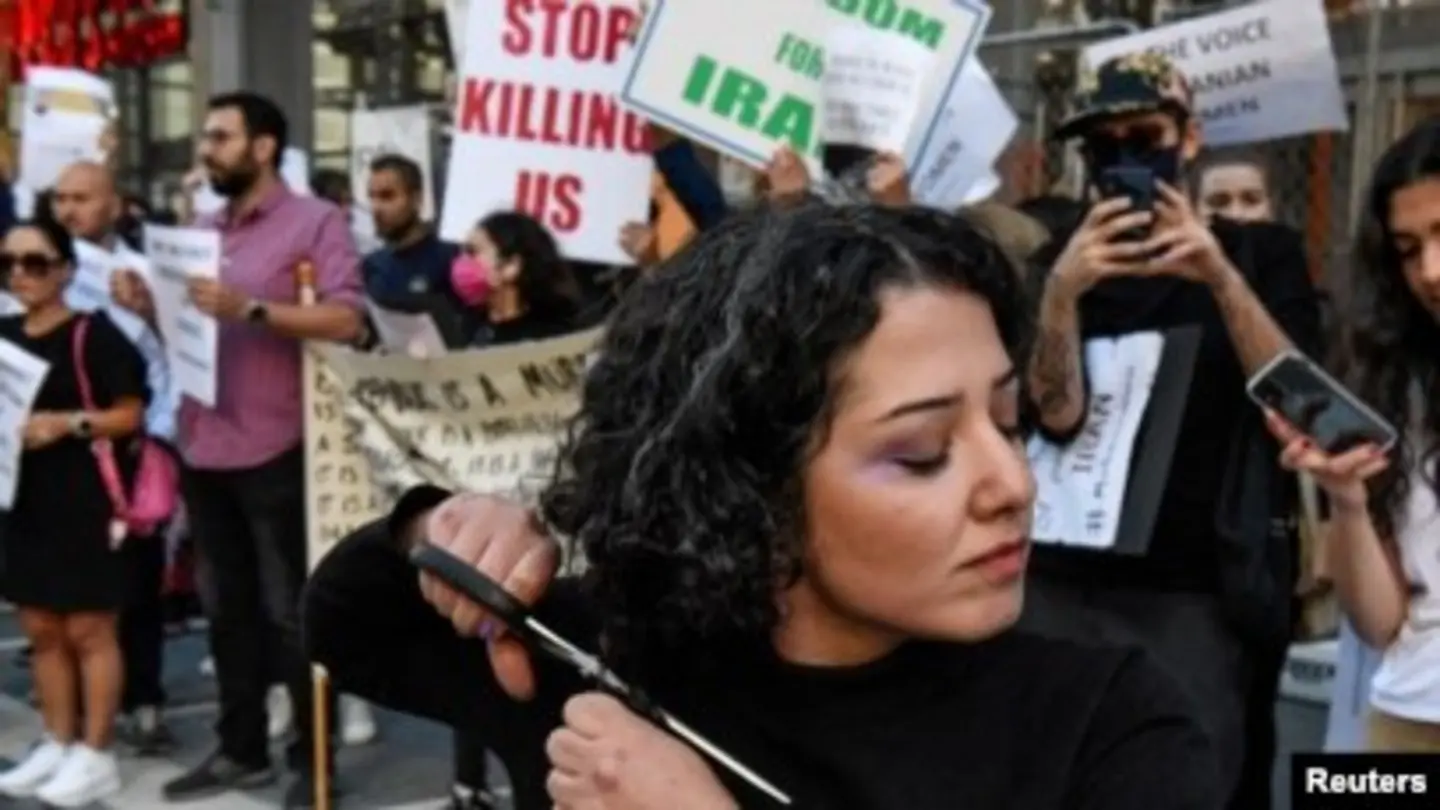
Tehran, Iran – Protests across Iran are escalating, prompting a stern warning from Attorney General Mohammad Jafar Montazeri regarding the potential application of the death penalty to those deemed “enemies of God.” The demonstrations, initially sparked by the death of Mahsa Amini in September after her arrest for allegedly violating Iran’s strict dress code, have broadened into a widespread challenge to the authority of the Islamic Republic.
Montazeri’s statement, delivered on Saturday, signals a hardening stance by the Iranian government towards the ongoing unrest. He specifically referenced individuals identified as “leaders of riots” and those who actively promote violence, stating they could face the most severe punishment under Iranian law. This declaration comes amidst reports of increasing clashes between protesters and security forces in several cities, including Tehran, Isfahan, and Karaj.
Escalating Protests and Government Response
The protests, initially focused on Amini’s death and the mandatory hijab laws, have evolved to encompass broader grievances related to economic hardship, political repression, and social restrictions. Demonstrators are increasingly calling for the overthrow of the current government and a more democratic system. Videos circulating on social media, though difficult to independently verify, depict widespread demonstrations, with protesters chanting anti-government slogans and clashing with riot police.
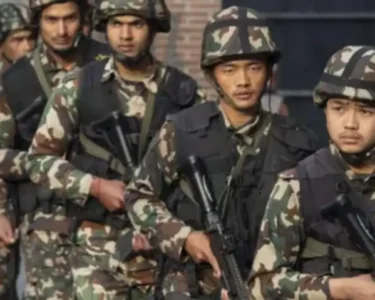
Security forces have responded with force, employing tear gas, water cannons, and, according to human rights organizations, live ammunition in some instances. Numerous arrests have been reported, and access to the internet has been severely restricted in an attempt to curb the flow of information and organize protests. The government has characterized the protests as foreign-backed attempts to destabilize the country.
International condemnation of the Iranian government’s crackdown on protests has been growing. Numerous countries and human rights groups have called for restraint and an end to the violence. The United Nations has also expressed concern over the escalating situation and urged the Iranian authorities to respect the rights of peaceful assembly and freedom of expression.
The Attorney General’s warning of the death penalty raises serious concerns about the potential for further escalation and a more brutal crackdown on dissent. Human rights organizations fear that the government may use the “enemy of God” charge to justify the execution of protesters and activists. The situation remains highly volatile, and the future trajectory of the protests remains uncertain. The Iranian government continues to maintain a firm grip on power, but the widespread and persistent nature of the demonstrations suggests a deep-seated discontent within the population.
Further reports indicate that the protests are impacting various sectors, including education, with students actively participating in demonstrations and boycotting classes. The economic impact is also becoming increasingly apparent, with disruptions to businesses and a decline in tourism. The coming days and weeks will be crucial in determining whether the protests can sustain their momentum or whether the government will succeed in suppressing the unrest.
Image Source: Google | Image Credit: Respective Owner