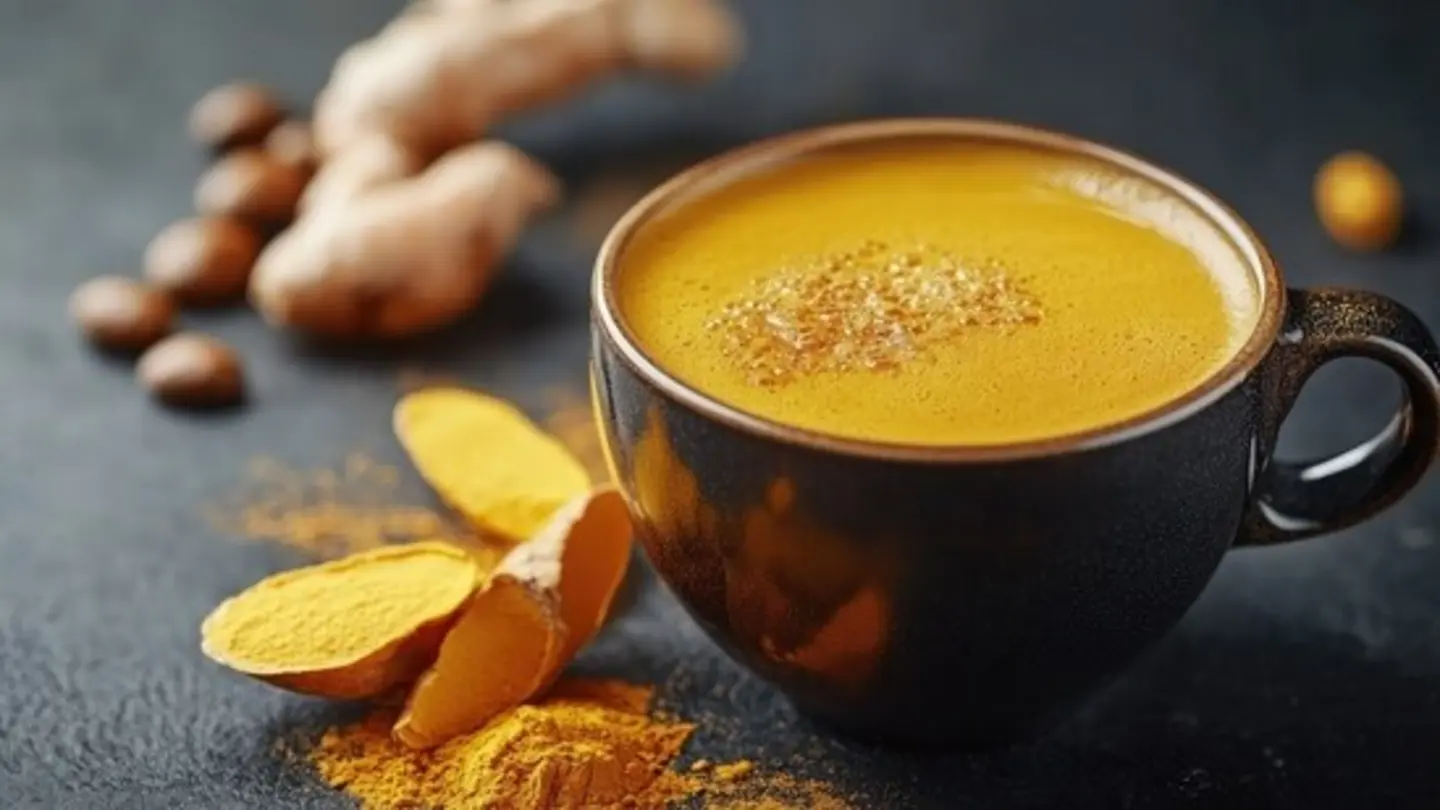
A Harvard-trained gastroenterologist has unveiled groundbreaking strategies to transform everyday morning coffee into a potent anti-inflammatory elixir, offering new hope for health-conscious consumers seeking natural wellness solutions.
Dr. Anil Sharma, a specialist in digestive health with over two decades of clinical experience, emphasizes that coffee’s inherent antioxidants can be significantly amplified through targeted additions. “Many people overlook that coffee’s benefits are deeply connected to how it’s prepared and what it’s paired with,” Dr. Sharma explained during a recent interview with CNBC TV18.
The core methodology involves incorporating anti-inflammatory ingredients directly into the coffee preparation. Turmeric, a golden spice rich in curcumin, stands out as a top recommendation. When combined with black coffee and a pinch of black pepper (to enhance curcumin absorption), this creates a synergistic effect that combats systemic inflammation—a key driver behind numerous chronic diseases.
Ginger, another powerful ally, should be freshly grated and added during the brewing process. “Ginger’s gingerol compounds actively inhibit inflammatory pathways in the body,” Dr. Sharma noted. He also advocates for a dash of cinnamon, which studies show can improve insulin sensitivity and reduce inflammatory markers in as little as six weeks of daily consumption.
Perhaps surprisingly, Dr. Sharma cautions against excessive cream or sugar, advising water-based additions instead. “The goal is to maintain coffee’s natural acidicinetic properties, which are crucial for triggering beneficial gut reactions,” he explained. He suggests a ratio of one teaspoon of turmeric, half a teaspoon of ginger, and a quarter teaspoon of cinnamon per eight ounces of brewed coffee.
The science behind these recommendations is robust. Research published in the Journal of Clinical Investigation demonstrates that curcumin can reduce inflammation by up to 33% in at-risk populations. Meanwhile, a 2023 meta-analysis in Nutrients found that regular ginger consumption correlates with significantly lower C-reactive protein levels—a key indicator of systemic inflammation.
While these modifications offer promising benefits, Dr. Sharma stresses they should complement—not replace—professional medical advice, particularly for individuals with existing gastrointestinal conditions. “Coffee remains a complex beverage, and individual responses can vary widely,” he cautioned. “Start with small doses and monitor your body’s response.”
Experts also highlight that timing matters. Consuming this enhanced coffee within 30 minutes of waking maximizes its anti-inflammatory potential by aligning with natural cortisol rhythms. Avoid consumption after noon to prevent sleep disruption—a common but often overlooked consideration in wellness routines.
The broader implications extend beyond personal health. With chronic inflammation linked to over 70% of modern diseases according to the World Health Organization, these simple dietary tweaks could form part of public health strategies. “It’s about creating sustainable habits that fit into daily life,” Dr. Sharma concluded. “You don’t need exotic ingredients—just awareness and consistency.”
As interest in preventive health grows, more researchers are examining everyday substances like coffee through this lens. Upcoming studies at Harvard’s T.H. Chan School of Public Health aim to quantify long-term health outcomes associated with these preparation methods. Until then, health-conscious coffee drinkers have a science-backed path to enhance their morning ritual.
Image Source: Google | Image Credit: Respective Owner