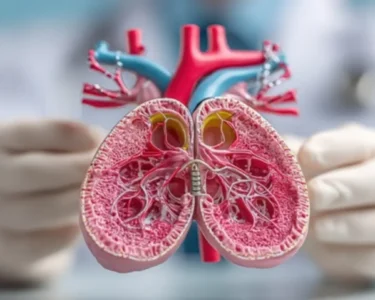
A growing debate surrounds the potential of ERAP2 (Endoplasmic Reticulum-Associated Protein 2) as a reliable biomarker for ovarian ageing, according to recent discussions within the medical community. The research, highlighted by the European Medical Journal, suggests that ERAP2 levels may correlate with a woman’s remaining reproductive lifespan, offering a potential tool for fertility assessment and family planning.
Currently, Anti-Müllerian Hormone (AMH) is the most widely used biomarker for ovarian reserve. However, AMH testing isn’t foolproof and can be influenced by factors beyond ovarian age, such as polycystic ovary syndrome (PCOS) and certain medications. This variability has driven the search for more accurate and consistent indicators.
ERAP2, involved in antigen processing and presentation, has emerged as a promising candidate. Studies indicate that its expression declines with age in ovarian tissue. Researchers believe this decline could reflect the diminishing quality and quantity of oocytes, the cells that develop into eggs. The potential advantage of ERAP2 lies in its more direct link to the ovarian ageing process itself, potentially offering a more precise measurement than AMH.
Challenges and Ongoing Research
Despite the encouraging findings, significant challenges remain before ERAP2 can be implemented in clinical practice. One key issue is standardization. Different laboratories may employ varying techniques for measuring ERAP2 levels, leading to inconsistent results. Establishing a universally accepted protocol is crucial for reliable assessment.
Furthermore, the research is still in its early stages. Larger, more diverse studies are needed to validate the initial findings and determine the predictive power of ERAP2 across different ethnicities and populations. Researchers are also investigating whether ERAP2 levels can predict success rates in assisted reproductive technologies (ART), such as in vitro fertilization (IVF).
The correlation between ERAP2 and ovarian reserve also needs further clarification. While initial data suggests a strong link, the exact nature of this relationship – whether ERAP2 is a direct cause or merely a consequence of ovarian ageing – remains unclear. Understanding this mechanism is vital for interpreting ERAP2 levels accurately.
The European Medical Journal’s coverage highlights the ongoing efforts to refine ERAP2 testing and explore its clinical applications. Experts emphasize the need for cautious optimism, acknowledging the potential benefits while stressing the importance of rigorous scientific validation. If proven reliable, ERAP2 could revolutionize fertility assessment, providing women with more informed insights into their reproductive health and empowering them to make proactive decisions about family planning. The development of a more accurate biomarker would also be beneficial for optimizing ART treatment strategies and improving success rates. Continued research and collaboration are essential to unlock the full potential of ERAP2 in the field of reproductive medicine.
Ultimately, the goal is to provide clinicians with a comprehensive toolkit for evaluating ovarian function, combining the strengths of existing biomarkers like AMH with potentially more precise indicators like ERAP2.
Image Source: Google | Image Credit: Respective Owner