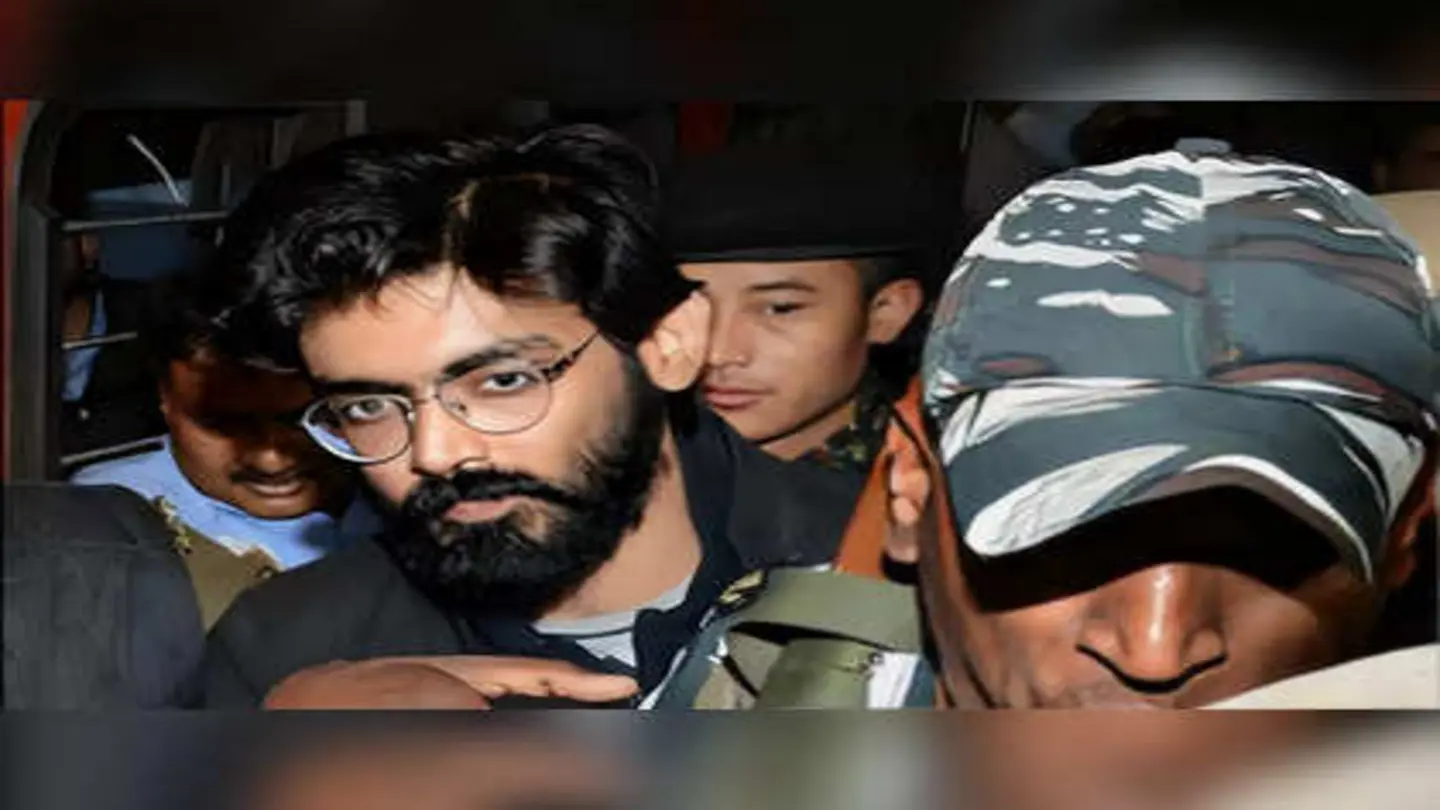
The Supreme Court is currently hearing arguments in the Delhi riots UAPA case, with a key focus on the role of Sharjeel Imam’s speeches. Police are presenting clips of Imam’s addresses as evidence to support their claims against the accused. The prosecution alleges that Imam’s speeches incited violence and played a significant role in the escalation of the riots that shook Delhi.
Arguments Presented
During the hearing, the police played specific excerpts from Imam’s speeches, highlighting what they claim are provocative and inflammatory statements. These excerpts are being used to demonstrate Imam’s alleged intent to create unrest and division within the community. The prosecution argues that the accused individuals were influenced by these speeches, leading them to participate in the riots. The defense, on the other hand, is contesting the authenticity and interpretation of the speeches, arguing that they have been taken out of context.
The defense team maintains that Imam’s speeches, while potentially controversial, do not directly incite violence and should be protected under the right to freedom of speech and expression. They further argue that there is no direct evidence linking Imam’s speeches to the specific acts of violence committed during the riots. According to the defense, the police are attempting to build a case based on circumstantial evidence and unsubstantiated claims.
The UAPA (Unlawful Activities Prevention Act) has been invoked in this case, allowing the police to detain the accused for extended periods without bail. The stringent nature of the UAPA has drawn criticism from human rights organizations and legal experts, who argue that it can be used to suppress dissent and violate fundamental rights. The defense is challenging the application of the UAPA in this case, arguing that the evidence does not meet the threshold required for such a severe charge.
The Supreme Court’s decision in this case will have significant implications for the interpretation and application of the UAPA, as well as the boundaries of free speech in India. The court is expected to carefully weigh the evidence presented by both sides before reaching a verdict. The ongoing hearing underscores the complexities and sensitivities surrounding the Delhi riots and the legal challenges in prosecuting those accused of involvement.
The outcome of this case will not only impact the individuals directly involved but also set a precedent for future cases involving allegations of incitement and violence. The Supreme Court’s ruling is eagerly awaited by legal scholars, human rights activists, and the general public, as it will shape the discourse on freedom of expression and the limits of state power in India.
The case continues to unfold with both sides presenting their arguments and evidence before the Supreme Court. The nation watches closely as the judiciary grapples with the delicate balance between national security and individual liberties in this highly charged environment.
Image Source: Google | Image Credit: Respective Owner