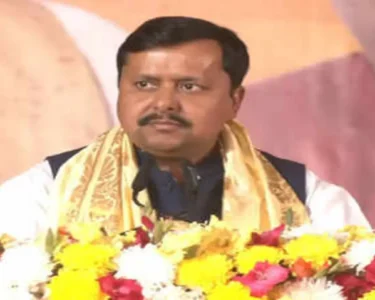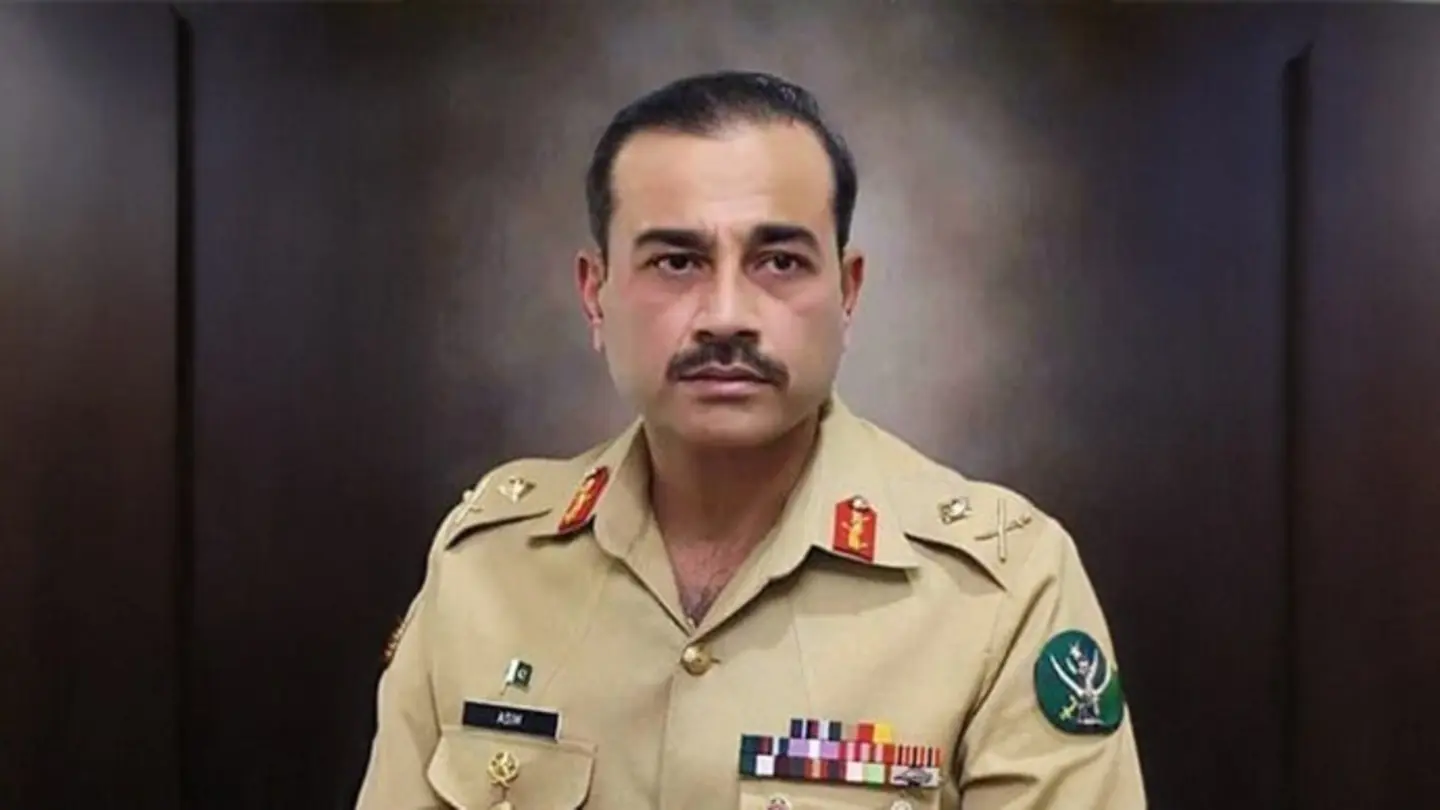
In his inaugural address as the Chief of Defence Staff of the Indian tri-services, General Asim Munir delivered a stark warning against national complacency and strategic misperceptions. Speaking to senior military officers and government representatives, the newly appointed chief emphasized that India must confront emerging geopolitical challenges with realism and preparedness.
Munir, who assumed command of the integrated defence framework following a decades-long career in the Pakistan Army, highlighted several critical vulnerabilities facing India. He specifically referenced escalating tensions along the northern border, evolving maritime security threats in the Indian Ocean region, and the growing influence of global powers in regional affairs. The general stressed that these multifaceted challenges require coordinated action across all branches of the armed forces.
The address marked a strategic shift in India’s defence rhetoric. Unlike previous leadership that often emphasized economic growth and diplomatic achievements, Munir focused squarely on military readiness and operational cohesion. “We cannot afford to operate under any illusions about our security environment,” he declared, warning that strategic ambiguities could prove disastrous in contingency scenarios.
Munir’s speech also addressed internal readiness issues, calling for accelerated modernization programs and improved inter-service communication protocols. He acknowledged persistent challenges in resource allocation and joint command structures, pledging personal oversight to resolve bureaucratic bottlenecks. “Integrated warfare demands integrated responses,” he stated, urging greater transparency in defence budgeting and procurement processes.
The general further emphasized cyber and space domain vulnerabilities, noting that modern conflicts increasingly manifest through non-kinetic means. He announced new initiatives to enhance electronic warfare capabilities and satellite defense mechanisms, recognizing these as critical components of national security architecture.
Political analysts have interpreted Munir’s direct approach as both a reflection of his military background and a response to recent security incidents. Some observers suggest his unambiguous language signals a deliberate effort to reset public expectations about defence priorities. The speech has already sparked debate in parliamentary circles about defence spending and strategic doctrine.
During the address, Munir also paid special attention to personnel welfare, announcing reforms aimed at improving veteran support systems and operational morale. He particularly highlighted the mental health challenges faced by service members deployed in high-stress zones, promising increased psychiatric support services.
The Chief of Defence Staff position represents India’s most ambitious attempt at military integration since independence. Created to streamline operations across the army, navy, and air force, the role has faced criticism over bureaucratic obstacles and unclear authority boundaries. Munir acknowledged these challenges but expressed confidence in his ability to unify the tri-services under coherent strategic vision.
Responding to questions about regional cooperation, Munir advocated for calibrated engagement with neighboring states while maintaining strategic autonomy. He stressed that India must balance diplomatic outreach with unwavering defence posture, particularly in light of shifting global alliances and emerging multipolar dynamics.
The address concluded with a call to action for civilian leadership, urging policymakers to prioritize long-term strategic planning over short-term political considerations. Munir emphasized that national security requires sustained investment and cross-party consensus, particularly regarding critical infrastructure protection and technological advancement.
Industry experts have praised Munir’s comprehensive approach, noting that his speech reflects deep understanding of contemporary warfare complexities. Defence analysts particularly welcomed his emphasis on hybrid threats and domain integration, suggesting these priorities may reshape India’s defence doctrine in coming years.
However, some critics question whether Munir’s vision can overcome entrenched bureaucratic resistance and resource constraints. Others remain skeptical about the practical implementation of his ambitious reform agenda, particularly regarding inter-service coordination and modernization backlogs.
Despite these challenges, the newly appointed chief has set an unambiguous tone for his tenure. His address signals a definitive shift toward more assertive strategic communication and operational focus, potentially redefining India’s approach to 21st century security complexities.
Image Source: Google | Image Credit: Respective Owner