Archaeologists have uncovered the oldest documented evidence of incestuous relationships in human history through skeletal remains dating back approximately 3,700 years. The discovery, made at an early Bronze Age site in Italy, provides unprecedented insight into the social practices and biological consequences of close-kin mating among ancient populations.
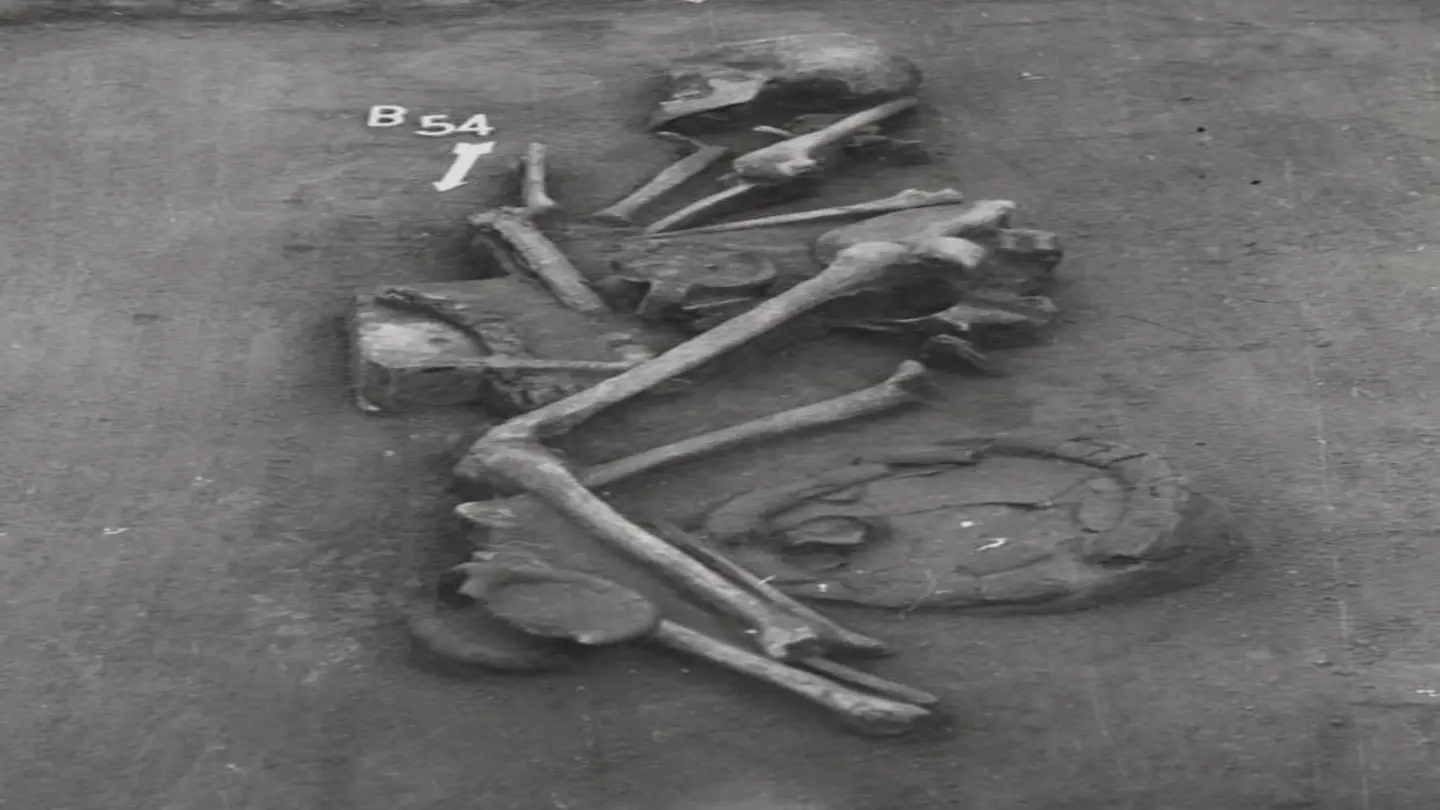
The research, recently published in a major archaeological journal, focused on skeletal remains found in a burial pit at the prehistoric site. Using advanced DNA analysis techniques, scientists were able to reconstruct the familial relationships between individuals interred together. The genetic evidence revealed a striking finding: the remains of a woman showed clear signs of being the daughter of a man with whom she had also produced offspring.
This represents the earliest confirmed case of second-degree incest in the archaeological record, predating previous findings by several centuries. The discovery challenges assumptions about the development of social taboos surrounding incest, suggesting that such practices persisted longer in human prehistory than previously believed.
The skeletal analysis revealed more than just familial connections. Researchers noted several unusual anatomical features in the woman’s remains, including dental abnormalities and developmental irregularities consistent with inbreeding depression. These physical manifestations provide biological corroboration of the genetic evidence, painting a comprehensive picture of the consequences of close-kin reproduction.
Advanced radiocarbon dating placed the remains firmly in the Early Bronze Age, around 1700 BCE. This timeframe corresponds to a period of significant social and technological transition in prehistoric Europe, when complex societies were beginning to form and long-distance trade networks were expanding across the continent.
The archaeological context of the burial provides crucial clues about the social status and treatment of the individuals involved. The grave goods and burial position suggest the woman held a relatively high status within her community, despite the biological evidence of her unconventional reproductive history. This raises important questions about how ancient societies viewed and managed incidents of incest.
Researchers employed cutting-edge paleogenomic techniques to extract and sequence DNA from the fragmentary remains. The analysis included mitochondrial DNA to trace maternal lineage, Y-chromosome markers for paternal descent, and autosomal DNA to establish the degree of relatedness between individuals. This multi-faceted approach allowed scientists to reconstruct family relationships with remarkable precision.
The discovery adds to a growing body of evidence suggesting that incest taboos developed gradually over time, rather than appearing suddenly in human history. Earlier populations may have practiced close-kin mating more frequently than modern societies, with social prohibitions emerging as populations grew and the genetic disadvantages became more apparent. This finding contributes significantly to our understanding of the evolution of human social behavior and family structures.
Image Source: Google | Image Credit: Respective Owner