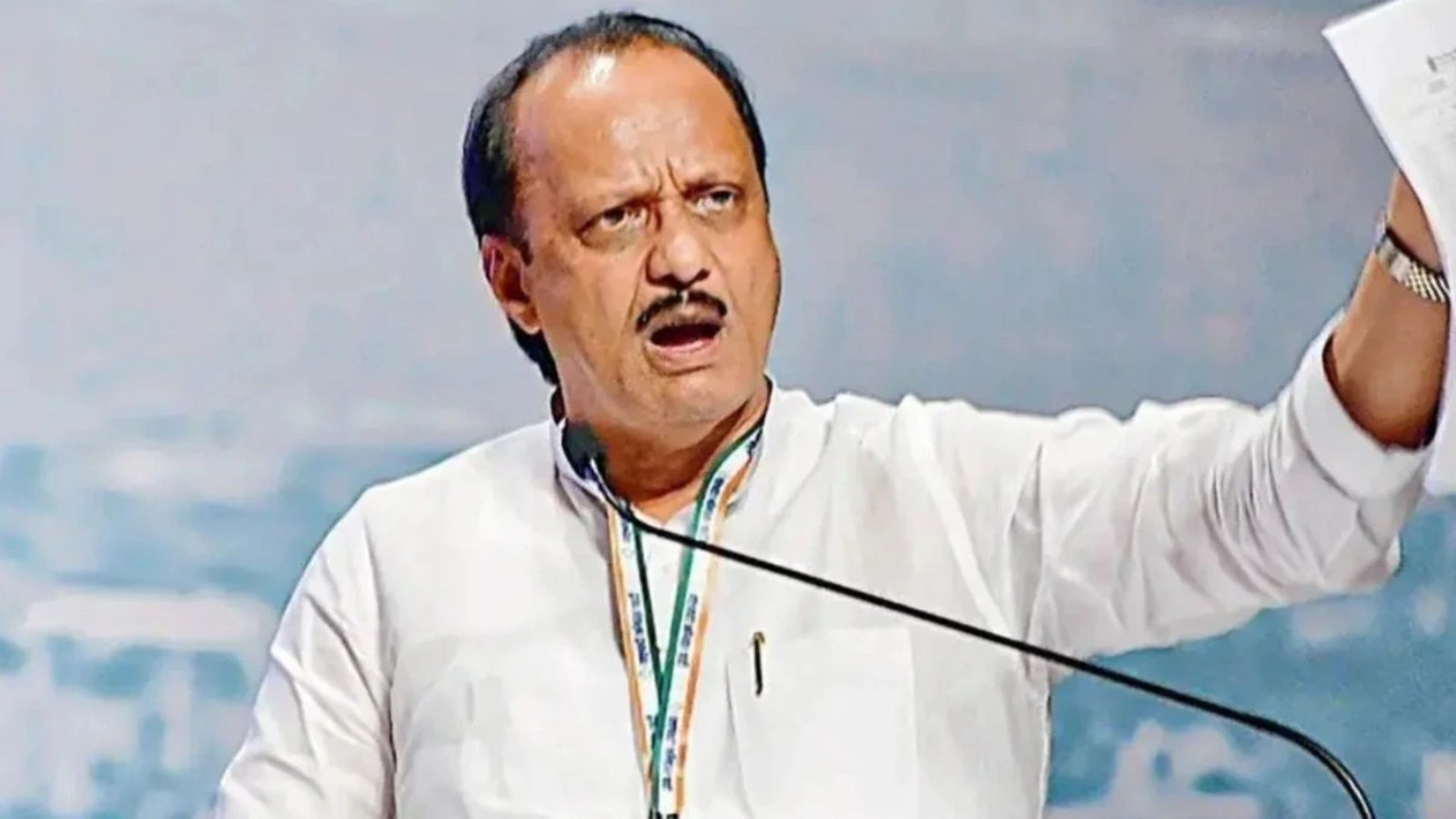
Maharashtra Deputy Chief Minister Ajit Pawar has ignited a political firestorm with remarks allegedly suggesting a quid pro quo between votes and development funds. Addressing voters, Pawar purportedly stated, “You have votes, I have funds,” implying that support for Nationalist Congress Party (NCP) candidates would unlock access to financial resources. The comments, reported by The Times of India, have drawn sharp criticism from opposition parties and sparked a debate on the ethical boundaries of election campaigning.
The controversy erupted as Maharashtra gears up for crucial elections, with various parties vying for power. Pawar’s statement, perceived by many as a blatant attempt to influence voters through financial incentives, has been widely condemned. Critics argue that such remarks undermine the integrity of the electoral process and erode public trust in political leaders.
Opposition Demands Investigation
Opposition leaders have called for a thorough investigation into Pawar’s remarks, demanding that the Election Commission of India (ECI) take cognizance of the matter. Accusations of bribery and undue influence have been leveled against the Deputy Chief Minister, with demands for his disqualification from holding public office. The ECI is expected to review the evidence and determine whether the statement constitutes a violation of the Model Code of Conduct, which governs the conduct of political parties and candidates during elections.
Pawar’s party, the NCP, has attempted to downplay the controversy, claiming that his remarks were taken out of context. Party spokespersons argue that Pawar was merely highlighting the importance of electing representatives who can effectively advocate for their constituencies and secure funding for development projects. However, this explanation has failed to quell the outrage, with critics pointing to the explicit nature of the alleged quid pro quo.
The incident underscores the pervasive issue of money power in Indian elections. Concerns about the use of illicit funds and inducements to sway voters have long plagued the electoral landscape. The ECI has been working to combat these practices, but challenges remain in enforcing regulations and preventing the abuse of financial resources. This incident serves as a stark reminder of the need for greater transparency and accountability in election financing.
The controversy surrounding Ajit Pawar’s remarks is likely to intensify as the elections approach. The ECI’s response will be closely watched, as it could set a precedent for dealing with similar cases of alleged electoral misconduct. The outcome of the elections will also be significantly impacted by the public perception of this incident and the broader debate on ethical governance and political integrity.
Image Source: Google | Image Credit: Respective Owner