A new initiative promoting open science principles is poised to significantly advance our understanding of heliopshysics – the study of the Sun and its influence on the solar system – and space weather, the conditions in space that can impact Earth and technological systems. The ESS Open Archive, highlighted in a recent publication, is central to this effort, providing a platform for researchers to freely share data, models, and software related to these critical fields.
The traditional model of scientific research often involves restricted access to data and methodologies, hindering collaboration and slowing down the pace of discovery. The ESS Open Archive directly addresses this challenge by fostering a more transparent and collaborative environment. By making research outputs openly available, scientists can build upon each other’s work more efficiently, validate findings, and accelerate the development of more accurate and reliable space weather forecasts.
Importance of Space Weather Prediction
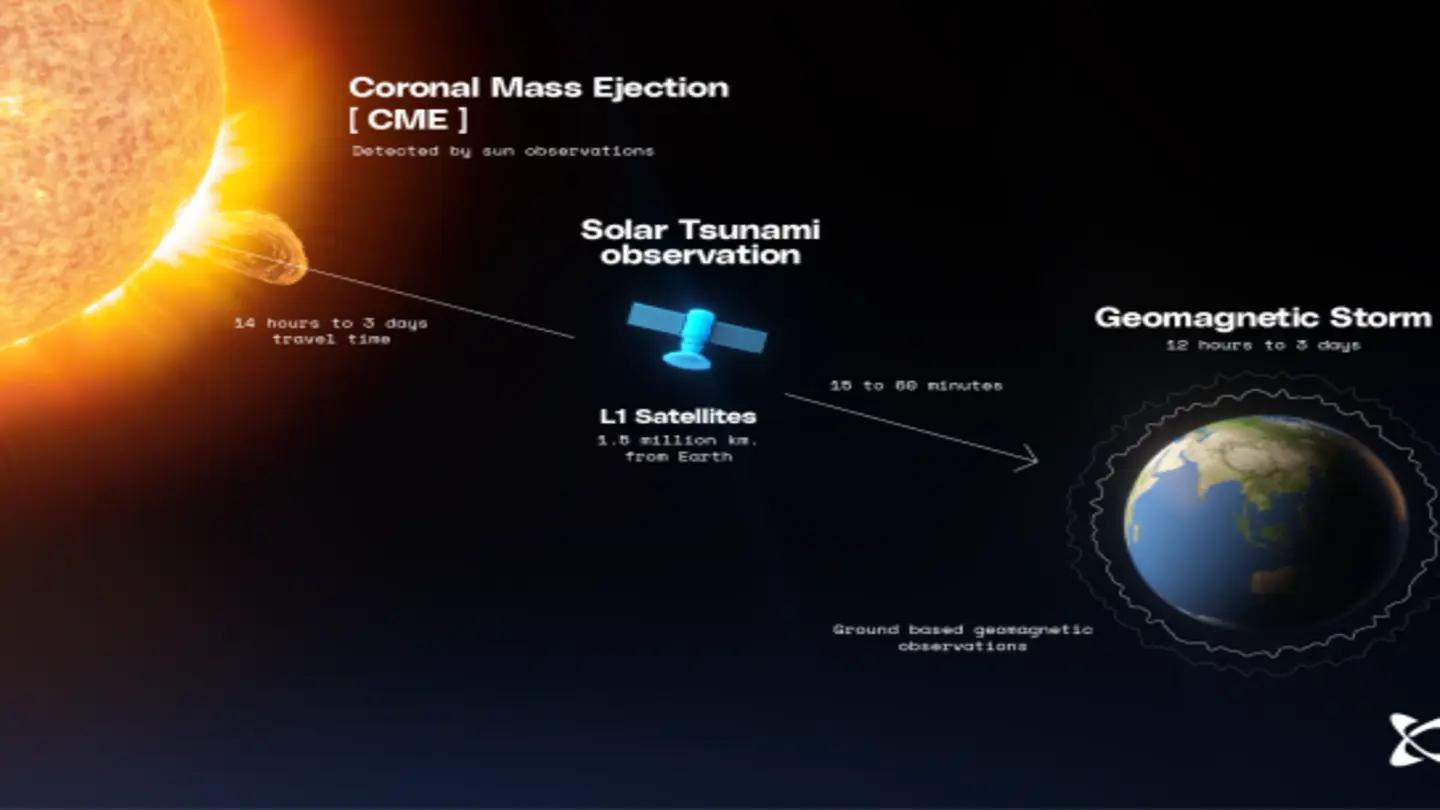
Accurate space weather prediction is increasingly vital in our technologically dependent world. Solar flares and coronal mass ejections (CMEs) can disrupt satellite communications, damage power grids, and pose risks to astronauts. Improved forecasting capabilities allow for proactive mitigation strategies, minimizing potential disruptions and protecting critical infrastructure. The open science approach championed by the ESS Open Archive is expected to contribute significantly to these improvements.
The archive isn’t simply a repository for data; it also encourages the sharing of the computational models used to analyze that data. This is particularly important because models are often complex and require significant expertise to develop and maintain. Openly sharing these models allows other researchers to scrutinize their assumptions, identify potential biases, and contribute to their refinement. Furthermore, it reduces redundancy in research efforts, preventing multiple teams from independently developing similar models.
The initiative also emphasizes the importance of open-source software. Providing access to the code used for data analysis and modeling promotes reproducibility and allows researchers to customize tools to meet their specific needs. This collaborative development process can lead to more robust and versatile software solutions.
The ESS Open Archive’s success hinges on the active participation of the scientific community. Researchers are encouraged to deposit their data, models, and software into the archive, adhering to established standards for metadata and documentation. This ensures that the resources are easily discoverable and usable by others. The long-term goal is to create a comprehensive and accessible resource that serves as a cornerstone of heliopshysics and space weather research for years to come. This move towards open science represents a fundamental shift in how research is conducted, promising faster progress and more impactful discoveries in these crucial areas of scientific inquiry. The benefits extend beyond the scientific community, ultimately contributing to a more resilient and technologically secure society.
Image Source: Google | Image Credit: Respective Owner