Clinical hypnosis has emerged as a complementary approach in pediatric healthcare, offering a non-pharmacological option for pain and anxiety management in children. A recent comprehensive review explores its application across various medical settings, scrutinizing both its therapeutic potential and limitations in clinical practice. This investigation arrives amid growing interest in integrative medicine approaches that prioritize holistic patient care while minimizing reliance on pharmaceutical interventions.
The therapeutic application of hypnosis in pediatric settings encompasses diverse clinical scenarios. These include procedural pain management during medical interventions, anxiety reduction before surgeries, treatment of psychosomatic disorders, and behavioral modification for conditions like nocturnal enuresis. Medical professionals increasingly recognize hypnosis as a viable adjunct to conventional treatments, particularly in managing chronic pain conditions and reducing procedural distress in young patients.
Research methodology in this field presents unique challenges. Double-blind placebo-controlled trials, considered the gold standard in medical research, prove difficult to implement with hypnosis interventions due to the inherent difficulty in blinding both practitioners and patients to the therapeutic approach. Despite these methodological constraints, existing studies demonstrate measurable physiological changes associated with hypnotic interventions, including altered pain perception and reduced stress hormone levels in pediatric patients.
Clinical effectiveness varies significantly across different applications. Evidence suggests hypnosis shows particular promise in acute pain management during minor procedures, with some studies indicating reduced analgesic requirements and shorter recovery times. However, its efficacy in treating chronic conditions or complex psychological disorders remains less conclusively established. The variability in practitioner training and technique standardization further complicates outcome assessment across different clinical settings.
Implementation considerations extend beyond clinical effectiveness to practical feasibility. Successful hypnosis interventions require trained practitioners, adequate time allocation within busy clinical schedules, and patient willingness to participate. The approach demands specialized training for healthcare providers and may not be universally accessible across all healthcare systems. Additionally, patient selection criteria remain crucial, as hypnotic susceptibility varies significantly among pediatric populations.
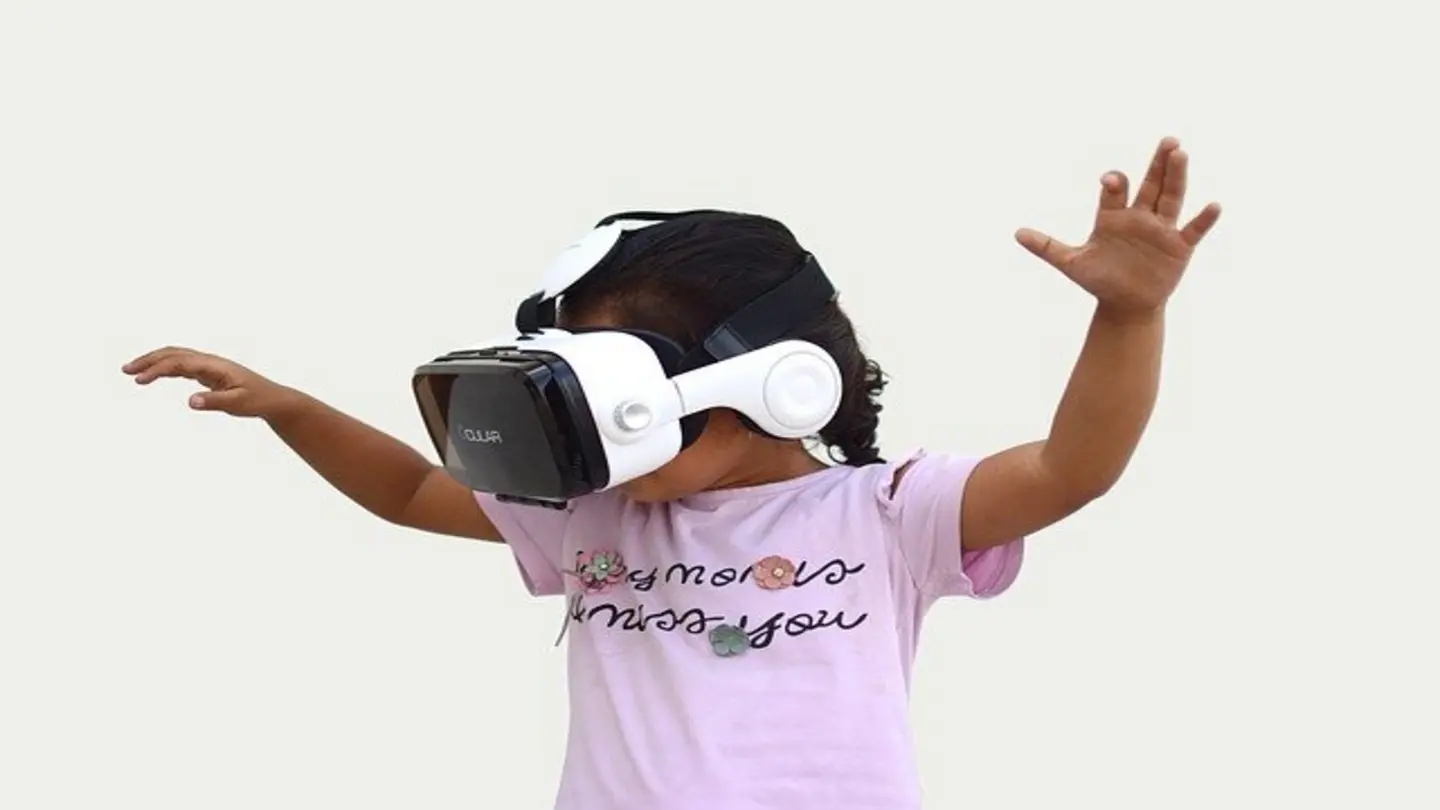
Future research directions emphasize the need for standardized protocols, larger sample sizes, and long-term follow-up studies. The integration of hypnosis training into medical education curricula and the development of evidence-based guidelines represent critical steps toward mainstream acceptance. Technological innovations, including virtual reality applications and digital hypnosis platforms, may expand accessibility while maintaining therapeutic efficacy.
The ongoing evaluation of hypnosis in pediatric care reflects broader trends toward patient-centered medicine and evidence-based complementary therapies. As healthcare systems increasingly recognize the importance of addressing both physical and psychological aspects of healing, hypnosis continues to garner attention as a potentially valuable tool in comprehensive pediatric care strategies.
Image Source: Google | Image Credit: Respective Owner