Demolition Follows Safety Concerns
Following a devastating fire at Arpora’s popular nightclub, authorities in Goa moved swiftly to demolish an illegal shack on Romeo Lane in Vagator Tuesday morning. The action targeted a structure owned by the controversial Luthra family, deemed unsafe after the club blaze raised broader safety concerns across the coastal district.
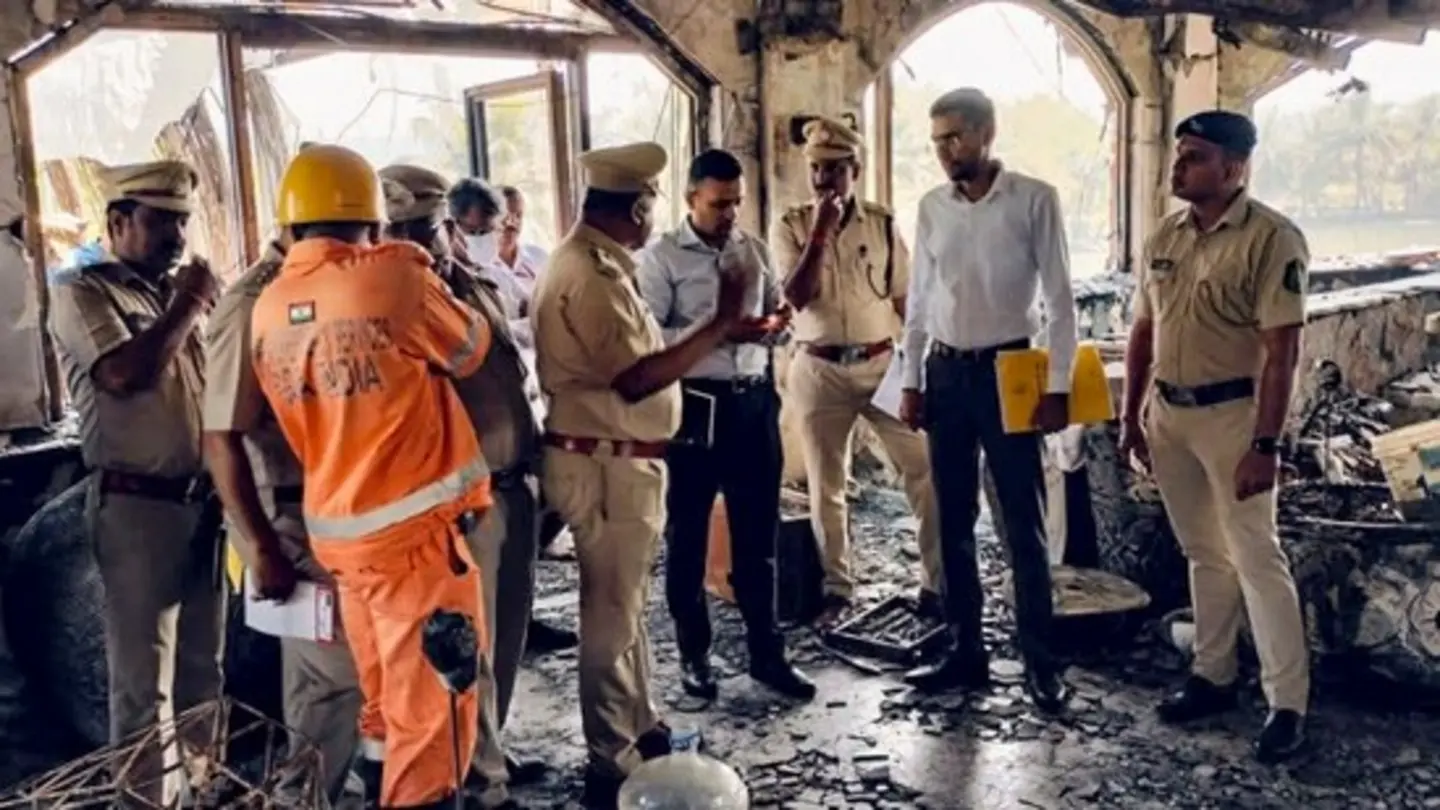
The Arpora club fire, which occurred late Sunday, caused extensive damage but resulted in no fatalities. Investigators discovered fire hazards and questionable permits, prompting officials to review other high-risk establishments. The shack on Romeo Lane, described as a makeshift structure housing informal vendors, lacked proper authorization and was situated in a fire-prone zone near dense tourist accommodations.
During the demolition, workers used bulldozers and heavy machinery under police supervision. Nearby residents watched silently as the shack – a long-standing eyesore for locals – was reduced to rubble. Environmental clearance had been pending for years due to its proximity to protected beach areas and heritage pathways.
“This send a clear message that illegal constructions won’t be tolerated, especially after such tragic incidents,” said a spokesperson for Goa’s municipal corporation. The Luthra family, known for multiple unlicensed ventures along Goa’s west coast, has faced repeated legal challenges but maintains they were still processing paperwork.
Tourism operators expressed mixed reactions. Some welcomed the crackdown as long overdue urban hygiene measure, while others feared temporary disruption to seasonal visitors who frequent Vagator’s street-side stalls. Local authorities emphasized that future permits would require stricter fire-safety protocols and environmental impact assessments.
The incident reflects growing tension between rapid development and regulatory enforcement in Goa, where booming tourism often outpaces infrastructure planning. Environmental groups praised the move but called for broader audits of informal settlements along coastal roads.
Monday evening protests by small business owners were dispersed peacefully; officials confirmed no arrests but issued ultimatums for compliance within 30 days. Cleanup crews began removing debris Tuesday afternoon, with municipal workers planting temporary green barriers along the lane.
National safety advocates highlighted the case as a model for proactive disaster prevention, noting similar club fires recently in Kerala and Maharashtra. Goa’s fire department reported receiving 23% more hazard-alert calls this month compared to July averages.
Meanwhile, forensic teams continue examining the Arpora site, where investigators identified flammable materials stored near electrical systems. Preliminary findings suggest electrical faults contributed significantly to the blaze’s rapid spread through the club’s wooden framework.
The state legislature is scheduled to debate stricter licensing regimes next week. Tourism Minister Vishwajit Rane announced plans for mobile app-based permit tracking systems to improve transparency. Critics argue such digital tools cannot replace consistent physical inspections in Goa’s rugged terrain.
International travel advisories mentioning Goa now reference the incidents, though major booking platforms report negligible impact on reservation trends. Local NGOs distributed safety pamphlets in multiple languages at bus terminals Thursday, emphasizing evacuation routes and emergency contacts.
As evening fell Thursday, Vagator’s usually bustling streets remained quieter than usual. Many tourists unaware of the events continued enjoying sunset beaches, while community leaders organized town hall meetings to discuss sustainable development proposals.
Image Source: Google | Image Credit: Respective Owner