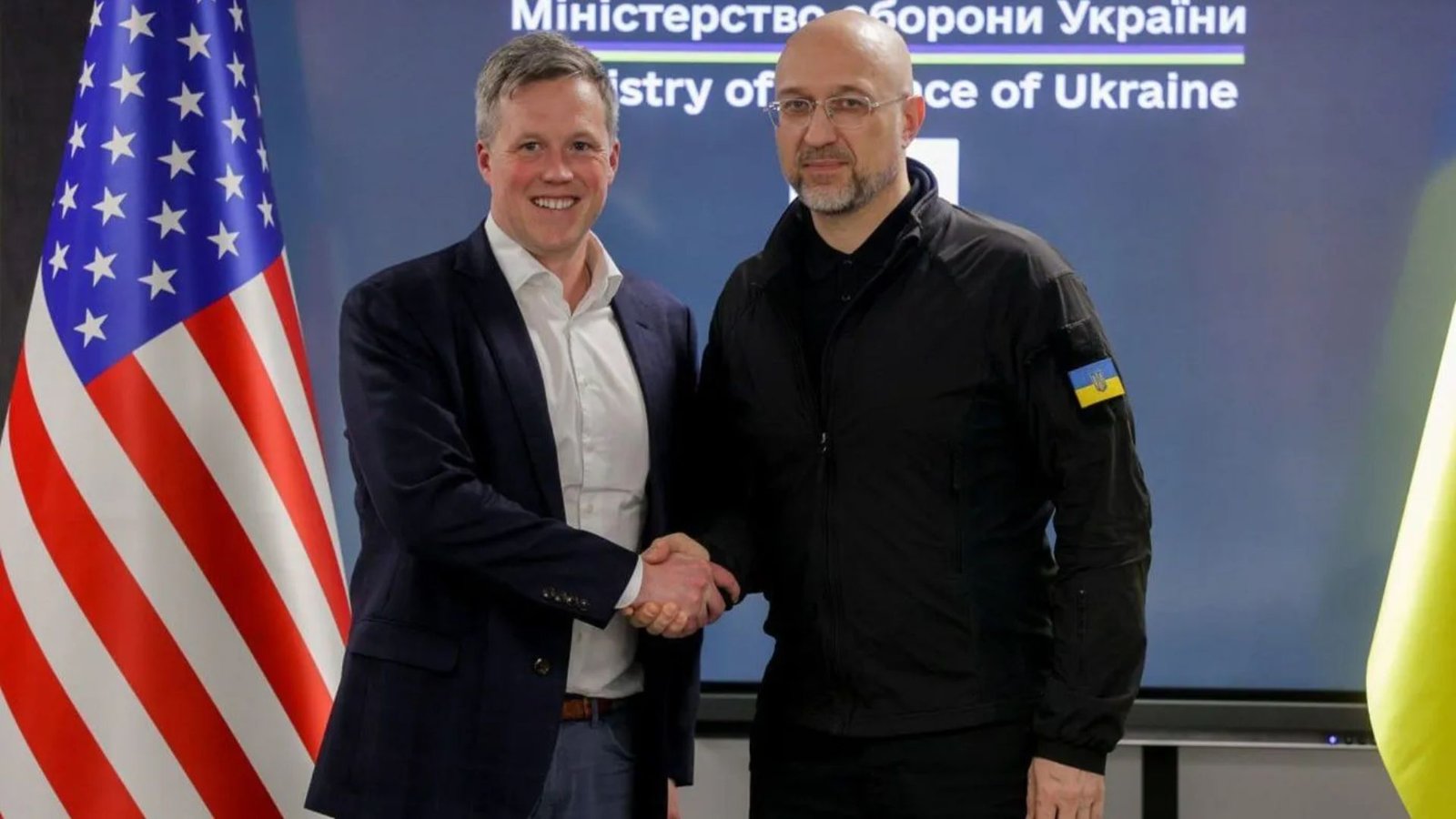
Washington D.C. – The United States has asserted that Ukraine has accepted the framework of a potential peace deal with Russia, while Ukrainian President Volodymyr Zelensky has refuted these claims, stating that negotiations are still in progress. This discrepancy underscores the complexities and uncertainties surrounding the ongoing conflict and the potential pathways to a resolution.
According to unnamed US officials, Ukraine’s acceptance of the peace framework signifies a crucial step forward in de-escalating the crisis. The proposed framework allegedly includes provisions for a ceasefire, the withdrawal of Russian troops from Ukrainian territory, and guarantees of Ukraine’s future security. However, the specifics of these guarantees and the extent to which they address Russia’s security concerns remain unclear.
Zelensky’s Denial
President Zelensky’s denial of any finalized agreement highlights the sensitive nature of the negotiations and the significant challenges in reaching a consensus. In a televised address, Zelensky acknowledged that talks with Russia are ongoing but emphasized that no concrete agreements have been reached. He reiterated Ukraine’s commitment to defending its sovereignty and territorial integrity, stating that any peace deal must ensure the complete withdrawal of Russian forces and the restoration of Ukraine’s internationally recognized borders.
The conflicting statements from the US and Ukraine raise questions about the level of coordination and communication between the two countries. It is possible that the US assessment is based on preliminary discussions and understandings that have not yet been formally endorsed by the Ukrainian government. Alternatively, Zelensky’s denial may be a strategic move to maintain leverage in the negotiations and avoid prematurely committing to terms that are unfavorable to Ukraine.
The situation on the ground remains volatile, with ongoing clashes between Ukrainian and Russian forces in several regions. Despite the diplomatic efforts, there is no immediate indication of a cessation of hostilities. The international community continues to urge both sides to engage in meaningful dialogue and to find a peaceful resolution to the conflict. The US, along with its allies, has imposed sanctions on Russia in an effort to pressure Moscow to de-escalate the situation and withdraw its troops from Ukraine. The effectiveness of these sanctions and their long-term impact on the Russian economy remain to be seen.
The future of the conflict and the prospects for a lasting peace depend on the willingness of both sides to compromise and to address each other’s legitimate security concerns. The conflicting narratives surrounding the peace negotiations underscore the fragility of the process and the challenges in achieving a mutually acceptable outcome. As the conflict enters a protracted phase, the need for a diplomatic solution becomes increasingly urgent to prevent further loss of life and to avert a wider regional conflagration.
Image Source: Google | Image Credit: Respective Owner