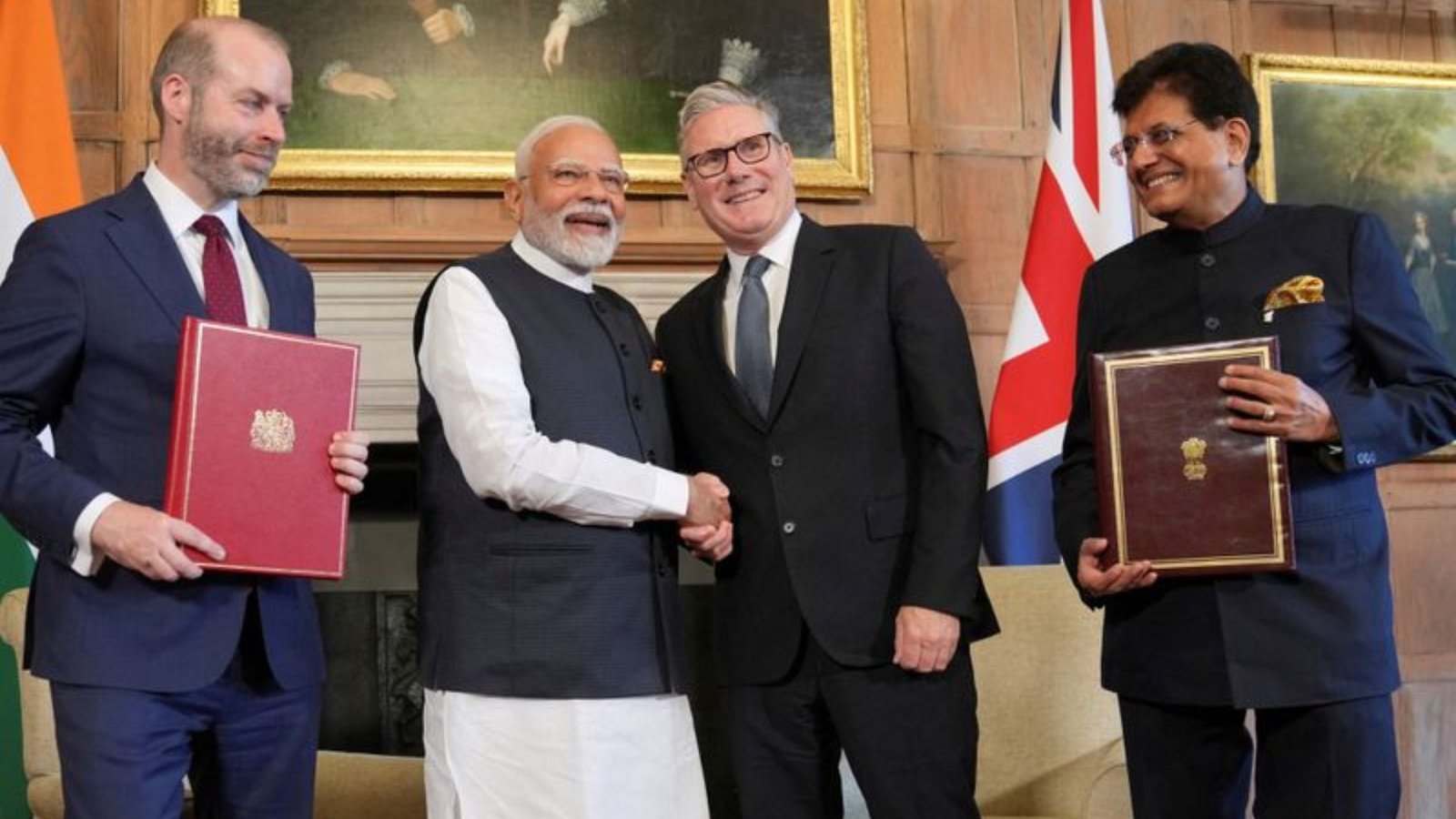
India and the United Kingdom are actively charting a course for the swift implementation of their highly anticipated Free Trade Agreement (FTA). Commerce and Industry Minister Piyush Goyal engaged in discussions with his UK counterpart to solidify the roadmap for this landmark agreement. The FTA is poised to significantly bolster economic ties between the two nations, fostering increased trade and investment opportunities.
Key Discussion Points
The meeting between the trade ministers focused on identifying and addressing potential hurdles to the FTA’s smooth implementation. Both sides expressed a strong commitment to resolving outstanding issues and ensuring that the agreement delivers tangible benefits to businesses and consumers in both countries. Discussions also centered on establishing clear timelines and mechanisms for monitoring progress, reflecting the shared desire to expedite the FTA’s operationalization.
The FTA is expected to unlock new avenues for collaboration across various sectors, including goods, services, and technology. It aims to reduce trade barriers, streamline customs procedures, and promote greater regulatory cooperation. By lowering tariffs and simplifying trade processes, the agreement will make it easier for businesses in India and the UK to access each other’s markets, leading to increased competitiveness and economic growth.
One of the key objectives of the FTA is to enhance investment flows between India and the UK. The agreement includes provisions designed to protect investments, promote transparency, and create a more favorable environment for businesses looking to expand their operations in either country. This is expected to attract significant foreign direct investment (FDI), stimulating job creation and economic development.
The FTA also seeks to address non-tariff barriers to trade, such as regulatory differences and technical standards. By harmonizing standards and promoting mutual recognition of certifications, the agreement will reduce compliance costs for businesses and facilitate smoother trade flows. This will be particularly beneficial for small and medium-sized enterprises (SMEs), which often face disproportionately high costs associated with navigating complex regulatory environments.
Beyond trade in goods and services, the FTA encompasses cooperation in emerging areas such as digital trade and sustainable development. The agreement aims to establish a framework for cross-border data flows, protect intellectual property rights, and promote responsible business practices. It also includes provisions for promoting environmental protection and addressing climate change, reflecting the shared commitment of India and the UK to sustainable economic growth.
The India-UK FTA represents a significant milestone in the bilateral relationship between the two countries. It is expected to generate substantial economic benefits, strengthen strategic partnerships, and foster greater people-to-people connections. As both nations work towards its swift implementation, the FTA holds the promise of a more prosperous and interconnected future.
The ministers agreed to maintain close communication and continue their collaborative efforts to ensure the FTA’s successful implementation. Further meetings and technical discussions are planned in the coming months to address specific issues and finalize the details of the operational framework. The goal is to have the agreement fully operational as soon as possible, enabling businesses and consumers to reap its benefits.
Image Source: Google | Image Credit: Respective Owner