A powerful earthquake struck the Philippines, causing significant damage and casualties. The 6.9 magnitude tremor hit Bohol, a province known for its stunning natural landscapes and historical churches. The earthquake’s impact was felt across the region, triggering widespread concern and prompting immediate rescue efforts.
Impact on Bohol
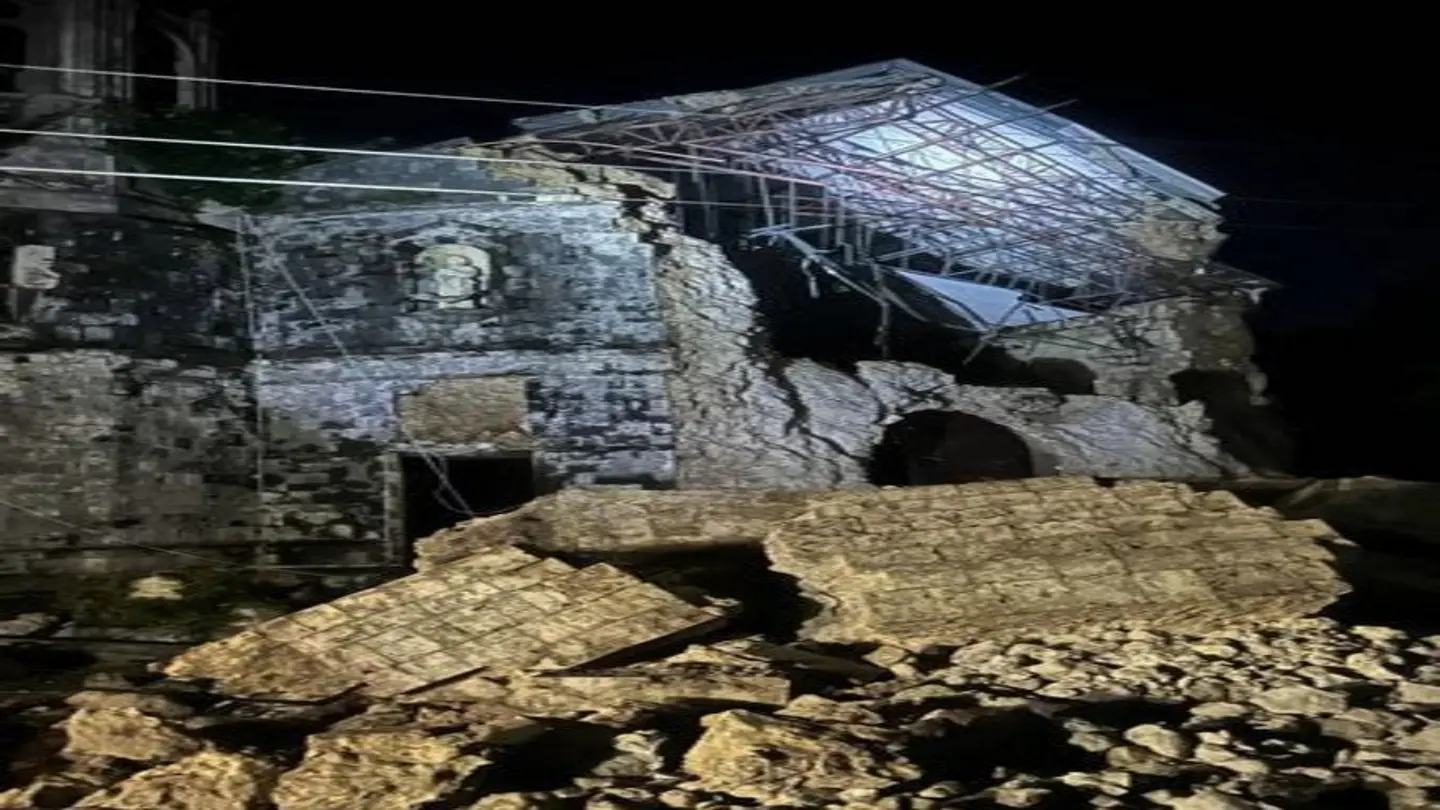
Bohol was the epicenter of the earthquake, bearing the brunt of its destructive force. Reports indicate that a historic church in the province sustained considerable damage. The extent of the damage is still being assessed, but initial assessments suggest significant structural compromise. Churches in the Philippines often hold immense cultural and historical significance, making their damage particularly distressing to local communities.
Beyond the structural damage, the earthquake claimed the lives of at least five people. Rescue teams are working tirelessly to locate and assist those affected, with search and rescue operations ongoing. The tremor caused widespread panic among residents, many of whom fled their homes in search of safety. Local authorities have urged residents to remain vigilant and take necessary precautions against potential aftershocks.
Regional Impact and Response
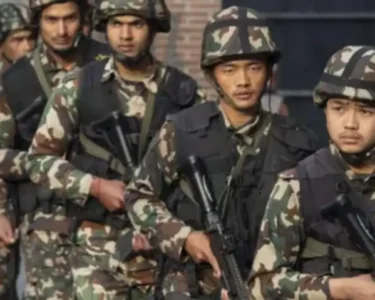
The effects of the earthquake were felt beyond Bohol, with reports of tremors in neighboring provinces and cities. The Philippine government has mobilized resources to provide aid and support to affected areas. Emergency response teams have been deployed to assist with search and rescue efforts, distribute relief supplies, and provide medical assistance to those in need.
The National Disaster Risk Reduction and Management Council (NDRRMC) is coordinating the response efforts, working closely with local government units to assess the damage and provide necessary assistance. The NDRRMC has also issued advisories to the public, urging people to remain calm and follow safety guidelines. The Philippine Red Cross and other humanitarian organizations are also on the ground, providing assistance to affected communities.
The earthquake serves as a stark reminder of the Philippines’ vulnerability to natural disasters. The country lies along the Pacific Ring of Fire, a region known for its high seismic activity. As such, earthquakes are a common occurrence in the Philippines, and the country has developed a comprehensive disaster preparedness and response system. However, the scale of the recent earthquake highlights the ongoing challenges in mitigating the impact of these events.
Efforts are underway to assess the full extent of the damage and provide long-term assistance to affected communities. The Philippine government is committed to supporting the recovery process and ensuring that those affected receive the necessary aid to rebuild their lives.
Image Source: Google | Image Credit: Respective Owner