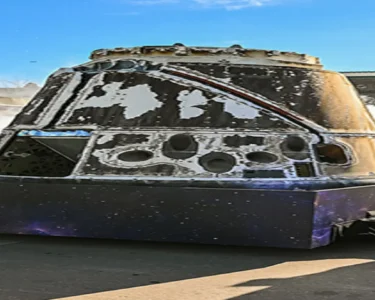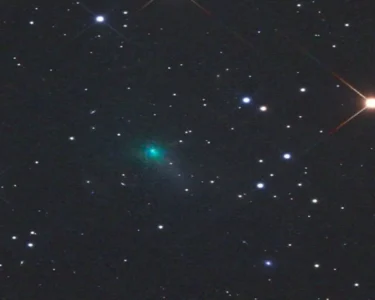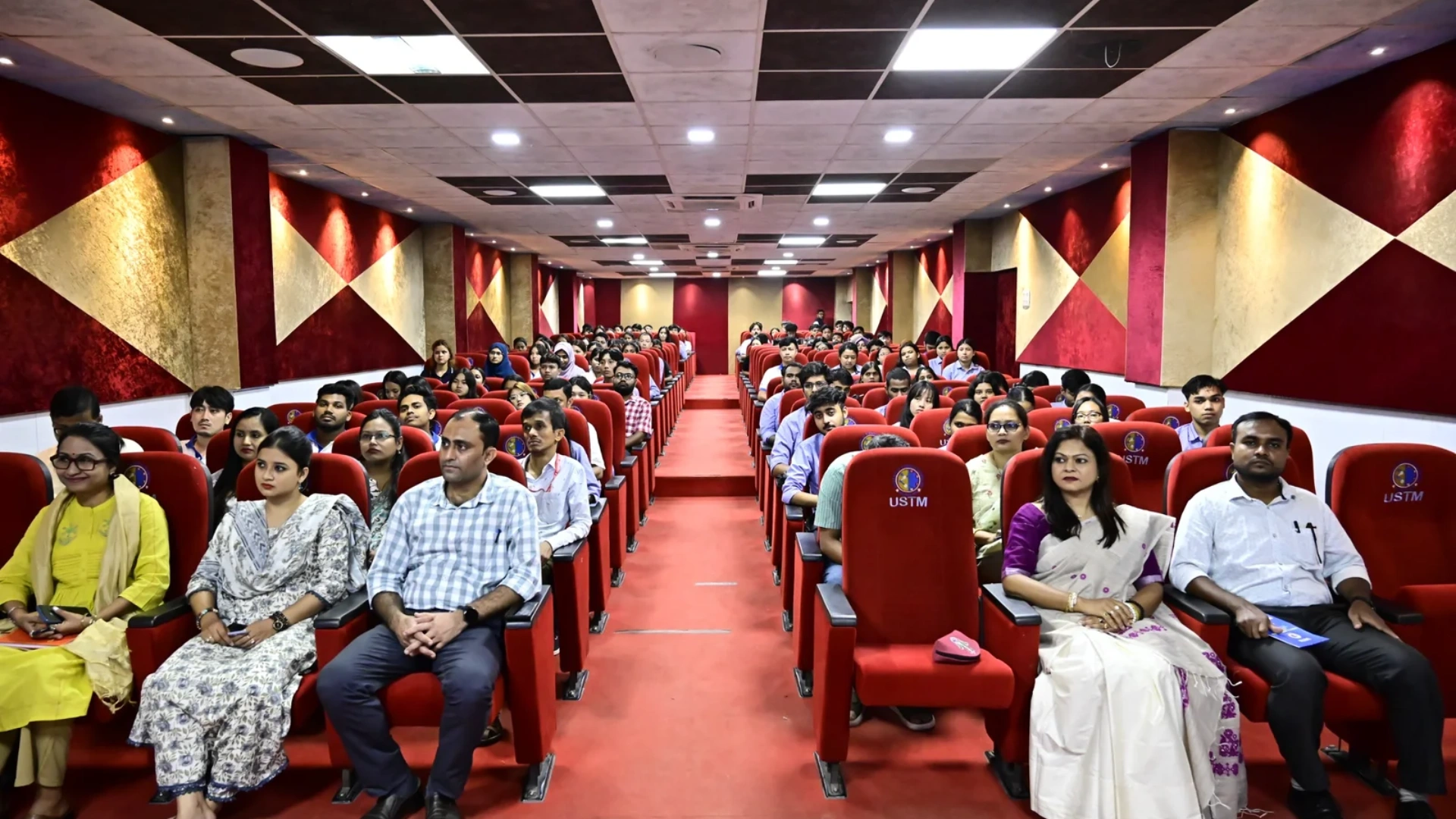
The University of Science and Technology, Meghalaya (USTM) recently hosted a session focused on the latest advancements in space exploration. The event brought together researchers, faculty, and students to discuss ongoing projects, emerging technologies, and future directions in the field. The session aimed to foster collaboration and inspire further innovation in space-related research within the university and beyond.
Key Discussions
The session covered a wide range of topics, including advancements in satellite technology, the study of exoplanets, and the challenges of long-duration space missions. Several researchers presented their work on developing new materials for spacecraft construction, improving propulsion systems, and enhancing the accuracy of space-based sensors. Discussions also touched on the ethical considerations surrounding space exploration, such as the potential for resource exploitation and the need for international cooperation.
One of the highlights of the session was a presentation on USTM’s involvement in a collaborative project to analyze data collected by a recent Mars rover mission. Researchers detailed their contributions to the project, which included developing algorithms for identifying geological features and analyzing the chemical composition of Martian soil samples. The presentation showcased the university’s growing expertise in planetary science and its commitment to contributing to international space exploration efforts.
Another key area of discussion was the role of artificial intelligence (AI) in space exploration. Participants explored how AI can be used to automate tasks, improve decision-making, and analyze vast amounts of data collected by space-based instruments. The potential of AI to enhance the efficiency and effectiveness of space missions was widely acknowledged.
Future Directions
The session concluded with a brainstorming session on future research directions. Participants identified several promising areas for future investigation, including the development of sustainable space habitats, the search for extraterrestrial life, and the exploration of asteroids and other celestial bodies. The importance of interdisciplinary collaboration was emphasized, with participants highlighting the need for experts from different fields to work together to address the complex challenges of space exploration.
The USTM session on research advancement in space exploration served as a valuable platform for exchanging ideas, sharing knowledge, and fostering collaboration. The event underscored the university’s commitment to supporting cutting-edge research in space science and its dedication to preparing the next generation of space explorers. The university aims to build on the momentum generated by the session to further expand its research activities in space exploration and contribute to global efforts to understand our universe.
The organizers expressed their satisfaction with the outcome of the session and announced plans to hold similar events in the future to continue promoting research and innovation in space science and related fields. They also encouraged students and faculty to get involved in ongoing research projects and to pursue their own ideas for future space exploration endeavors. The session left attendees inspired and motivated to contribute to the advancement of space exploration.
Image Source: Google | Image Credit: Respective Owner