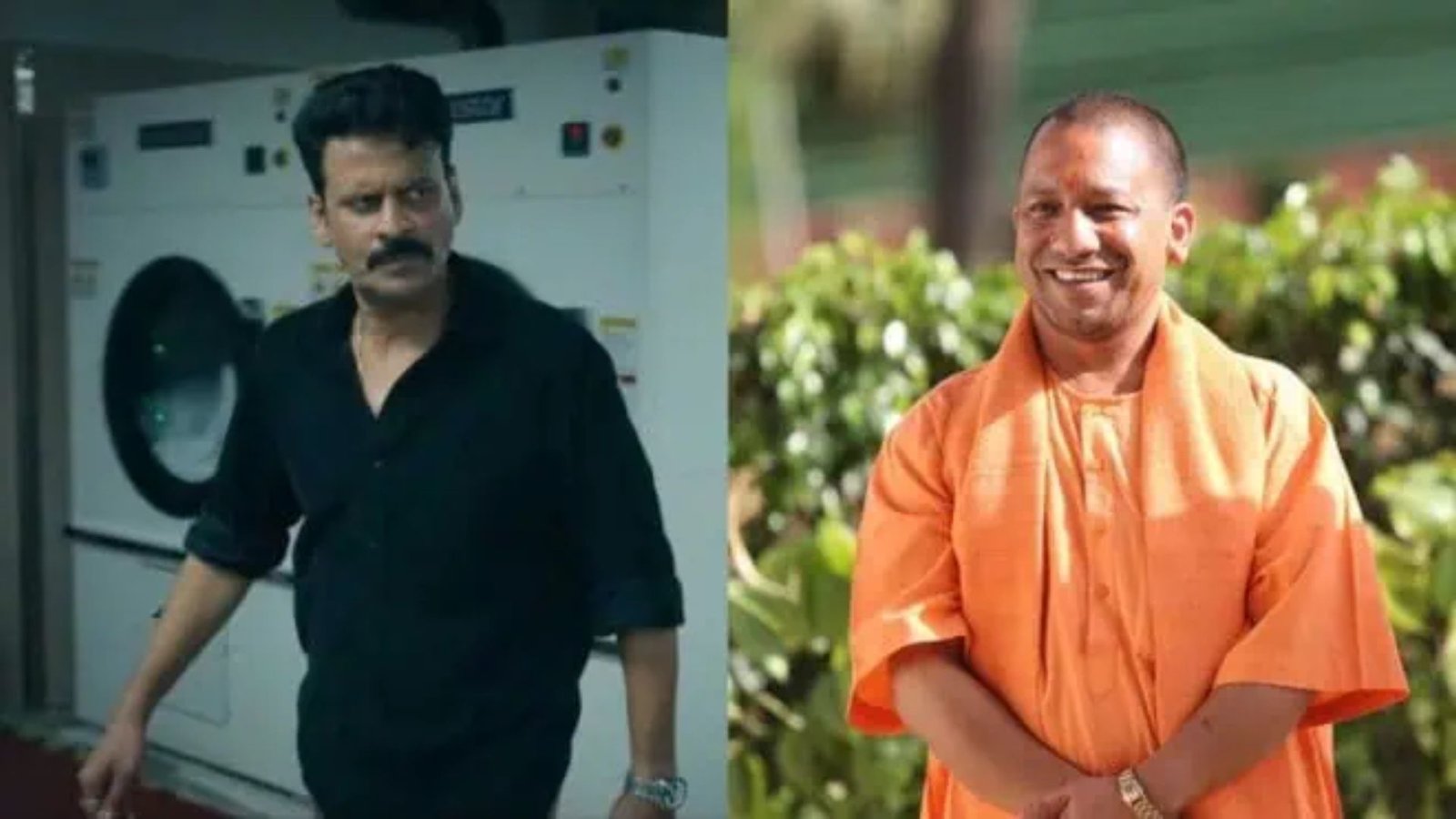
Uttar Pradesh Chief Minister Yogi Adityanath has ordered the registration of a first information report (FIR) against the film Ghooskhor Adheeshansingh Pandat, citing alleged obscenity and breaches of social ethics. The move has intensified debates around artistic freedom versus accountability for content deemed offensive by public sentiment. The film, directed by Karan Gupta, has already faced interruptions at multiple screening venues due to widespread protests over its perceived demeaning portrayal of Hindu culture and deities.
Manoj Bajpayee, whose name was erroneously linked to the project in initial media reports, swiftly clarified that he had no affiliation with the film. In a series of Twitter posts, the critically acclaimed actor condemned the misuse of political power to suppress creative expression, stating, “Censorship disguised as moral guardianship is a threat to democracy.” His comments have bolstered support from other filmmakers and artists, who argue that the CM’s intervention sets a dangerous precedent for India’s nascent creative industries.
The film’s production team has faced mounting pressure since its controversial trailer was released, with Google Ads serving as a primary platform for daily outrage-driven denunciations. Internet users have circulated memes and screenshots of graphically intense scenes, urging boycotts of its streaming services. The streaming platform hosting the film, a Delhi-based startup called Streamza, has maintained that the content complies with all regulatory guidelines, though providers have historically been reluctant to intervene in politically charged disputes without legal clarity.
Political analysts suggest the CM’s directive reflects escalating Hindu nationalism’s influence in India’s cultural landscape, where art increasingly becomes a battleground. The Bharatiya Janata Party (BJP), which aligns with Adityanath’s extremist wing, has faced criticism for blurring lines between entertainment content and political ideology. Meanwhile, directors’ unions have called for the government to clarify definitions of ‘obscenity’ in art, arguing vague regulations stifle innovation and infringe on constitutional rights to free speech under Article 19 of the Indian Constitution (cap. 3, s. 1).
Amidst mounting pressure, the Censor Board has hinted at initiating a formal review of the film’s certification. However, the suspended screening rights have left investors and protests in disarray, with multiplexes operating under strict state guidelines temporarily shelving the film. This incident mirrors the 2018 Furor over Padmaavat, where similar accusations of religious offensiveness triggered nation-wide protests, with muted outcomes due to procedural ambiguities in the Cinematograph Act’s Section 480.
The Filmmakers’ Guild of India has issued a public appeal for solidarity, warning that authoritarian-style censorship risks eroding creative autonomy. Legal experts, meanwhile, question whether the CM’s office has the jurisdiction to initiate criminal proceedings against a film’s creators, emphasizing that only police complaints under specific penal clauses could substantiate such actions. The case highlights ongoing tensions between cultural authorities and artistic communities in India’s rapidly changing socio-political fabric.
As the controversy unfolds, streaming platforms are reassessing content moderation policies to avoid entanglement with politically motivated bans. The incident has reignited discussions at industry forums about establishing independent artistic review boards to mediate between creative freedom and public sensitive sentiments. Constitutional scholars note the absence of clear legal frameworks leaves room for arbitrary interpretations, potentially stifling bold storytelling in cinema and digital media.
Image Source: Google | Image Credit: Respective Owner