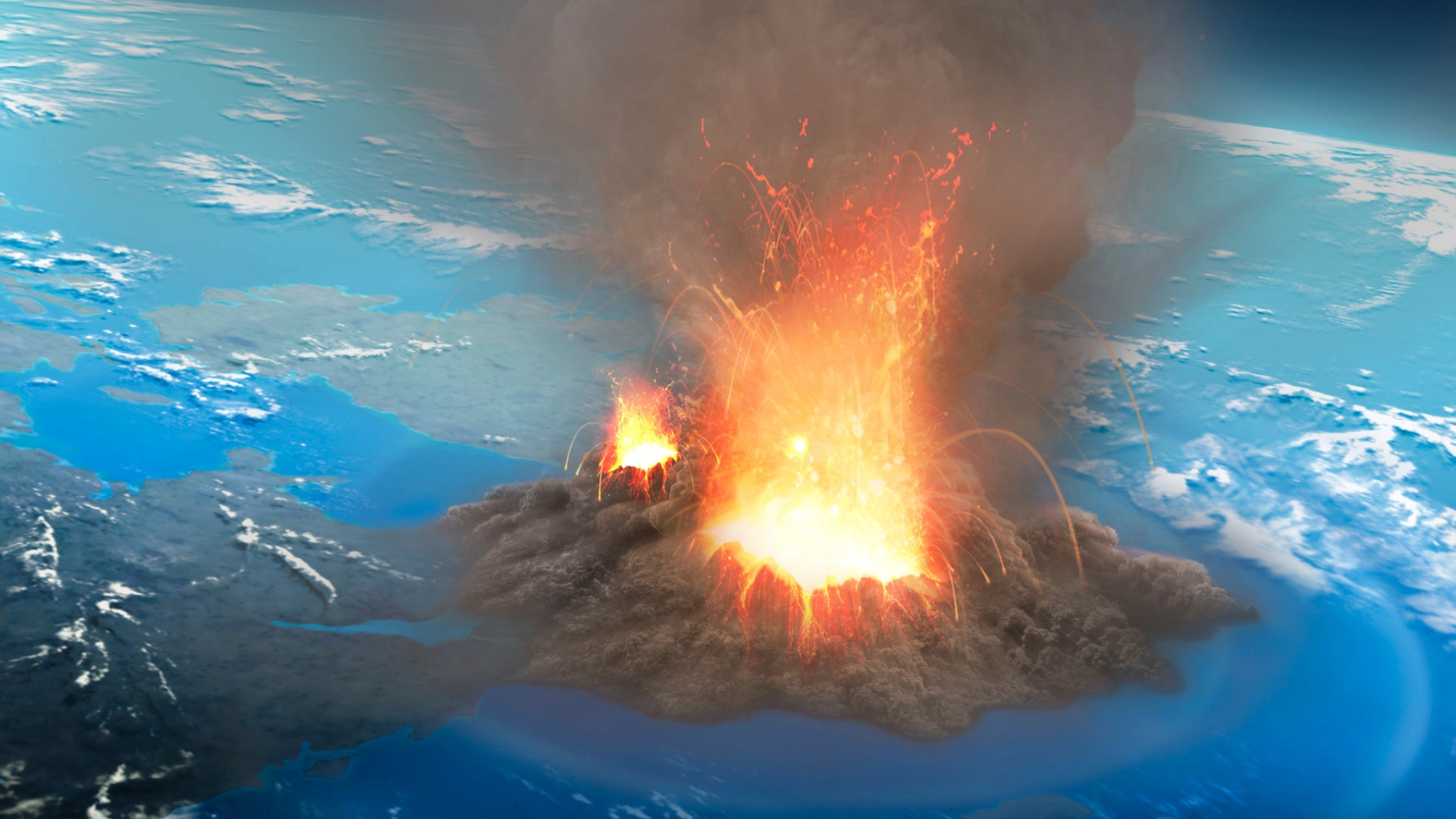
New research mapping the Yellowstone supervolcano reveals the potential for surprisingly rapid changes in the magma reservoir beneath the surface, influencing the scale and intensity of future eruptions. The study, utilizing advanced imaging techniques, provides a more detailed understanding of the complex geological processes at play within the volcano’s plumbing system, suggesting that significant shifts can occur within relatively short timescales.
Unveiling the Magma Reservoir
Scientists have long studied the Yellowstone supervolcano, renowned for its past massive eruptions and its potential threat to the region and even the globe. This new research delves deeper into the architecture of the magma reservoir, offering a clearer picture of the various chambers and conduits that feed the volcanic system. By analyzing seismic data and incorporating sophisticated modeling techniques, researchers have identified areas where magma accumulation and movement are more dynamic than previously thought.
One of the key findings is the identification of zones where magma can rapidly migrate and accumulate, potentially leading to changes in the eruption style and magnitude. This challenges previous assumptions that the system evolves slowly over long periods. The implications are significant, as it suggests that the time frame for anticipating and preparing for potential eruptions may be shorter than initially estimated.
The research also highlights the importance of monitoring subtle changes in ground deformation, gas emissions, and seismic activity. These indicators can provide valuable insights into the behavior of the magma reservoir and help scientists better assess the potential for future eruptions. The study emphasizes the need for continuous and improved monitoring networks to track these changes and refine eruption forecasts.
Implications for Future Monitoring
The updated mapping and understanding of the Yellowstone supervolcano’s internal structure underscore the importance of ongoing research and monitoring efforts. By integrating diverse datasets and employing advanced analytical techniques, scientists can refine their understanding of the complex processes that govern volcanic activity. This knowledge is crucial for developing effective strategies for mitigating the risks associated with future eruptions.
Furthermore, the findings of this study can be applied to other volcanic systems around the world, improving our understanding of volcanic hazards globally. The insights gained from Yellowstone serve as a valuable benchmark for assessing and managing volcanic risks in other potentially dangerous regions. The study serves as a reminder that even well-studied volcanoes can hold surprises, emphasizing the need for continuous scientific inquiry and vigilance.
While the potential for a massive eruption remains a concern, the research also emphasizes that most eruptions at Yellowstone are likely to be smaller, hydrothermal events. Understanding the full spectrum of potential eruption scenarios is essential for developing effective risk management strategies. The ongoing efforts to monitor and study Yellowstone are crucial for ensuring the safety and well-being of communities in the surrounding region and beyond. The ability for ‘things to change within…’ a shorter time period is a key takeaway.
Ultimately, this research highlights the dynamic nature of supervolcanoes and the importance of continuous monitoring and scientific investigation. By improving our understanding of these complex systems, we can better prepare for and mitigate the risks associated with future volcanic activity.
Image Source: Google | Image Credit: Respective Owner