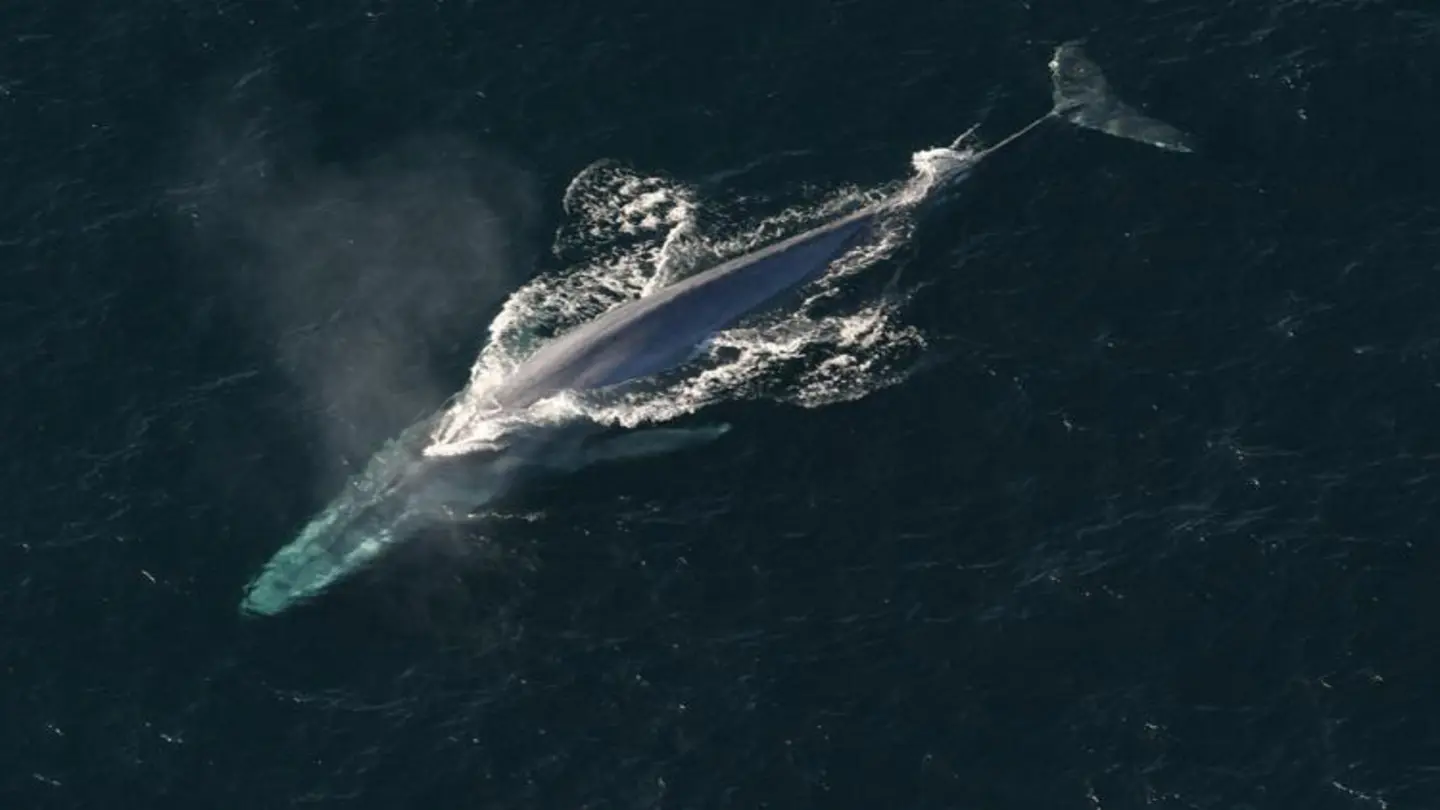
World Whale Day, observed annually on February 11, offers a global platform to celebrate cetacean life and raise awareness about the threats they face. Established by the International Whaling Commission and the Ocean Alliance in 2008, the day highlights whales’ ecological importance—from carbon sequestration and nutrient cycling to biodiversity support across all ocean basins. Moneycontrol’s recent feature underscores how long‑lived species embody centuries of ocean history and serve as barometers for marine health. The article notes that six whale types have survived for decades, demonstrating the resilience of marine ecosystems and the urgency of stronger conservation policies.
Why Whale Longevity Matters
Long-lived whales provide critical ecosystem services that hinge on their extended lifespans. By storing vast amounts of carbon in their massive bodies and redistributing nutrients across oceans, they influence climate regulation and primary productivity. Their complex social structures and vocal cultures reveal advanced cognition, offering insights for comparative neurobiology. Moneycontrol emphasizes that protecting these elders safeguards genetic diversity and cultural knowledge, which are vital for population resilience amid rising sea temperatures and shifting prey distributions.
Six Whale Species Spotlighted
Moneycontrol’s analysis highlights six cetaceans whose lifespans extend into the seventh decade, each representing a unique conservation profile. The bowhead whale, native to Arctic seas, holds the record for mammalian longevity, with individuals dated over 200 years via ear‑plug layers. Humpback whales live up to 90 years, traversing vast migrations that redistribute nutrients across hemispheres. Southern right whales, now rebounding after historic whaling, survive 70‑80 years, underscoring the impact of international protection. Blue whales, the planet’s largest, reach 80‑90 years but remain vulnerable to ship strikes and krill scarcity caused by warming oceans. Sperm whales thrive for 60‑70 years, maintaining deep‑sea food webs through their diving prowess. Orcas, famed for cultural transmission, typically live 50‑60 years and are split into distinct ecotypes with specialized diets.
Global conservation measures are gaining momentum, with the International Whaling Commission tightening protections for long‑lived species and investors incorporating marine biodiversity into ESG frameworks. Moneycontrol cites acoustic buoys and satellite tags that monitor whale vocalizations in real time, allowing ships to alter routes and cut collision risk. Regional laws such as the U.S. Marine Mammal Protection Act and Japan’s whale‑watching guidelines have already increased sightings of older individuals in the North Pacific and Southern Ocean. Yet persistent challenges—shipping traffic, entanglement in fishing gear, ocean acidification, and climate‑driven prey shifts—continue to threaten these ancient populations, necessitating coordinated monitoring and stricter enforcement of maritime safety zones.
As World Whale Day nears, the spotlight on these six long‑lived cetaceans reinforces the message that marine megafauna protection is essential for planetary health. Moneycontrol urges investors to back ocean‑conservation bonds and corporate projects that fund anti‑collision technologies, while encouraging public participation through responsible whale‑watching and education programs. Strengthening political will, expanding marine protected areas, and embracing cutting‑edge surveillance can translate symbolic observances into measurable conservation outcomes, ensuring that whales—both the elders and the next generation—continue to thrive in an increasingly uncertain oceanic future.
Image Source: Google | Image Credit: Respective Owner