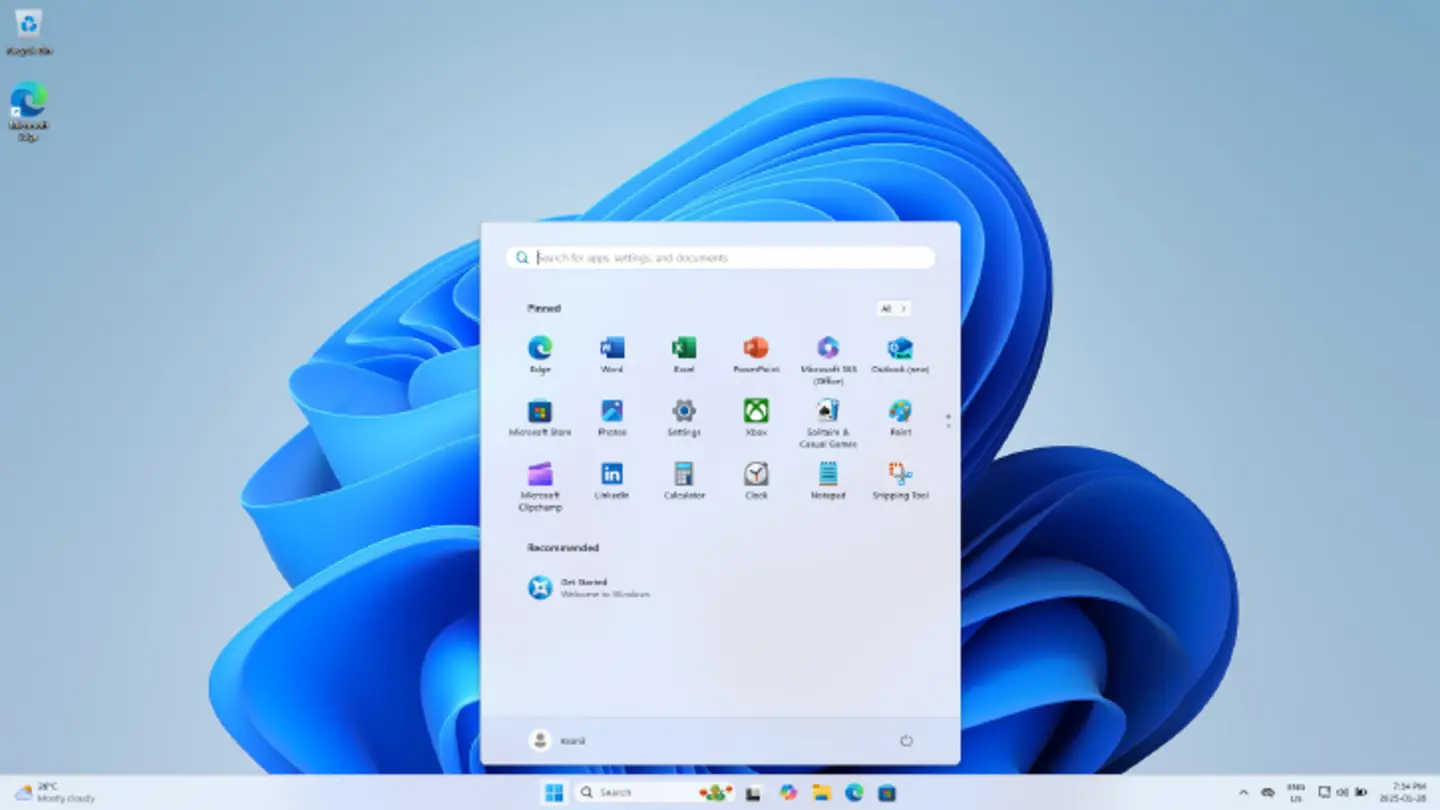
A recent XDA article highlights a user’s experience with the upcoming Windows 11 25H2 update, leading them to switch to Linux. The user cites frustrations with Windows 11’s direction and features as the primary drivers for their decision, reflecting a growing sentiment among some tech enthusiasts who feel Microsoft’s vision for its flagship operating system is misaligned with their needs.
The move to Linux, for this particular user, represents a newfound sense of control and customization. Linux distributions are renowned for their flexibility, allowing users to tailor the operating system to their exact preferences. This level of control is often cited as a major advantage by Linux converts, especially those seeking an alternative to the more rigid and prescriptive nature of Windows.
The Allure of Customization
One of the key appeals of Linux lies in its open-source nature. This allows users to delve into the inner workings of the OS, modify the code, and contribute to the community. The vast array of available distributions, each with its own unique set of features and philosophies, caters to a wide range of users, from beginners to seasoned developers. For those seeking a stable and user-friendly experience, distributions like Ubuntu and Linux Mint are popular choices. Meanwhile, more advanced users may opt for distributions like Arch Linux or Gentoo, which offer unparalleled levels of customization.
The article emphasizes the specific frustrations the user experienced with Windows 11, which served as the catalyst for the switch. While the exact issues aren’t detailed in this summary, it’s implied they revolve around unwanted features, performance concerns, or a general dissatisfaction with the direction of the operating system’s development.
Challenges and Considerations
Switching to Linux isn’t without its challenges. The learning curve can be steep, especially for users unfamiliar with the command line interface. Driver compatibility and software availability can also be concerns, although the Linux ecosystem has made significant strides in recent years. Many popular applications now have Linux versions, and compatibility layers like Wine allow users to run some Windows software on Linux. Despite these challenges, the benefits of Linux, such as increased privacy, security, and performance, often outweigh the drawbacks for many users.
The user’s experience underscores the importance of choice in the operating system landscape. While Windows remains the dominant desktop OS, Linux offers a viable alternative for those seeking greater control, customization, and a different approach to computing. This anecdote serves as a reminder that the best operating system is ultimately the one that best meets the individual needs and preferences of the user, and for this particular user, that operating system is now Linux.
The move also sparks a conversation within the tech community about the future of desktop operating systems and the increasing demand for user agency and customization. It will be interesting to see if Microsoft responds to these concerns with future Windows updates or if more users will seek refuge in the world of open-source operating systems like Linux.
Image Source: Google | Image Credit: Respective Owner