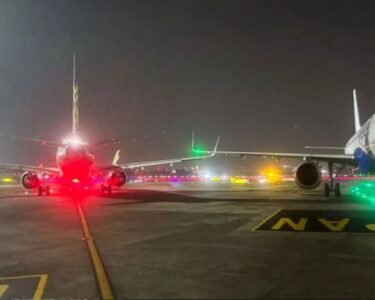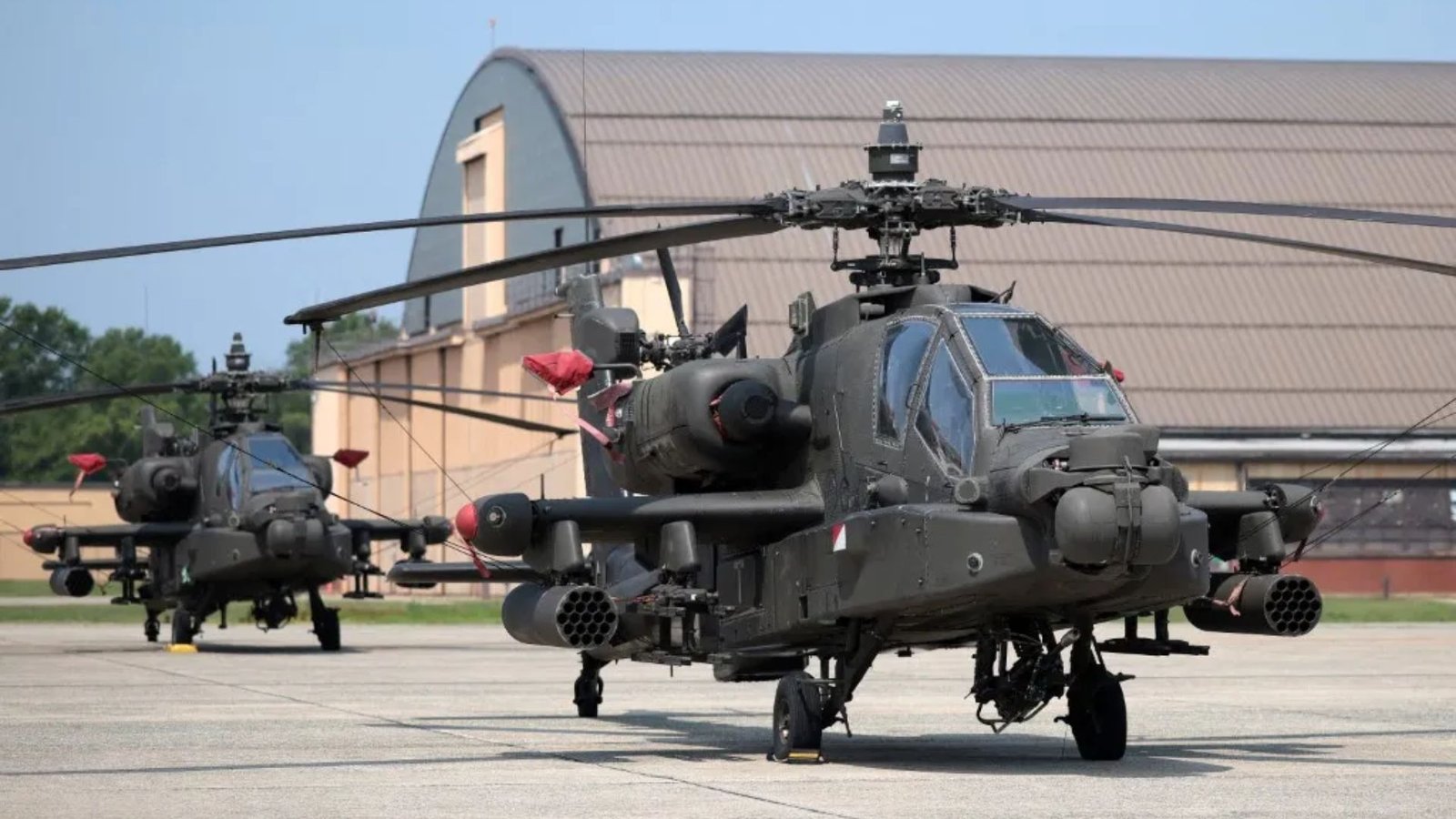
India’s exclusion of U.S. Apache attack helicopters from its $40 billion defense deal, in favor of French Rafale fighter jets, has sparked analysis over the rationale behind such high-stakes procurement decisions. The move underscores India’s prioritization of strategic fit and long-term viability over raw capability alone.
Cost and Survivability Concerns
While the Apache boasts superior attack capabilities, Indian evaluators found it to be as expensive as the Rafale but with lower survivability in contested airspace. Survivability encompasses not just defensive systems but also maintainability, spare parts availability, and compatibility with India’s existing logistics network. The Rafale, with its twin-engine design and advanced avionics, offers better odds in high-intensity conflicts.
Operational costs further tipped the balance. The Apache’s high fuel consumption and complex maintenance requirements would impose a significant burden on India’s defense budget over its lifespan. In contrast, the Rafale’s lifecycle costs, though substantial, are considered more manageable given its multirole nature and potential for industrial offsets.
Geopolitical and Strategic Factors
India’s defense policy emphasizes strategic autonomy, reducing dependence on any single supplier. Historically tied to Russia, India has diversified with purchases from France and Israel. The U.S. Apache deal might have increased reliance on American technology, which could complicate relations with Moscow and limit India’s bargaining power.
Moreover, the Rafale agreement included generous offset clauses, mandating French investment in Indian defense manufacturing and technology sharing. This aligns with India’s “Make in India” initiative, fostering domestic industry and job creation—benefits that the Apache proposal reportedly did not match to the same extent.
Indigenous development programs, such as the Light Combat Aircraft and future fifth-generation fighters, also influence decisions. By opting for the Rafale, India secures an immediate capability boost while supporting its long-term goal of self-reliance. The Apache, being a foreign system, would have offered less synergy with these domestic efforts.
Implications for U.S.-India Defense Ties
The Apache rejection is a setback but not an insurmountable barrier for U.S. defense exports to India. The two nations have strengthened military cooperation through foundational agreements like COMCASA and LEMOA, enabling greater interoperability. Opportunities remain in other sectors, such as unmanned aerial systems and naval helicopters.
Analysts note that India’s approach is holistic, evaluating total ownership costs, geopolitical ramifications, and alignment with national strategy. The decision sends a clear message: advanced weapons must deliver comprehensive value, not just battlefield superiority.
As India continues its $40 billion defense modernization spree, future tender processes will likely see increased competition. U.S. firms must adapt by offering more favorable terms, including technology transfer and offset commitments, to win contracts in this lucrative but discerning market.
In conclusion, the Apache’s omission from India’s deal reflects a calculated choice based on survivability, cost-effectiveness, and strategic autonomy. While the U.S. loses a potential sale, India reaffirms its agency in shaping a defense posture suited to its unique threats and ambitions. This episode serves as a case study in how modern defense acquisitions are as much about politics and economics as they are about pure military performance.
Image Source: Google | Image Credit: Respective Owner