The World Health Organization (WHO) has issued a stark warning about the growing threat of drug resistance to artemisinin, the core compound in frontline malaria treatments. This resistance is jeopardizing global efforts to combat the disease and could reverse decades of progress in malaria control.
According to the WHO’s latest report, the spread of artemisinin resistance, particularly in the Greater Mekong subregion, is a significant concern. While malaria incidence and mortality rates have declined substantially since the beginning of the century, recent years have seen a plateau in progress, partly attributed to this increasing resistance. The agency emphasizes that without urgent action, the effectiveness of current malaria treatments will be severely compromised, leading to a resurgence of the disease and increased mortality rates.
Understanding Artemisinin Resistance
Artemisinin-based combination therapies (ACTs) are the mainstay of malaria treatment worldwide. Artemisinin resistance occurs when the parasite Plasmodium falciparum develops the ability to survive initial exposure to the drug, delaying its clearance from the patient’s bloodstream. Although the parasite is eventually eliminated by the partner drug in the ACT, the delayed clearance increases the likelihood of the parasite developing resistance to the partner drug as well, potentially rendering the entire treatment ineffective.
The WHO is closely monitoring the spread of artemisinin resistance in several countries, focusing on areas where resistance has already been confirmed. Enhanced surveillance, improved diagnostics, and the development of new treatment strategies are crucial to combat the emerging threat. The organization is also working with national malaria control programs to implement strategies that can slow the development and spread of drug resistance.
Strategies for Combating Drug Resistance
The WHO recommends a multi-pronged approach to combat artemisinin resistance. This includes strengthening malaria surveillance systems to detect resistance early, promoting the rational use of antimalarial drugs, and ensuring access to quality-assured ACTs. Additionally, the WHO advocates for the development and deployment of new antimalarial drugs and treatment strategies that can overcome resistance.
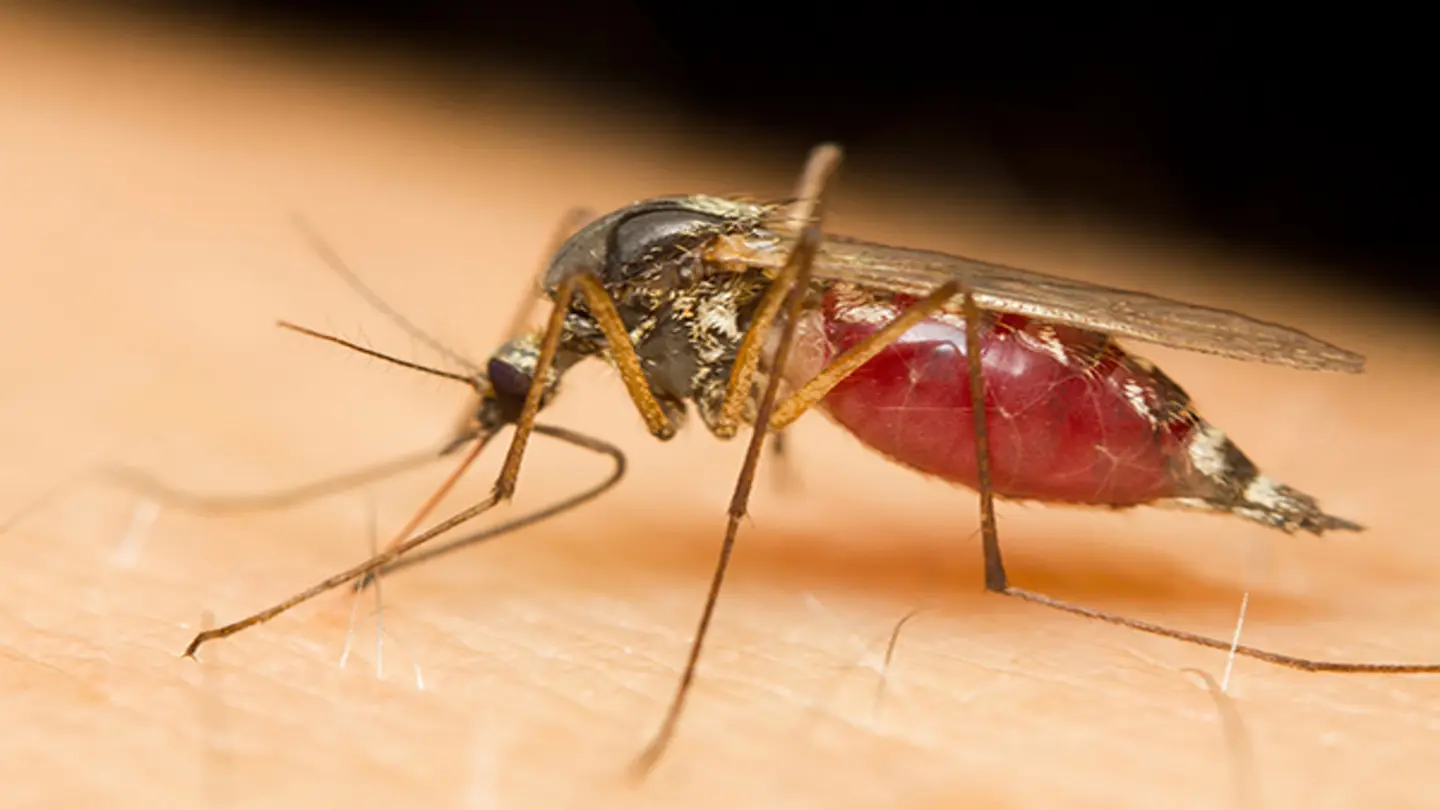
Vector control measures, such as insecticide-treated bed nets and indoor residual spraying, remain essential components of malaria prevention and control. Strengthening these interventions can reduce the overall burden of malaria and decrease the selective pressure for drug resistance. Furthermore, community engagement and education are critical to ensure that people seek prompt diagnosis and treatment for malaria, adhere to prescribed treatment regimens, and take preventive measures to avoid mosquito bites.
The WHO’s warning underscores the urgent need for increased investment in malaria research and development. New tools and strategies are required to stay ahead of the evolving threat of drug resistance and to achieve the global goal of malaria elimination. International collaboration and coordinated action are essential to address this challenge and to safeguard the gains made in the fight against malaria.
Ultimately, a sustained commitment to malaria control, coupled with innovative approaches to combat drug resistance, is crucial to protect vulnerable populations and to achieve a malaria-free world.
Image Source: Google | Image Credit: Respective Owner