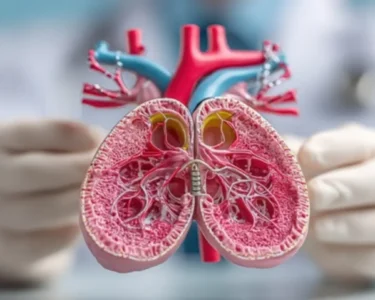
The World Health Organization (WHO) has released updated guidelines for tuberculosis (TB) management, emphasizing the critical role of food assistance in tackling the disease. The guidelines highlight the link between undernutrition and TB, asserting that providing nutritional support can significantly improve treatment outcomes and reduce mortality rates, particularly among vulnerable populations.
TB, an infectious disease primarily affecting the lungs, remains a major global health challenge. It is often exacerbated by malnutrition, which weakens the immune system and makes individuals more susceptible to infection. People living with TB often experience weight loss, decreased appetite, and impaired nutrient absorption, further compounding the problem.
Key Recommendations
The new WHO guidelines strongly recommend that TB programs integrate nutritional assessments and support into their standard care protocols. This includes screening patients for malnutrition and providing targeted food assistance to those identified as being undernourished. The specific types of food assistance may vary depending on the context, but should ideally include nutrient-dense foods that address specific deficiencies.
“Addressing malnutrition is not just about providing calories; it’s about ensuring people have access to a balanced diet that supports their immune system and overall health,” said Dr. Maria Gonzalez, a leading TB expert at the WHO. “Food assistance can be a lifeline for TB patients, helping them adhere to treatment, recover faster, and reduce the risk of relapse.”
The guidelines also call for improved collaboration between health systems and social welfare programs to ensure that TB patients receive comprehensive support. This includes access to food, clean water, sanitation, and other essential services. Strengthening community-based support networks is also crucial for reaching marginalized populations and ensuring that everyone has access to TB prevention and care.
Furthermore, the WHO emphasizes the importance of investing in research to better understand the complex relationship between nutrition and TB. This includes studies to identify the most effective nutritional interventions for TB patients and to develop strategies for preventing malnutrition in TB-endemic areas. The updated guidelines aim to provide countries with evidence-based recommendations for strengthening their TB control efforts and improving the lives of people affected by the disease. By integrating nutritional support into TB programs, countries can make significant progress towards achieving the Sustainable Development Goals related to health and well-being.
The WHO’s call for food assistance marks a significant step forward in the global fight against TB, recognizing that addressing the underlying social and economic factors that contribute to the disease is essential for achieving lasting progress. The organization encourages governments, healthcare providers, and communities to work together to implement these guidelines and ensure that everyone affected by TB has access to the nutrition they need to recover and thrive.
Image Source: Google | Image Credit: Respective Owner