A recent study published in the European Medical Journal highlights a significant health risk for welders: occupational lung disease linked to iron overload. The research indicates that prolonged exposure to welding fumes, specifically iron oxide nanoparticles, can lead to the accumulation of iron in the lungs, potentially triggering a cascade of inflammatory and fibrotic processes.
Welders routinely inhale fumes containing metallic particles, including iron, manganese, and chromium. While the dangers of manganese and chromium are relatively well-known, the implications of iron accumulation have been historically underestimated. This new research suggests that iron oxide nanoparticles, due to their size and magnetic properties, are not easily cleared from the lungs. Instead, they deposit and persist, contributing to chronic inflammation and, ultimately, lung damage.
The study focused on identifying the mechanisms by which iron overload contributes to the development of occupational lung diseases like siderosis, a common but often benign condition characterized by iron deposits in the lungs. However, researchers emphasize that chronic iron overload can progress beyond siderosis, potentially leading to more severe conditions such as pulmonary fibrosis, a debilitating and irreversible scarring of the lung tissue.
Iron Metabolism Disruption
The accumulation of iron disrupts normal lung function in several ways. Firstly, it generates reactive oxygen species (ROS) through the Fenton reaction, causing oxidative stress and damaging cellular components. Secondly, iron deposition can impair the ability of macrophages – immune cells responsible for clearing debris – to function effectively. This further exacerbates inflammation and hinders the lung’s natural defense mechanisms.
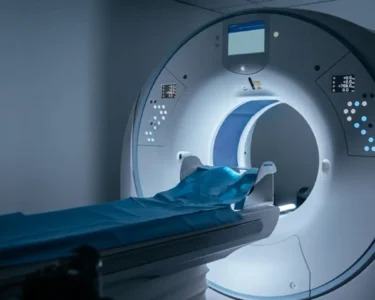
Researchers utilized advanced imaging techniques and lung biopsies to confirm iron accumulation in welders with respiratory symptoms. They also examined biomarkers associated with iron metabolism and inflammatory responses, finding significantly elevated levels in the exposed group. These findings suggest a direct correlation between welding fume exposure, iron overload, and lung pathology.
The implications of this research are substantial for occupational health and safety. Current welding fume exposure limits primarily focus on manganese and other known toxins. The study advocates for a re-evaluation of these limits to specifically address the risks associated with iron oxide nanoparticle exposure. Improved ventilation systems, the use of respiratory protective equipment (RPE) with high-efficiency particulate air (HEPA) filters, and regular lung health monitoring for welders are crucial preventative measures.
Furthermore, the study suggests the need for research into potential therapeutic interventions to mitigate iron overload in the lungs. Chelation therapy, which involves using agents to bind and remove excess iron from the body, could be a promising avenue, but its efficacy and safety in the context of welding-related iron overload require further investigation. Early detection and intervention are key to preventing the progression of lung disease in this vulnerable population. The researchers hope their findings will prompt a more comprehensive approach to protecting the respiratory health of welders worldwide.
This research underscores the importance of understanding the long-term health effects of nanoparticle exposure in various occupational settings. It serves as a reminder that even seemingly inert substances can pose significant risks when inhaled in nanoscale form.
Image Source: Google | Image Credit: Respective Owner