As the world continues to grapple with the long-term effects of Covid-19, individuals are seeking effective strategies to regain their strength and overall well-being. Emerging research suggests that incorporating weightlifting into a post-Covid recovery plan can yield significant benefits, potentially supercharging the healing process. This article delves into the science behind this approach and provides practical guidance on how to safely and effectively integrate weightlifting into a rehabilitation regimen.
Understanding Post-Covid Syndrome
Post-Covid syndrome, also known as long Covid, encompasses a range of persistent symptoms that can linger for weeks or even months after the initial infection. These symptoms can include fatigue, muscle weakness, shortness of breath, cognitive dysfunction, and joint pain. The impact of these symptoms can be debilitating, significantly affecting an individual’s quality of life and ability to perform daily activities. Therefore, targeted interventions are crucial to address these lingering effects and facilitate a full recovery.
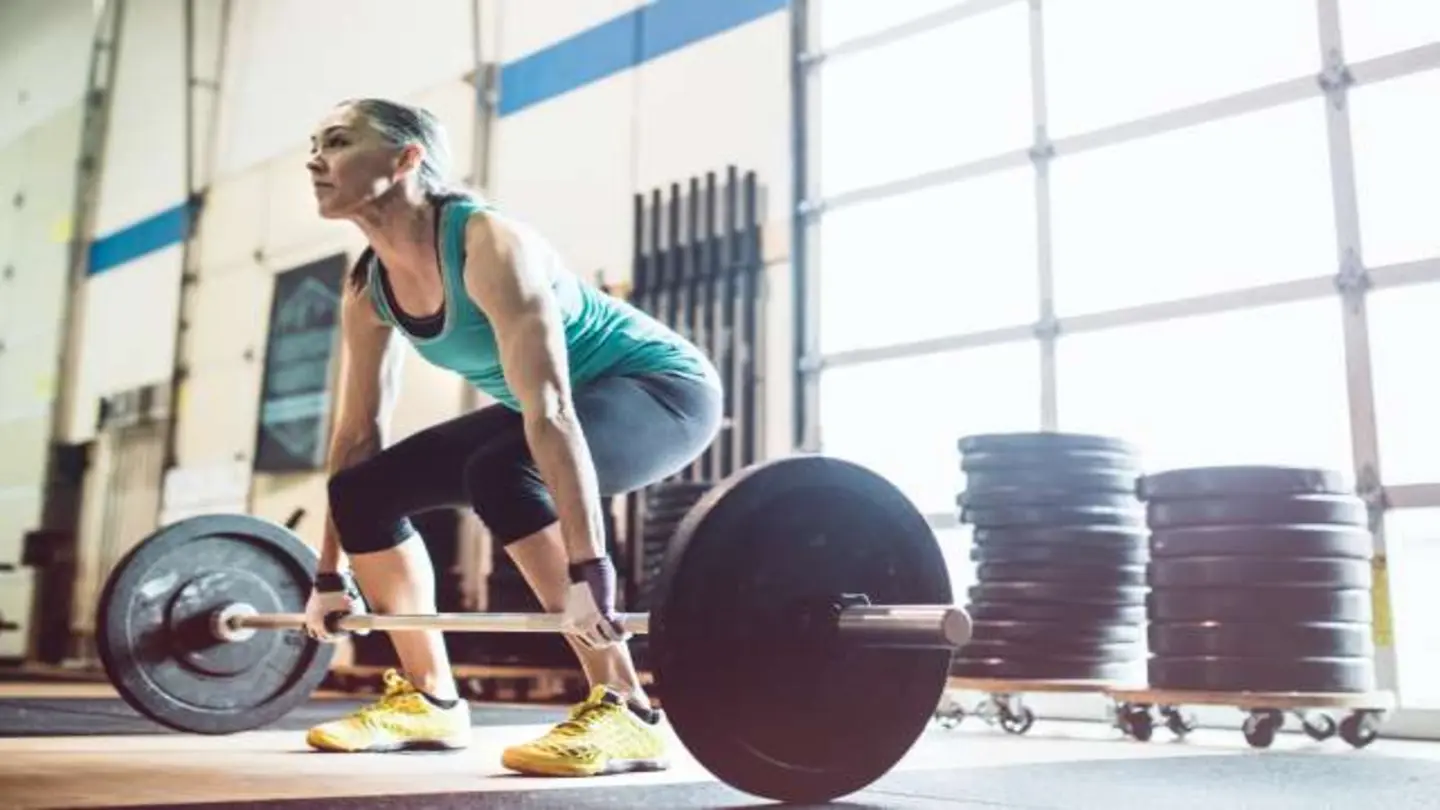
Weightlifting, also known as resistance training, involves using external weights or resistance to challenge muscles, leading to increased strength, muscle mass, and bone density. This form of exercise has been shown to have numerous health benefits, including improved cardiovascular health, enhanced metabolic function, and reduced risk of chronic diseases. Now, evidence suggests that weightlifting can play a vital role in post-Covid recovery.
The Benefits of Weightlifting Post-Covid
One of the primary benefits of weightlifting in post-Covid recovery is its ability to combat muscle weakness and fatigue. Covid-19 can lead to muscle atrophy, the loss of muscle mass and strength due to inactivity or inflammation. Weightlifting stimulates muscle protein synthesis, the process by which the body repairs and builds muscle tissue. By engaging in regular resistance training, individuals can rebuild lost muscle mass, improve strength, and reduce feelings of fatigue.
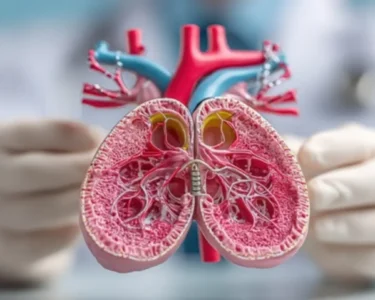
Furthermore, weightlifting can improve cardiovascular function. Covid-19 can sometimes damage the heart and lungs, leading to reduced exercise capacity and shortness of breath. Weightlifting, when performed correctly, can strengthen the heart muscle, improve blood flow, and increase lung capacity, making it easier to engage in daily activities and improve overall cardiovascular health.
Weightlifting can also have positive effects on mental health. The stress of dealing with long Covid symptoms can take a toll on mental well-being, leading to anxiety, depression, and cognitive dysfunction. Exercise, including weightlifting, has been shown to release endorphins, natural mood boosters that can help alleviate stress, improve mood, and enhance cognitive function.
Safe Implementation
Before starting any weightlifting program after Covid-19, it’s essential to consult with a healthcare professional. It is important to start slowly, gradually increasing the weight and intensity as the body adapts. Focus on proper form to prevent injuries, and listen to the body, resting when needed.
Weightlifting can be a powerful tool in post-Covid recovery, helping individuals regain their strength, improve their cardiovascular health, and enhance their mental well-being. With careful planning, gradual progression, and proper guidance, weightlifting can help those recovering from Covid-19 supercharge their recovery and regain a fulfilling life.
Image Source: Google | Image Credit: Respective Owner