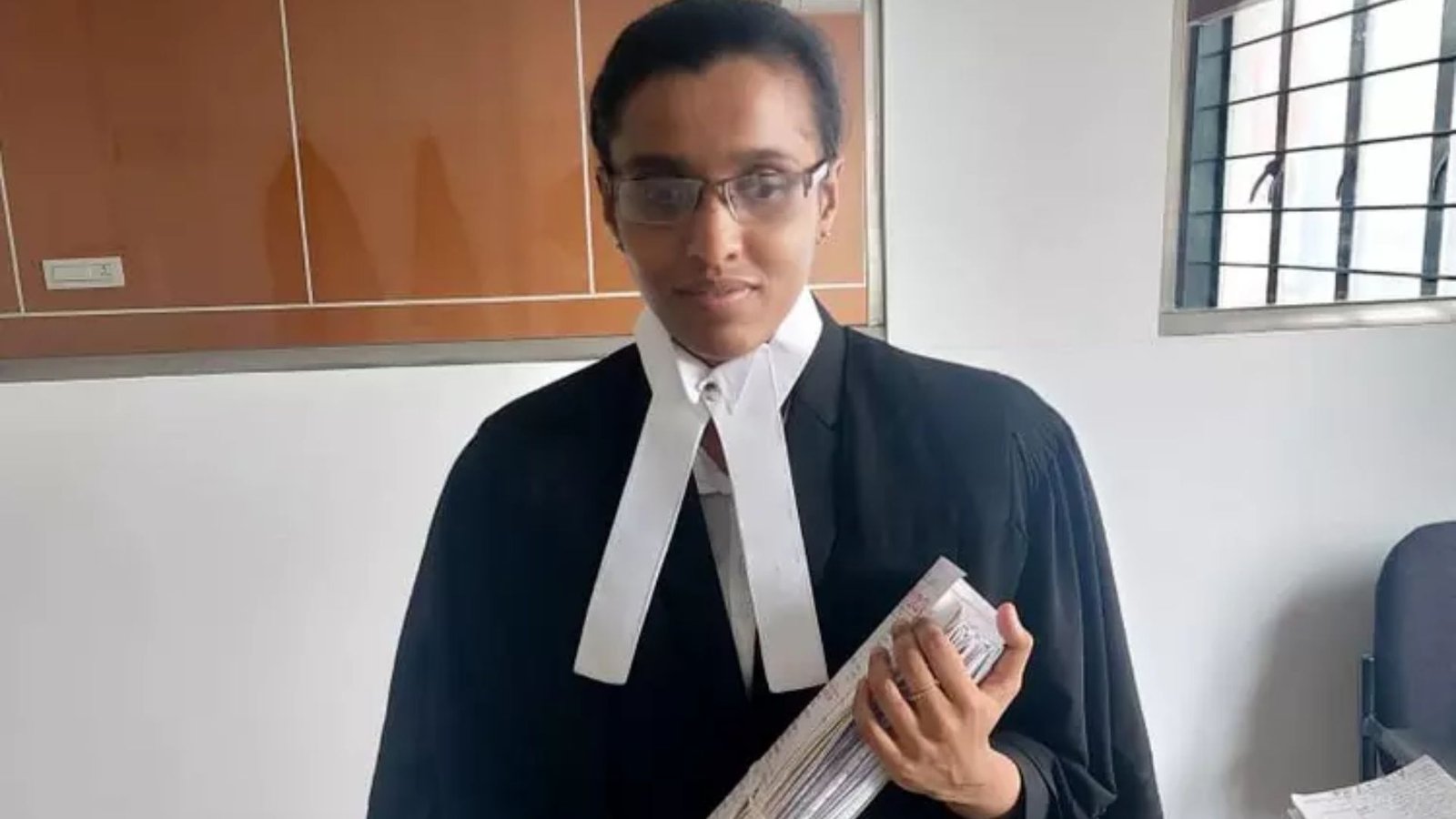
Historic Appointment in Kerala Judiciary
Kerala has made history by appointing its first visually challenged judge, marking a significant milestone in the state’s legal landscape. The appointment, announced by the state government, underscores a proactive step towards inclusivity in the judicial system. This development not only challenges traditional perceptions but also sets a precedent for other states to follow.
The judge, whose identity has not been disclosed yet, brings a unique perspective to the bench. Despite facing visual impairments, she has cleared rigorous legal and administrative exams, demonstrating exceptional merit and dedication. Her qualifications and experience, spanning over two decades in legal practice, underscore her capability to contribute meaningfully to court proceedings.
Significance of the Move
This appointment aligns with India’s broader efforts to ensure equal opportunities for individuals with disabilities. The judiciary, often seen as a guardian of justice, is now reflecting societal inclusivity. Legal experts praise the decision, noting that it could inspire marginalized communities to pursue careers in law. The judge’s background in special education further enhances her understanding of the challenges faced by persons with disabilities.
Delhi High Court judges and legal luminaries were involved in the selection process, ensuring the candidate meets stringent criteria. Her appointment was facilitated through a specialized recruitment cell established to identify talent from diverse backgrounds. This initiative is part of Kerala’s commitment to fostering diversity in public service.
Reactions and Expectations
The legal community has reacted positively to the news. Advocacy groups for persons with disabilities have lauded the decision as a transformative step. However, some critics argue that systemic barriers within the judiciary must be addressed to sustain such initiatives. They emphasize the need for accommodations, such as assistive technologies in courtrooms, to ensure the judge’s effective participation.
Meanwhile, the public has expressed mixed sentiments. While many view the appointment as inspirational, others question the practical challenges she might face. Proponents counter that her success story could dismantle stereotypes about disability and competence. The judiciary has assured stakeholders that all necessary provisions will be in place to support her role.
This appointment is not just a personal achievement but a collective milestone for India. It exemplifies how incremental steps toward inclusivity can reshape societal norms. As the judge assumes her responsibilities, her performance will be closely watched, not only as a testament to her capabilities but also as a reflection of the state’s commitment to equity.
Image Source: Google | Image Credit: Respective Owner