Washington’s renewed interest in Venezuelan oil extends far beyond simply alleviating global crude oil price pressures, according to analysts. While the Biden administration has publicly cited the need to stabilize energy markets, particularly in light of the war in Ukraine and subsequent sanctions on Russia, the strategic implications of securing Venezuelan supplies are considerably more complex and center on geopolitical maneuvering and a desire to counter Chinese influence in Latin America.
The easing of sanctions on Venezuela, allowing oil companies to resume operations, is being viewed as a calculated risk. Venezuela possesses the world’s largest proven oil reserves, significantly exceeding those of Saudi Arabia. However, years of mismanagement, underinvestment, and US sanctions have crippled its production capacity. The US isn’t necessarily expecting an immediate surge in Venezuelan output, but rather aims to lay the groundwork for future access as Venezuela’s infrastructure potentially recovers.
Geopolitical Stakes
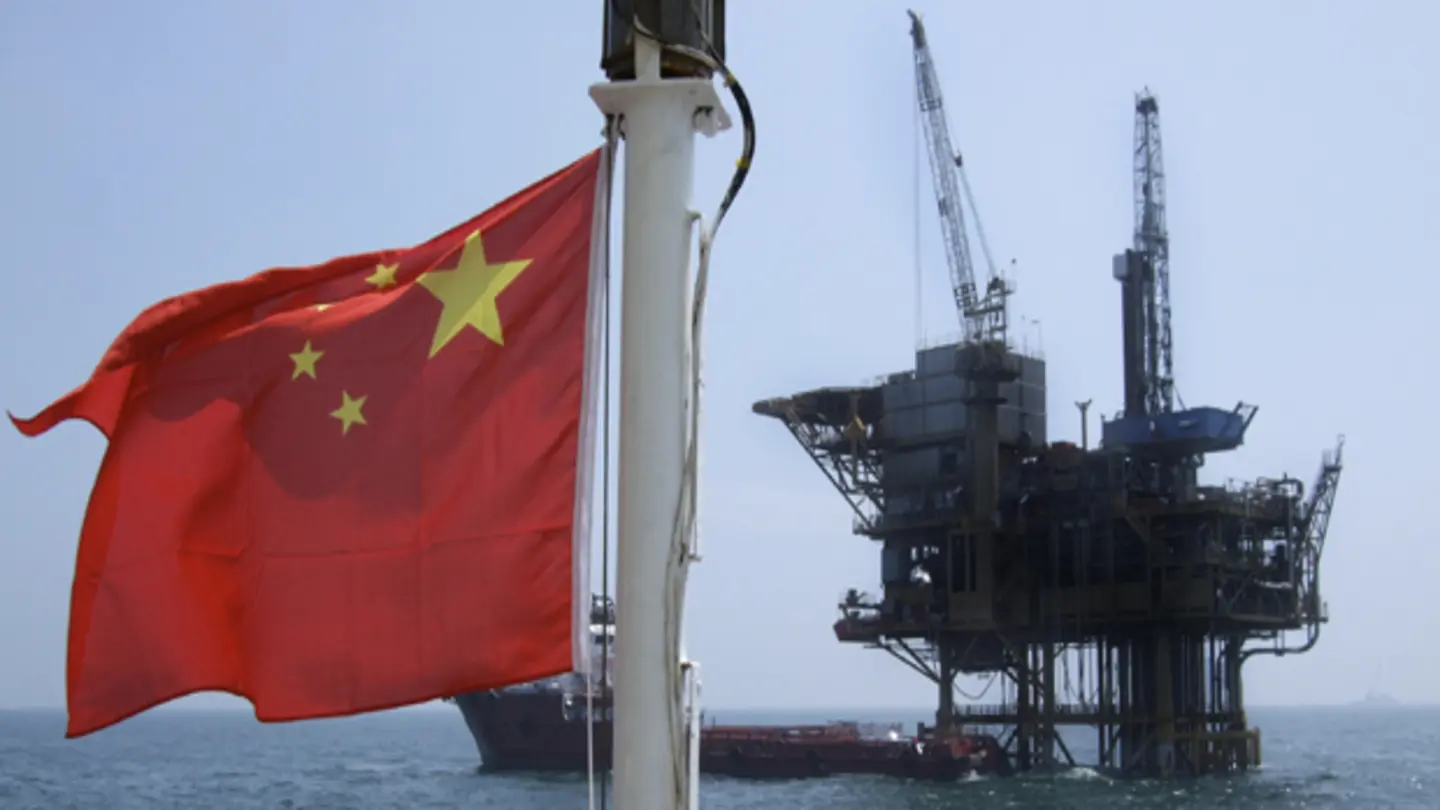
A key driver behind the US approach is China’s growing economic and political foothold in Venezuela. China has become a major creditor to the Maduro regime, providing crucial financial support in exchange for oil shipments. By engaging with Venezuela, the US hopes to offer an alternative to Chinese investment and reduce Beijing’s control over a vital strategic resource. This is part of a broader US strategy to limit China’s access to resources and markets globally.
Furthermore, increased Venezuelan oil production could help diversify US energy sources and reduce reliance on potentially unstable regions. While the US remains a significant oil producer itself, securing access to additional supplies provides a buffer against unforeseen disruptions. The current administration is walking a tightrope, attempting to balance energy security concerns with its commitment to human rights and democratic values in Venezuela.
The resumption of oil deals is contingent on progress in political negotiations between the Maduro government and the opposition. The US is pushing for free and fair elections in Venezuela, hoping to facilitate a transition to a more democratic government. The oil concessions are being presented as an incentive for Maduro to engage in meaningful dialogue and concessions.
However, skepticism remains regarding the long-term viability of increased Venezuelan oil production. The country’s oil infrastructure is in dire need of repair, and attracting sufficient foreign investment will be challenging given the political risks. Moreover, the US sanctions regime, even with the current easing, could be reimposed if the Maduro government fails to meet the agreed-upon conditions. The situation is further complicated by the potential for secondary sanctions on companies that continue to do business with sanctioned entities within the Venezuelan oil sector.
Ultimately, the US strategy towards Venezuelan oil appears to be a multifaceted approach driven by a combination of economic, political, and strategic considerations. While lower oil prices are a welcome outcome, they are likely a secondary benefit compared to the broader goal of countering Chinese influence and bolstering US energy security in the Western Hemisphere. The success of this strategy hinges on Venezuela’s ability to rebuild its oil industry and the Maduro government’s willingness to negotiate a political transition.
Image Source: Google | Image Credit: Respective Owner