A Venezuelan-linked oil tanker has been seized by U.S. forces in international waters, prompting an immediate and forceful condemnation from the Venezuelan government, which decried the interdiction as an act of “aggression” and a violation of international law. Maritime security analysts and regional observers are scrutinizing the legal justification cited by Washington for the operation.
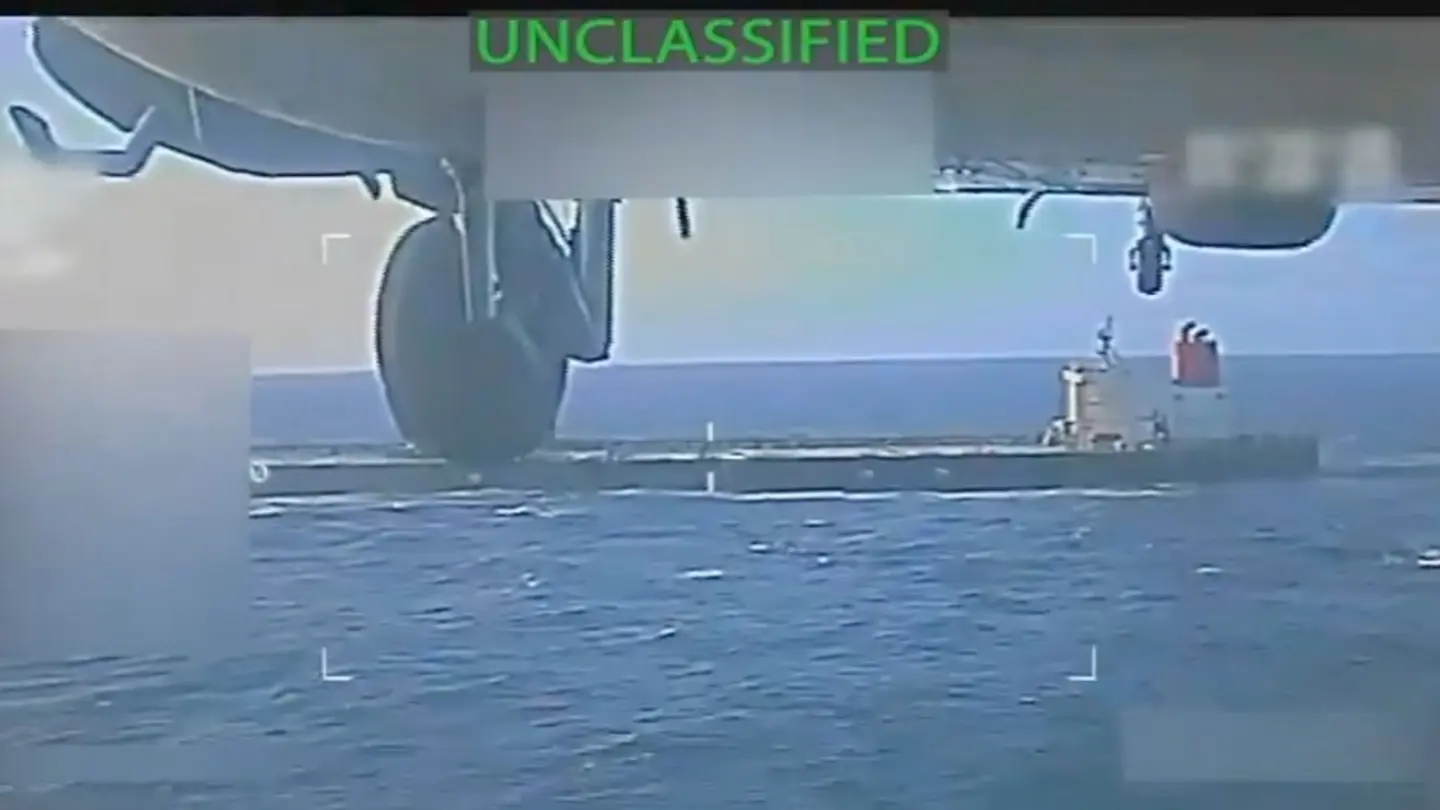
According to initial reports, the vessel was intercepted by U.S. personnel, who subsequently detained the crew. Video footage of the incident shows armed personnel boarding the ship and carrying out what has been described as an “apprehension.” The operation, characterized by swift and coordinated maneuvers, underscores heightened tensions surrounding Venezuela’s oil sector.
Venezuela has sharply criticized the seizure, framing it as an illegal overreach and part of a broader campaign of economic and diplomatic pressure. Caracas asserts that the tanker was operating lawfully and that U.S. actions constitute piracy. The Venezuelan state oil company has been under extensive U.S. sanctions for several years, and this latest incident signals a significant escalation in maritime enforcement related to those measures.
For its part, the United States has indicated that the seizure is linked to sanctions enforcement and alleged illicit activities. While specific legal grounds remain under review, it is presumed that authorities are acting under powers granted by sanctions regimes targeting Venezuela’s oil industry. Such operations typically rely on claims of circumventing sanctions or engaging in prohibited trade, including ship-to-ship transfers aimed at obscuring the origin of crude.
International Law and Regional Implications
The legality of intercepting vessels on the high seas hinges on intricate principles of jurisdiction and international law. Nations often assert authority under counter-proliferation or sanctions frameworks, a practice that has become increasingly contentious. The seizure raises critical questions about the reach of U.S. sanctions and the rights of sovereign nations in international waters, potentially setting a precedent for future enforcement actions.
Regional actors across Latin America are closely monitoring developments, wary of the broader implications for maritime security and international commerce. The incident is likely to exacerbate already strained relations between Venezuela and the United States, impacting diplomatic efforts and regional stability. Neighboring countries, reliant on secure shipping lanes, may express concern over the potential for escalated maritime disputes.
Venezuela is expected to pursue legal and diplomatic channels to challenge the seizure and seek the release of the vessel and its crew. International tribunals and organizations could become involved as Caracas seeks to frame the action as a breach of maritime sovereignty. Observers note that the case will test the resilience of international frameworks governing sanctions and high-seas law enforcement.
Image Source: Google | Image Credit: Respective Owner