A new study provides a detailed quantitative description and parametric analysis of Valles Marineris, the vast canyon system on Mars. Published in the ESS Open Archive, the research delves into the geological characteristics of this immense feature, offering fresh insights into its formation and evolution. The study utilizes a comprehensive dataset to characterize the canyon’s dimensions, slopes, and structural features, moving beyond previous qualitative observations.
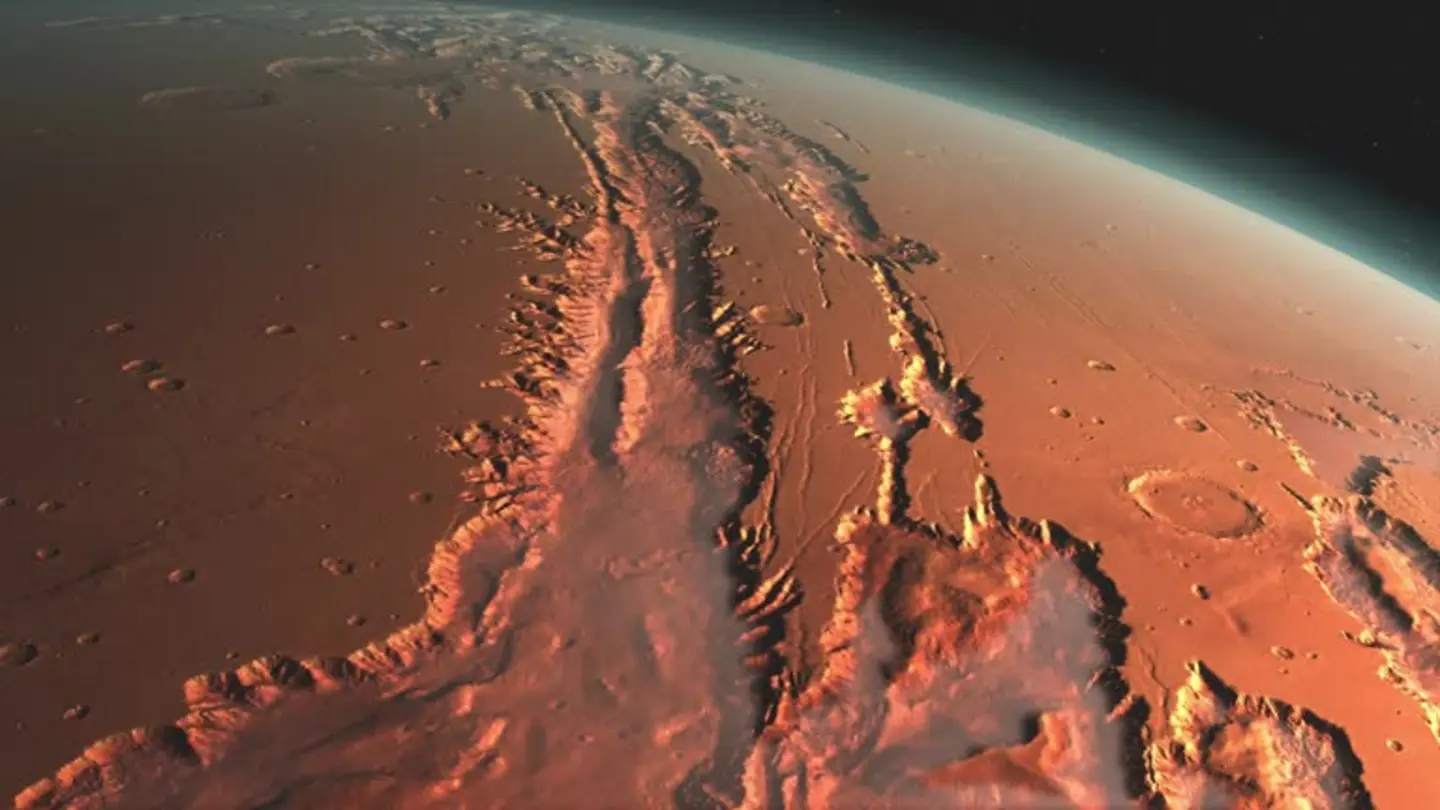
Valles Marineris, often described as the “Grand Canyon of Mars,” is one of the largest canyons in the solar system. Stretching over 4,000 kilometers long, 200 kilometers wide, and up to 7 kilometers deep, its scale dwarfs Earth’s Grand Canyon. Understanding its origins has been a long-standing challenge for planetary scientists, with theories ranging from tectonic activity to erosion by ancient rivers or glaciers.
The research employs advanced data analysis techniques to quantify various parameters of the canyon system. These include detailed measurements of the canyon walls, floor, and tributary channels. By analyzing the relationships between these parameters, the researchers aim to constrain the processes responsible for the canyon’s formation. The study focuses on identifying patterns and correlations that can differentiate between competing hypotheses.
Methodology and Findings
The team leveraged high-resolution imagery and topographic data obtained from Mars orbiters. This data was processed to create detailed digital elevation models and maps of the Valles Marineris region. Parametric analysis involved calculating statistical measures such as fractal dimensions, slope distributions, and aspect ratios. These metrics provide a quantitative framework for comparing different sections of the canyon and identifying areas of unique geological significance.
Initial findings suggest a complex interplay of tectonic forces and erosional processes in shaping Valles Marineris. The study highlights evidence of large-scale faulting and fracturing, indicating that the canyon’s formation was significantly influenced by the planet’s tectonic history. However, the presence of streamlined features and sedimentary deposits suggests that erosion, potentially by ancient water flows or landslides, also played a crucial role.
The parametric analysis reveals variations in canyon morphology along its length. Some sections exhibit characteristics consistent with tectonic rifting, while others show more pronounced evidence of erosion. This variability suggests that the canyon’s formation was not a single, uniform event, but rather a series of processes that occurred over an extended period. The research also explores the potential role of subsurface processes, such as the movement of fluids, in modifying the canyon’s structure.
This detailed quantitative analysis provides a valuable foundation for future research on Valles Marineris. By establishing a robust dataset and analytical framework, the study enables more targeted investigations into specific aspects of the canyon’s formation and evolution. Further research will focus on integrating these findings with geological models and exploring the implications for understanding the broader geological history of Mars. The study’s open archive publication ensures accessibility and encourages collaboration within the scientific community.
Image Source: Google | Image Credit: Respective Owner