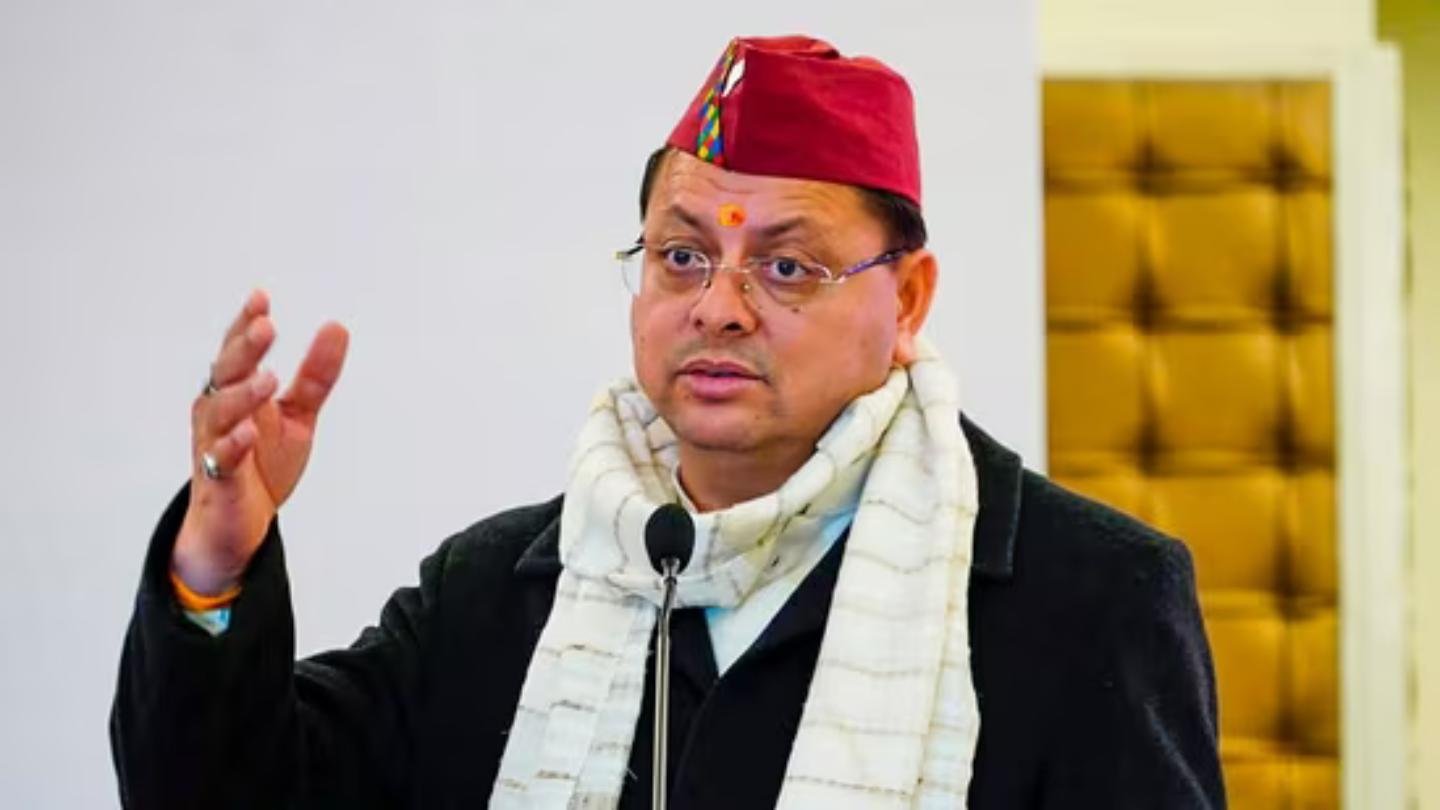
The Uttarakhand government has approved a landmark proposal to extend minority status in education beyond Muslim-run institutions. The Uttarakhand Minority Educational Institutions Bill, 2025, cleared by the state cabinet, will be tabled during the monsoon assembly session in Gairsain starting Tuesday.
So far, only Muslim institutions in the state enjoyed minority recognition. If passed, the law will make Uttarakhand the first state in India to formally grant the same status to Sikh, Jain, Christian, Buddhist, and Parsi institutions as well.
Key Provisions of the Bill
A central feature of the legislation is the creation of the Uttarakhand State Minority Education Authority, which will act as the nodal body to:
- Review applications from institutions.
- Grant minority recognition.
- Monitor compliance with academic and governance standards set by the Uttarakhand Board of School Education.
According to officials, the authority will ensure fairness in student evaluation, transparency in administration, and accountability in educational practices.
The bill also requires minority institutions to register under the Society Act, Trust Act, or Company Act, with property and accounts maintained in the institution’s name. This aims to bring uniformity to a process that was previously fragmented.
Raising Standards and Accountability
Officials said the law balances autonomy with oversight, allowing minority institutions to retain their independence while being subject to regulations that promote accountability and quality education.
“Once enacted, Uttarakhand will become the first state to legislate not only on granting minority status but also on ensuring academic excellence, accountability, and the protection of constitutional rights,” a senior official said.
The bill further states that the Uttarakhand Madrasa Education Board Act, 2016, along with the Non-Government Arabic and Persian Madrasa Recognition Rules, 2019, will be repealed effective July 1, 2026.
Impact on Students and Communities
The move is expected to strengthen recognition procedures, improve transparency, and raise the quality of education in minority-run schools and colleges. Officials say this will ultimately benefit students from these communities while aligning the state’s framework with constitutional protections.
Image Source: Google | Image Credit: Respective Owner