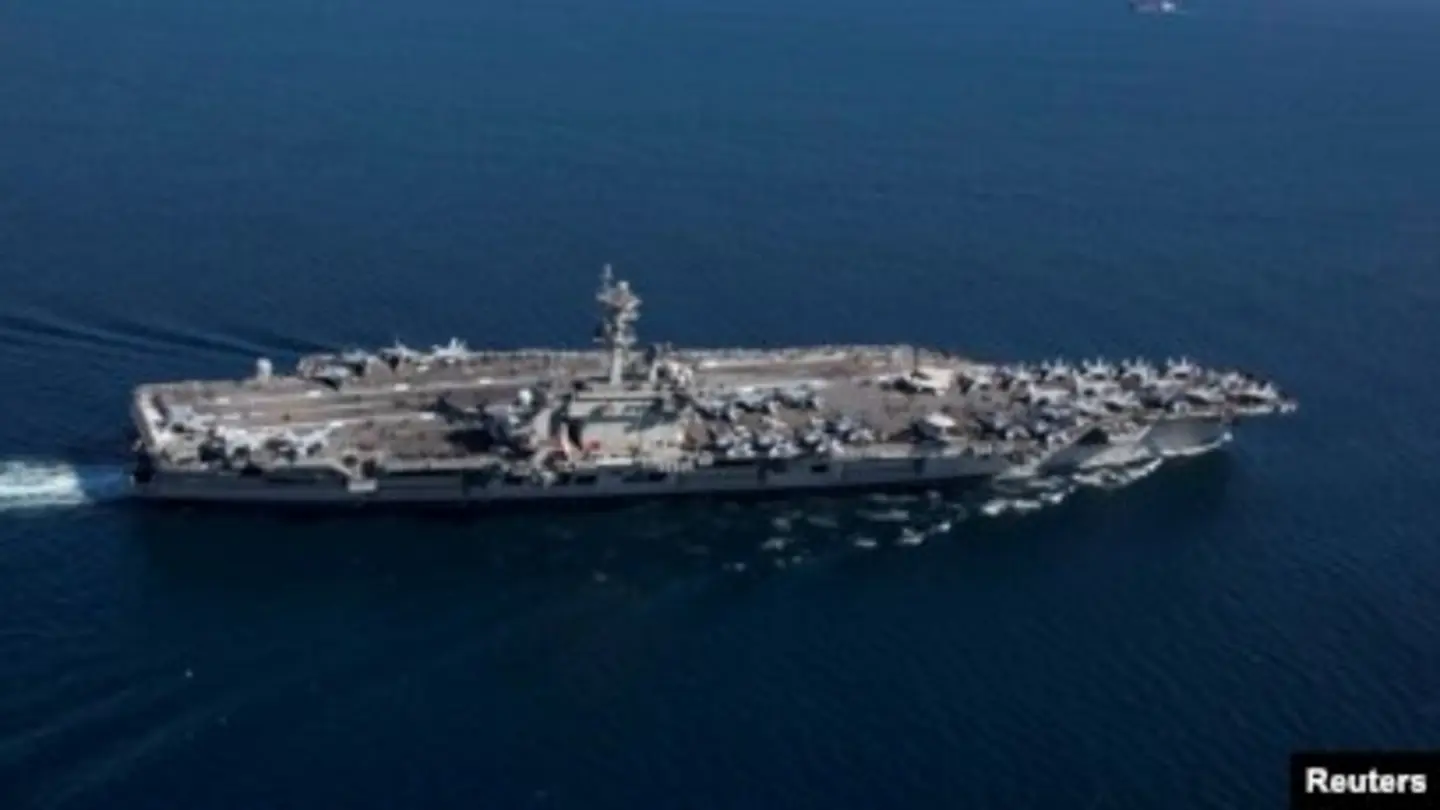
The U.S. Navy’s aircraft carrier USS Abraham Lincoln has reportedly switched off its Automatic Identification System (AIS) transponders while transiting through the Gulf of Aden and moving towards the Arabian Sea, a region near Iran. This action, often referred to as activating “ghost mode,” has sparked speculation and concern regarding potential heightened tensions in the region. While the Navy hasn’t explicitly stated the reason for disabling the transponders, it’s a common tactic employed to obscure a vessel’s movements, particularly in sensitive geopolitical areas.
AIS transponders are typically used to broadcast a ship’s identity, position, course, and speed, aiding in collision avoidance and maritime traffic management. Turning them off doesn’t render a ship invisible – it can still be tracked by radar and other surveillance systems – but it significantly complicates the process and reduces predictability. Experts suggest this move could be a precautionary measure ahead of potential confrontations or to maintain operational security.
The timing of this event is particularly noteworthy given the ongoing complexities surrounding Iran’s nuclear program and its regional activities. Recent escalations, including increased Iranian support for proxy groups in Yemen, Syria, and Lebanon, have contributed to a volatile security landscape. The U.S. Navy maintains a consistent presence in the region to ensure freedom of navigation and deter aggressive actions, but the deliberate obscuring of the Lincoln’s movements adds a layer of uncertainty.
Strategic Implications
Disabling transponders is not necessarily indicative of an imminent attack, but it signals a heightened state of alert. It allows the carrier strike group greater flexibility in its operations and makes it more difficult for potential adversaries to anticipate its actions. This is especially relevant considering Iran’s own naval capabilities and its history of employing asymmetric warfare tactics. The move could be a response to Iranian naval exercises or perceived threats to U.S. assets.
Some analysts believe the U.S. is attempting to send a subtle message to Iran, demonstrating its readiness and resolve without resorting to overtly provocative actions. Others suggest it’s a more practical measure to protect the carrier from potential surveillance or targeting by Iranian forces. The U.S. Navy routinely adjusts its operational procedures based on evolving threat assessments.
The USS Abraham Lincoln is currently leading a carrier strike group that includes several warships and aircraft. Its presence in the region is a key component of the U.S. military’s efforts to maintain stability and counter Iranian influence. The decision to go “dark” underscores the delicate balance between demonstrating strength and avoiding escalation. The situation is being closely monitored by international observers, who are concerned about the potential for miscalculation or unintended consequences. Further analysis will be needed to determine the long-term implications of this tactical shift and its impact on regional security. The lack of transparency surrounding the decision is also fueling speculation and calls for greater clarity from the U.S. Navy.
Ultimately, the activation of “ghost mode” by the USS Abraham Lincoln serves as a stark reminder of the persistent tensions in the Middle East and the ongoing need for vigilance and diplomatic efforts to prevent further conflict.
Image Source: Google | Image Credit: Respective Owner