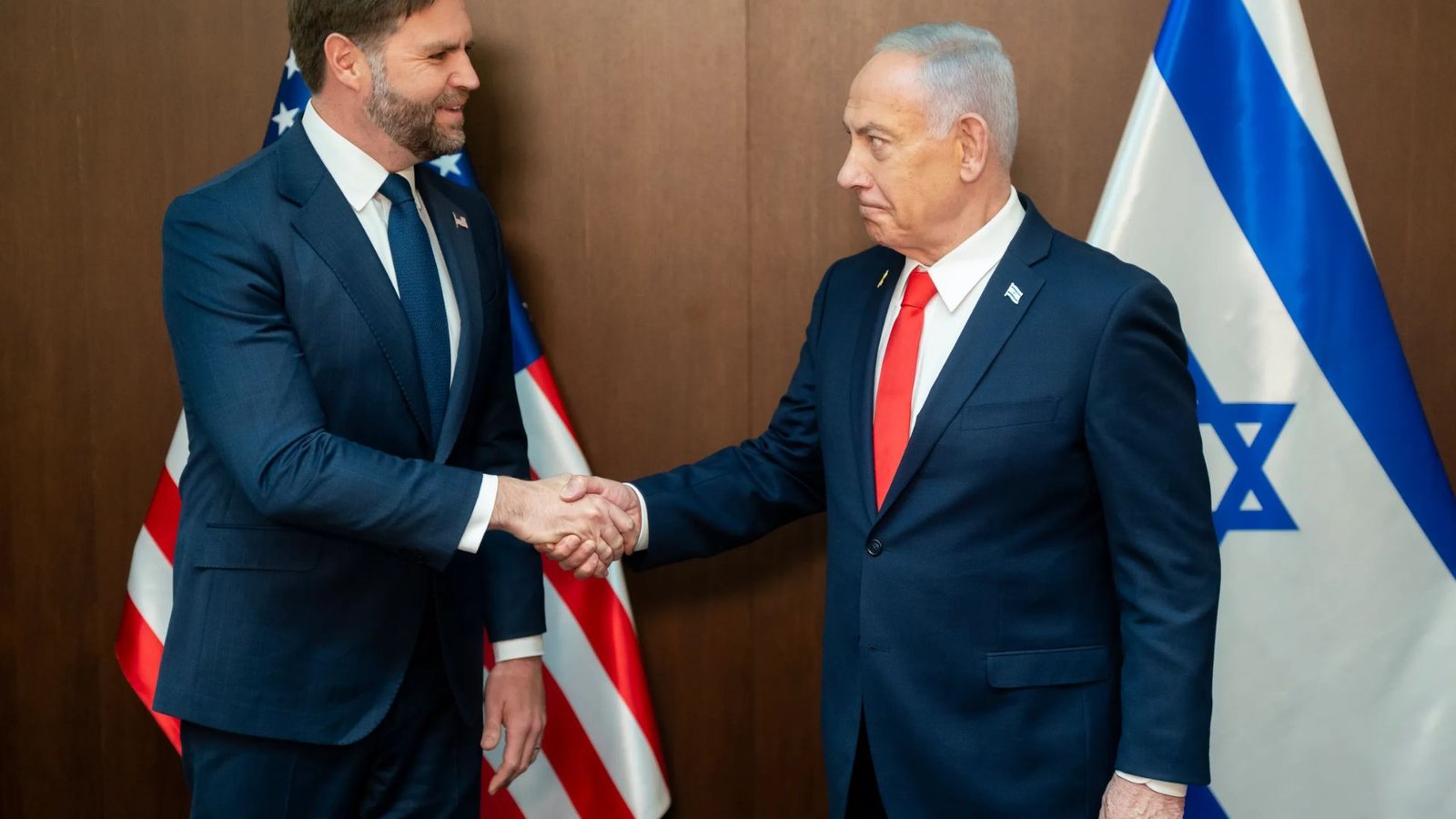
A top US official has cautioned Israeli Prime Minister Benjamin Netanyahu regarding the ongoing negotiations for a ceasefire agreement in Gaza. The official emphasized that Netanyahu is navigating a precarious situation as he seeks to balance international pressure with domestic political considerations. The United States has been actively involved in mediating discussions between Israel and Hamas, aiming to secure a temporary cessation of hostilities and facilitate the release of hostages held by the militant group.
Challenges in Reaching a Deal
The negotiations have been fraught with challenges, primarily due to the divergent demands of both sides. Hamas insists on a permanent end to the conflict and the withdrawal of Israeli forces from Gaza, while Israel maintains its commitment to dismantling Hamas’s military capabilities and preventing future attacks. The US official acknowledged the complexities of the situation, noting that a successful agreement would require both parties to make significant concessions.
The Biden administration has repeatedly urged Netanyahu to prioritize a ceasefire, citing the dire humanitarian situation in Gaza and the potential for regional escalation. However, Netanyahu faces mounting pressure from within his own coalition government, with right-wing factions opposing any deal that could be perceived as a victory for Hamas. This internal political dynamic has complicated Netanyahu’s ability to maneuver and reach a compromise.
US Role in Mediation
The United States has played a crucial role in facilitating communication between Israel and Hamas, leveraging its relationships with regional partners such as Egypt and Qatar. These countries have served as intermediaries, conveying messages between the two sides and helping to bridge the gaps in their positions. The US official stressed that the United States remains committed to working with all parties to achieve a sustainable ceasefire and pave the way for a longer-term resolution of the conflict.
Despite the challenges, there have been some signs of progress in recent days. Both Israel and Hamas have reportedly shown a willingness to consider a phased approach, with an initial pause in fighting followed by further negotiations on more comprehensive issues. However, significant obstacles remain, and the outcome of the negotiations remains uncertain. The US official reiterated the importance of both sides approaching the talks with flexibility and a genuine desire to reach an agreement.
The international community is closely watching the developments in Gaza, with many countries expressing concern about the escalating violence and its impact on civilians. The United Nations has repeatedly called for an immediate ceasefire and increased humanitarian access to the region. The United States has also emphasized the need to address the underlying causes of the conflict, including the political and economic grievances that fuel the cycle of violence.
Future Prospects
Ultimately, the success of the ceasefire negotiations will depend on the willingness of both Israel and Hamas to compromise and prioritize the well-being of their people. The US official expressed hope that a deal can be reached in the coming days, but cautioned that the path ahead remains difficult and uncertain. The United States remains committed to working towards a peaceful and sustainable resolution of the Israeli-Palestinian conflict, but acknowledged that this will require a concerted effort from all parties involved.
Image Source: Google | Image Credit: Respective Owner